

Substance use can affect a person’s physical health, emotions, and daily life. Among different substance-related concerns, cocaine addiction is a serious condition that can create long-term challenges without proper support. Cocaine is a powerful stimulant that affects the brain’s reward system and can lead to repeated use despite harmful consequences.
Therefore, understanding how cocaine affects the body and mind is an important step toward awareness and recovery. Many people may not recognize the early signs of addiction because the changes can happen gradually. Moreover, learning about causes, symptoms, and treatment options can help individuals and families respond with better knowledge.
Cocaine addiction does not only affect the person using the substance. Instead, it can influence relationships, work, finances, and overall quality of life. However, with the right support and treatment approach, recovery is possible.
Understanding Cocaine Addiction and How It Develops
A clear understanding of cocaine addiction begins with knowing how the substance affects the brain. Cocaine increases levels of dopamine, a chemical linked to pleasure and reward. As a result, users may experience intense feelings of energy, confidence, and excitement.
However, these effects are temporary. Over time, the brain may start depending on cocaine to feel normal or experience pleasure. Therefore, a person may continue using the drug even when they understand the negative effects.
Repeated cocaine use can change the brain’s natural reward system. Additionally, these changes may increase cravings and make it harder to stop without help. Because of this, cocaine addiction is considered a complex health condition rather than simply a matter of choice.
Several factors can influence the development of addiction. Genetics, mental health conditions, environment, stress, and personal experiences may all contribute. Furthermore, frequent use and higher amounts of cocaine can increase the risk of dependence.
Common Causes Behind Cocaine Addiction
Many different factors can contribute to cocaine addiction. While every person’s experience is different, certain patterns are often connected with substance use problems.
One major factor is the effect cocaine has on the brain. Since the drug creates strong feelings of reward, some people may continue using it to repeat those experiences. Over time, this pattern can become difficult to control.
Additionally, emotional challenges may play a role. Some individuals use cocaine as a way to cope with stress, anxiety, trauma, or difficult emotions. However, using substances for emotional relief can create a cycle that becomes harder to break.
Social and environmental influences can also affect substance use. For example, exposure to drug use, peer pressure, or stressful surroundings may increase the risk. Moreover, limited support systems can make recovery more challenging.
Mental health and substance use are often connected. Therefore, addressing both areas is important during recovery. Treating only one concern may leave other challenges unresolved.
Recognizing Signs and Symptoms of Cocaine Addiction
Identifying the signs of cocaine addiction can help people seek support earlier. Although symptoms may vary, some common changes can appear in behavior, emotions, and physical health.
A person struggling with cocaine dependence may experience strong cravings and difficulty controlling use. Additionally, they may spend significant time obtaining, using, or recovering from cocaine.
Changes in mood are also common. A person may become more anxious, restless, irritable, or emotionally unstable. Furthermore, sudden changes in friendships, responsibilities, or daily routines may indicate a possible problem.
Physical signs can include increased energy, reduced appetite, sleep problems, and changes in appearance. However, these signs alone do not always confirm addiction. Therefore, professional evaluation is important for accurate understanding.
Another warning sign is continuing cocaine use despite negative effects. For example, problems at work, damaged relationships, or health concerns may continue while the person struggles to stop.
Health Effects Associated With Cocaine Addiction
Long-term cocaine addiction can affect many areas of health. Because cocaine stimulates the nervous system, it places stress on the body and can create serious complications.
One major concern is heart health. Cocaine can increase heart rate and blood pressure, which may raise the risk of cardiovascular problems. Additionally, repeated use may contribute to dangerous changes in circulation.
The brain can also be affected. Since cocaine changes brain chemistry, long-term use may influence decision-making, emotions, and impulse control. Therefore, some people may experience difficulty managing daily challenges.
Mental health effects are also important to consider. Cocaine use may be linked with anxiety, mood changes, paranoia, or emotional distress. Moreover, withdrawal symptoms can make recovery difficult without proper support.
Physical health is not the only concern. Addiction can affect family relationships, financial stability, and personal goals. However, treatment and support can help people rebuild healthier routines.
Treatment Options and Recovery From Cocaine Addiction
Recovery from cocaine addiction usually requires a personalized approach. Since addiction affects the brain and behavior, treatment often focuses on both physical and emotional needs.
Behavioral therapies are commonly used to help people understand triggers and develop healthier coping strategies. Additionally, counseling can support changes in thoughts and behaviors connected with substance use.
Support groups can also provide encouragement and connection. Many people benefit from sharing experiences with others who understand similar challenges. Furthermore, family support can improve motivation during recovery.
A structured treatment program may include medical guidance, therapy, and ongoing support. Although recovery can take time, consistent effort and professional help can improve outcomes.
Lifestyle changes are also valuable. Healthy routines, stress management, exercise, and positive relationships can support long-term recovery. Therefore, building a stable environment is an important part of maintaining progress.
How Support Systems Help Overcome Cocaine Addiction
A strong support system can make a major difference during recovery. Friends, family members, counselors, and healthcare professionals can provide encouragement and guidance.
Many people struggling with addiction may feel isolated or overwhelmed. However, reaching out for support can create opportunities for healing and change. Moreover, having trusted people involved can help individuals stay focused on recovery goals.
Education is also important for families. Understanding addiction as a health condition can help loved ones provide support without increasing shame or stress.
Additionally, ongoing care can help prevent setbacks. Recovery is a continuous process, and regular support can help people manage challenges as they appear.
Importance of Awareness About Cocaine Addiction
Awareness plays an important role in reducing the impact of substance use problems. Understanding cocaine addiction helps individuals recognize warning signs and seek help earlier.
Many people delay treatment because of fear, misunderstanding, or stigma. However, learning accurate information can encourage more open conversations about addiction and recovery.
Prevention also begins with education. When people understand the risks of cocaine use, they can make more informed decisions. Furthermore, communities with strong support resources can help individuals access care sooner.
Recovery requires patience, commitment, and proper guidance. Therefore, spreading awareness can help more people find the support they need.
Creating a Healthier Future after Cocaine Addiction
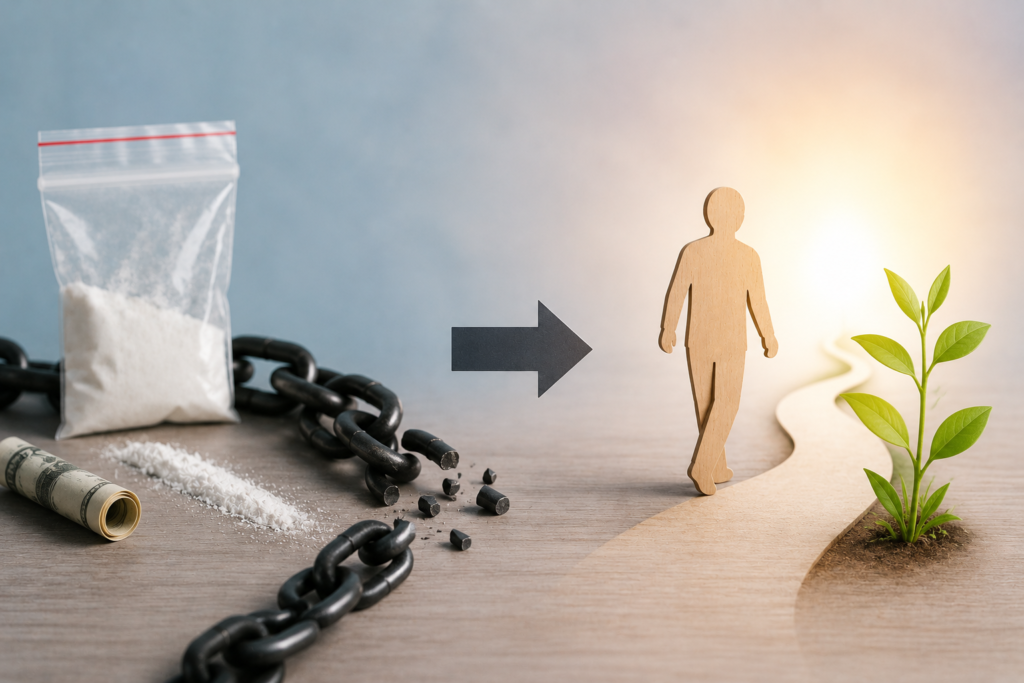
Overcoming cocaine addiction is a journey that involves personal growth, support, and healthier choices. Although addiction can create serious challenges, recovery can lead to meaningful improvements in life.
Understanding the causes, symptoms, and treatment options allows people to take informed steps toward change. Therefore, early awareness and professional support are valuable parts of the recovery process.
With the right resources, individuals can develop healthier habits, repair relationships, and improve their overall well-being. Recovery is possible with consistent effort, support, and a commitment to positive change.