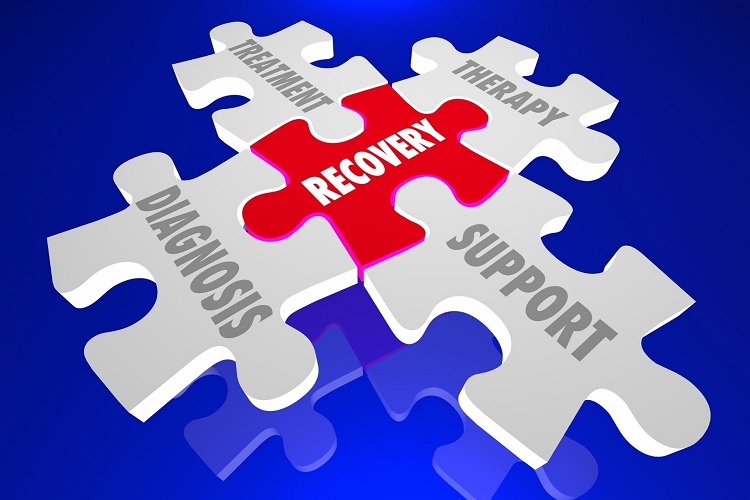

Recognizing when professional help is needed can be one of the most important steps toward recovery. A substance abuse treatment center provides structured care, medical support, and evidence-based therapies that help individuals overcome addiction while improving their overall well-being. Although many people try to stop using drugs or alcohol on their own, long-term recovery often becomes more successful with professional guidance.
Moreover, addiction usually develops gradually. Therefore, many people may not realize how much substance use has affected their health, relationships, work, or emotional well-being until serious problems begin to appear. Understanding the warning signs can help individuals seek treatment before addiction becomes even more difficult to manage.
Recovery begins with awareness. Fortunately, recognizing these early signs allows people to receive timely care and build healthier futures.
Why a Substance Abuse Treatment Center Can Make a Difference
Choosing a substance abuse treatment center offers individuals access to experienced healthcare professionals who understand the physical, emotional, and behavioral challenges of addiction. Instead of focusing only on stopping substance use, treatment programs address the underlying causes that contribute to addiction.
Healthcare providers begin with comprehensive evaluations that assess medical history, mental health, substance use patterns, and personal recovery goals. Consequently, each treatment plan becomes personalized to meet individual needs.
Additionally, treatment centers provide structured environments that reduce exposure to everyday triggers. This supportive setting allows individuals to concentrate fully on recovery while developing healthier habits. Professional care also improves long-term outcomes through counseling, medical supervision, relapse prevention planning, and ongoing support.

Sign 1: You Cannot Control Your Substance Use
One of the clearest signs that someone may benefit from a substance abuse treatment center is losing control over substance use. Many individuals begin using alcohol or drugs occasionally, but addiction often develops as use becomes more frequent.
A person may repeatedly promise to stop but continue using despite good intentions. Additionally, larger amounts of substances may be needed over time to achieve the same effects, indicating increased tolerance. Failed attempts to quit often create frustration and emotional distress. Therefore, professional treatment becomes valuable because it provides structured support that many people cannot achieve alone.
Recognizing this loss of control early increases the likelihood of successful recovery.
Sign 2: Daily Responsibilities Begin to Suffer
Another important reason to consider a substance abuse treatment center is when addiction begins interfering with everyday responsibilities. Substance use often affects work performance, school attendance, family responsibilities, and financial stability.
Individuals may miss important commitments, struggle with concentration, or lose motivation to complete routine tasks. Moreover, relationships with family members, friends, and coworkers frequently become strained as addiction progresses.
Neglecting personal responsibilities often signals that substance use has become more than an occasional habit. Therefore, seeking treatment before these problems continue growing can prevent additional life disruptions.
Professional rehabilitation helps individuals rebuild healthy routines while restoring stability to daily life.
Sign 3: Physical and Mental Health Continue to Decline
A substance abuse treatment center may also become necessary when substance use begins affecting physical or emotional health. Addiction can influence nearly every body system while contributing to serious medical complications.
Physical symptoms may include sleep problems, weight changes, chronic fatigue, poor nutrition, or declining personal hygiene. Additionally, frequent illnesses or injuries may become more common.
Mental health also deserves attention. Many individuals experience anxiety, depression, mood swings, irritability, or difficulty managing emotions while struggling with addiction.
Furthermore, substance use and mental health conditions often occur together. Therefore, integrated treatment that addresses both concerns simultaneously provides more comprehensive care.
Sign 4: Withdrawal Symptoms Occur Without Substances
Withdrawal symptoms often indicate physical dependence, making a substance abuse treatment center an important option for safe recovery. When the body becomes accustomed to regular substance use, stopping suddenly may cause uncomfortable or even dangerous symptoms.
Depending on the substance involved, withdrawal may include nausea, sweating, shaking, anxiety, insomnia, muscle pain, or intense cravings. Consequently, medical supervision may become necessary during detoxification.
Attempting withdrawal without professional support may increase health risks for some individuals. Therefore, healthcare providers carefully monitor symptoms while helping patients remain as safe and comfortable as possible.
Medical detox often becomes the first step before beginning therapy and long-term recovery programs.
Sign 5: Relationships and Social Life Are Being Damaged
Healthy relationships often suffer when addiction becomes more severe. Therefore, damaged personal connections may indicate the need for a substance abuse treatment center.
Family members may notice increased conflict, broken trust, or emotional distance. Friends may express concern about changing behaviors, while individuals may begin isolating themselves from supportive relationships.
Social activities may increasingly revolve around substance use instead of healthy interests. Additionally, legal or financial problems may develop because of addiction-related decisions. Professional treatment helps individuals rebuild communication skills while repairing damaged relationships through counseling and family therapy.
Strong support systems significantly improve long-term recovery outcomes.
Treatment Services Available at a Substance Abuse Treatment Center
Modern addiction treatment includes far more than detoxification alone. A quality substance abuse treatment center offers comprehensive care that addresses every stage of recovery.
Individual counseling helps people understand addiction while identifying personal triggers and developing healthier coping strategies. Group therapy encourages peer support by allowing participants to share experiences with others facing similar challenges. Consequently, many individuals feel less isolated during recovery.
Family counseling improves communication while helping loved ones better understand addiction and recovery.
Behavioral therapies teach practical skills for managing stress, emotions, and difficult situations without returning to substance use. Many treatment programs also provide educational sessions, wellness activities, relapse prevention planning, and aftercare services that support continued recovery after treatment ends.
Long-Term Benefits of Professional Addiction Treatment
Seeking professional treatment creates opportunities for lasting positive change. Recovery extends beyond stopping substance use and includes rebuilding physical health, emotional wellness, and personal relationships.
Individuals often experience improved self-confidence, stronger decision-making skills, healthier routines, and better stress management after completing treatment. Employment opportunities, educational goals, and financial stability also become easier to achieve as recovery progresses.
Additionally, ongoing counseling and support groups help individuals maintain sobriety while navigating life’s challenges more effectively.
Every step toward recovery contributes to greater independence and improved quality of life.
Choosing a Healthier Future With a Substance Abuse Treatment Center
Recognizing the signs of addiction requires honesty, but taking action demonstrates strength and determination. A substance abuse treatment center provides personalized care, medical expertise, emotional support, and evidence-based therapies that help individuals begin meaningful recovery.
Whether someone struggles with loss of control, declining health, withdrawal symptoms, damaged relationships, or difficulty managing daily responsibilities, professional treatment offers valuable resources for lasting change. Moreover, recovery becomes more achievable when individuals receive compassionate support from experienced professionals.
Although the journey requires commitment, every positive decision creates new opportunities for healing, healthier relationships, and a brighter future. With the right treatment program and ongoing support, lasting recovery is possible.