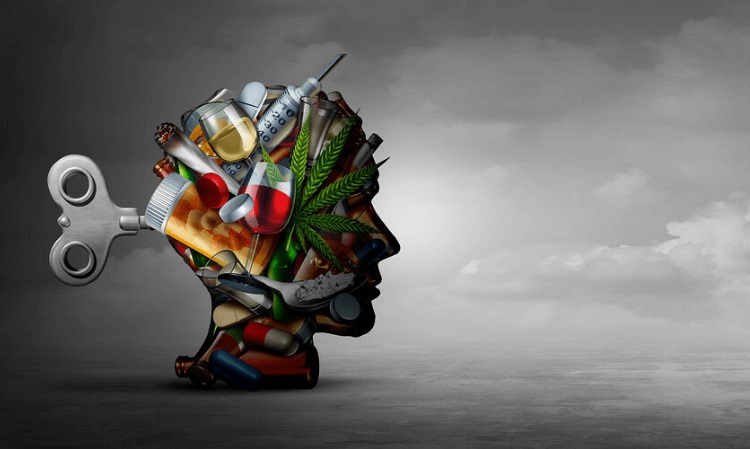

For many years, people misunderstood addiction. Some believed that a person could simply stop using drugs or alcohol through willpower. However, addiction is a medical condition that can affect the brain, behavior, emotions, and physical health. Therefore, people living with addiction need proper care and support rather than shame or blame. Substance use can begin for many reasons. Some people may use drugs or alcohol to cope with stress, trauma, or emotional pain. Others may develop dependence after repeated exposure to an addictive substance. Moreover, genetics, mental health, environment, and social factors can all influence a person’s risk.
As addiction develops, changes in the brain can make it increasingly difficult to stop using a substance. Consequently, a person may continue using it even after experiencing serious problems at home, work, or in their health. Understanding this reality can change the way society responds to addiction. Instead of asking why someone cannot simply stop, we can ask what support they need to recover. This shift can reduce stigma and encourage more people to seek professional treatment.
Addiction Is a Medical Condition That Changes the Brain
The brain plays a central role in addiction. Drugs and alcohol can affect areas responsible for pleasure, reward, decision-making, memory, and impulse control. Over time, repeated substance use can change how these systems function. At first, a person may use a substance because it creates feelings of pleasure or relief. However, continued use can alter the brain’s reward system. As a result, the person may begin to crave the substance more strongly.
Eventually, using the substance may become less about feeling good and more about avoiding withdrawal or emotional discomfort. Therefore, stopping can become much harder than simply making a decision. These brain changes can also affect judgment. A person may understand that their substance use is causing harm. Yet, they may still struggle to control it. This is one reason addiction should be treated as a health condition rather than a character flaw.
Furthermore, recovery can involve gradual changes. The brain may need time to adjust after prolonged substance use. Therefore, treatment and ongoing support can help people develop healthier patterns and reduce the risk of returning to substance use. Understanding the science does not remove personal responsibility. Instead, it helps explain why effective treatment often requires more than willpower alone.
Why People Develop Substance Use Disorders
There is no single reason why someone develops an addiction. Instead, several factors can work together. Genetics can influence how a person responds to certain substances. In addition, family history may increase the risk of developing a substance use disorder. However, genetics alone does not determine someone’s future. Mental health can also play a role. People experiencing depression, anxiety, post-traumatic stress, or other emotional difficulties may use substances as a way to cope. While drugs or alcohol may provide temporary relief, they can create additional problems over time.
Trauma is another important factor. Difficult childhood experiences, abuse, violence, loss, or other traumatic events can affect emotional health. Consequently, some people may turn to substances to escape painful memories or feelings. Social and environmental factors matter as well. A person’s surroundings, relationships, financial situation, and access to healthcare can influence their risk. For example, someone living with ongoing stress and limited support may face additional challenges. Therefore, addiction should never be explained by one simple cause. Each person’s story is different. Understanding those individual experiences can help healthcare professionals provide more appropriate treatment.

Addiction Is a Medical Condition, Not a Lack of Willpower
One of the most damaging myths about addiction is that people simply lack self-control. However, this view ignores the complex changes that substance use can cause. A person may genuinely want to stop using drugs or alcohol. Nevertheless, cravings and withdrawal symptoms can make stopping difficult. Moreover, stressful situations may trigger strong urges to use again. This does not mean that recovery is impossible. Instead, it means that many people benefit from professional help.
Treatment can provide tools that help individuals manage cravings and identify triggers. In addition, therapy can address emotional problems that may contribute to substance use. Medical support can also be important. Depending on the substance involved, withdrawal can sometimes create serious health risks. Therefore, some people may need medically supervised detoxification before beginning a longer recovery program. The key point is simple: people should not be expected to overcome a complex health condition without appropriate support. Just as someone with diabetes may need medication, diet changes, and regular medical care, a person with addiction may need therapy, medical treatment, peer support, and lifestyle changes. The exact approach depends on the individual.
How Stigma Can Make Recovery More Difficult
Addiction stigma can prevent people from seeking help. When society treats addiction as a moral failure, individuals may feel ashamed of their situation. As a result, they may hide their substance use. They may also avoid doctors, therapists, or treatment centers because they fear judgment. This delay can allow the problem to become more serious. Therefore, reducing stigma is an important part of improving addiction care.
Families can help by responding with compassion. However, compassion does not mean ignoring harmful behavior. Instead, it means recognizing the health condition while encouraging the person to seek appropriate treatment. Language also matters. Describing someone as an “addict” can reduce their identity to one condition. Instead, terms such as “person with a substance use disorder” can help emphasize that addiction is something a person experiences, not the entirety of who they are. Moreover, people in recovery deserve respect. Recovery can involve challenges and setbacks. However, a setback does not erase the progress a person has already made. When communities replace judgment with understanding, more people may feel comfortable asking for help.
The Role of Mental Health in Addiction Recovery
Mental health and addiction often overlap. Some people develop mental health problems before substance use begins. Others experience mental health symptoms as a result of prolonged substance use. Therefore, treatment should consider both issues when they occur together. For example, someone using alcohol to manage anxiety may need support for both alcohol use and anxiety. Treating only one issue may leave the other unresolved.
Integrated care can help healthcare professionals understand the connection between emotional health and substance use. Therapy may help individuals identify triggers, process trauma, and develop healthier coping strategies. In addition, medication may be appropriate for some mental health conditions or certain substance use disorders. However, treatment decisions should always come from qualified healthcare professionals.
Support from family and friends can also make a difference. Nevertheless, loved ones should not feel responsible for curing addiction. Instead, they can encourage treatment while maintaining healthy boundaries. Ultimately, addressing mental health can strengthen recovery. When people learn healthier ways to manage difficult emotions, they may become better equipped to handle challenges without returning to harmful substance use.
Addiction Is a Medical Condition That Can Be Treated
Although addiction can be a long-term condition, treatment can help people recover. There is no single program that works for everyone. Instead, treatment should reflect the person’s needs, health, substance use history, and circumstances. Some people may benefit from residential rehabilitation. In this setting, individuals receive structured support while living away from environments that may encourage substance use.
Others may benefit from outpatient treatment. This option allows people to receive therapy and other services while continuing to live at home. Medication-assisted treatment can also help some individuals. Depending on the substance involved, certain medications may reduce cravings, manage withdrawal, or lower the risk of overdose.
Behavioral therapies are another important part of treatment. These approaches can help individuals understand their thoughts and behaviors. They can also teach practical skills for managing triggers and avoiding relapse. Peer support can provide another layer of encouragement. Connecting with people who understand the recovery experience can reduce isolation. However, treatment should not stop simply because a person completes a program. Recovery often continues for months or years. Therefore, ongoing support can help people maintain progress.
What Recovery Really Means
Recovery does not always follow a straight line. Some people experience periods of progress followed by setbacks. However, these challenges do not mean that treatment has failed. Instead, recovery can involve learning from difficult experiences. A person may discover new triggers or recognize areas where additional support is needed.
Relapse can be serious and requires attention. However, it should not automatically lead to shame. A return to substance use can be a sign that the treatment plan needs adjustment. Therefore, people should be encouraged to return to care when they need it. Healthcare professionals can reassess their needs and recommend changes.
Recovery also involves more than stopping substance use. It may include rebuilding relationships, improving physical health, finding stable housing, returning to work, or developing new interests. Consequently, recovery can become an opportunity to create a healthier and more meaningful life.
How Families Can Support Someone With Addiction
Families often experience significant stress when a loved one struggles with addiction. They may feel angry, frightened, confused, or helpless. Therefore, family members also need support and education. First, learning about addiction can help families understand what their loved one is experiencing. Knowledge can replace some fear and confusion with greater understanding.
Second, families can encourage professional treatment. They can help someone find a healthcare provider or treatment program when appropriate. However, boundaries remain important. Supporting someone does not mean accepting abusive or dangerous behavior. Families can offer compassion while still protecting their own physical and emotional well-being.
Moreover, loved ones should avoid taking full responsibility for another person’s recovery. Ultimately, the individual must participate in their own treatment. Family therapy may also be helpful in some cases. It can improve communication and help relatives understand how addiction has affected the household. Most importantly, families should remember that they cannot control every outcome. They can provide support, but recovery is a personal journey.
Moving Beyond Blame Toward Better Recovery Support
The belief that addiction is simply a choice can create shame and delay treatment. In contrast, understanding addiction as a health condition encourages a more practical response. Addiction is a medical condition that can affect brain function, behavior, and physical health. At the same time, it is a condition that can be treated. People living with addiction deserve access to evidence-based care. They also deserve dignity and respect. Therefore, communities should focus on reducing stigma and making treatment easier to access.
Families can help by listening without judgment. Healthcare professionals can provide personalized treatment. Communities can offer recovery resources and peer support. At the same time, individuals struggling with substance use should know that asking for help is not a sign of weakness. Instead, it can be the first step toward change. Recovery may take time. It may involve difficult moments. Nevertheless, people can learn new coping skills, rebuild their lives, and move toward better health.
Ultimately, changing how we talk about addiction can change how we respond to it. When society recognizes that addiction is a medical condition, people are more likely to see treatment as a necessary form of healthcare rather than a punishment. That understanding can create a more compassionate path to recovery. More importantly, it can remind people that addiction does not define their entire identity. With appropriate treatment, ongoing support, and a commitment to recovery, a healthier future is possible.