

Substance use among women involves more than the use of alcohol, prescription medicines, or illicit drugs. It can develop through a mix of biological, emotional, social, and environmental factors. Therefore, women may experience substance use disorders in ways that differ from men. Research on women-focused treatment also shows that gender, relationships, economic conditions, caregiving roles, trauma, and mental health can affect both substance use and recovery.
At the same time, substance use is not a sign of weak character. A substance use disorder is a health condition that can affect anyone. However, women may face extra pressure when they need help. For example, a mother may worry about childcare, family judgment, or losing custody. Consequently, she may delay treatment even when she knows that her substance use is causing harm.
Fortunately, effective treatment can help women regain stability and improve their health. The right approach should consider the whole person rather than focusing only on the substance. In addition, treatment should create a safe environment where women can discuss their experiences without fear of judgment.
Why substance use among women needs a closer look
Women can develop problems with substances for many different reasons. In some cases, prescription medications may play a role. In other situations, alcohol or recreational drugs may become a way to manage stress, trauma, loneliness, anxiety, or depression. Moreover, research has identified important differences in the experiences of women with substance use disorders. Women may have higher rates of certain mental health conditions and may experience trauma or intimate partner violence that affects their substance use.
The situation can also change across different stages of life. Young adults may face social pressure, relationship challenges, or early mental health concerns. Meanwhile, mothers may struggle to balance recovery with childcare and household responsibilities. Older women may face isolation, grief, chronic health problems, or major life changes. Therefore, treatment cannot follow a single model for every woman. A personalized plan can address the reasons behind substance use while also supporting physical and emotional health.
Trauma and substance use among women
Trauma is an important factor to consider when discussing addiction in women. Experiences such as childhood adversity, domestic violence, sexual violence, or controlling relationships can have long-term effects on emotional health. In some cases, a person may turn to alcohol or drugs as a way to cope with painful memories or overwhelming emotions. Research also highlights the connection between gender-based trauma and substance use. Women who experience intimate partner violence may face additional risks, especially when a partner also uses substances.
However, trauma does not automatically lead to addiction. Many women experience difficult events without developing a substance use disorder. Still, understanding trauma can help treatment providers recognize why certain behaviors developed. For this reason, trauma-informed care is especially important. Such care avoids unnecessary judgment and focuses on safety, trust, choice, and empowerment. The Substance Abuse and Mental Health Services Administration also identifies trauma-informed and strengths-based approaches as important elements of gender-responsive treatment. Furthermore, therapy can help women develop healthier ways to manage stress and difficult emotions. Over time, these skills may reduce the need to rely on substances for emotional relief.
Mental health and substance use among women
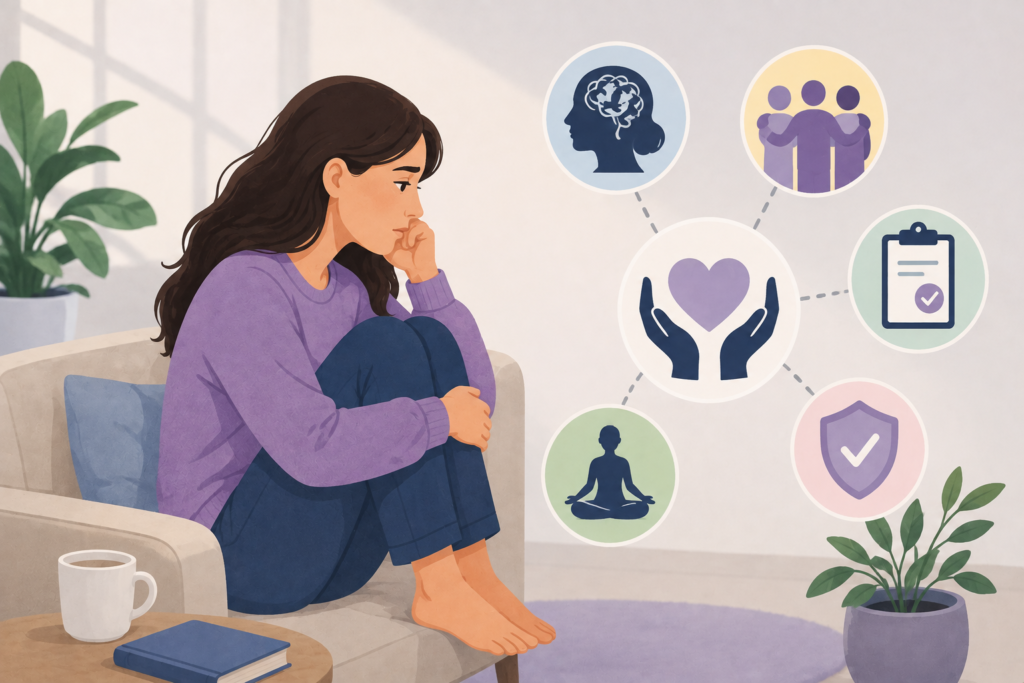
Mental health and addiction can influence each other. A woman may use substances while trying to manage anxiety, depression, trauma symptoms, or other emotional concerns. At the same time, regular substance use can make mental health symptoms worse. As a result, treating only the substance use problem may not provide enough support. Instead, healthcare providers should assess mental health needs as part of the overall treatment plan.
Women with opioid use disorder, for example, may have co-occurring psychiatric conditions such as depression or anxiety. Research also identifies trauma and intimate partner violence as important factors that can affect treatment access and outcomes. Therefore, integrated treatment can be helpful. It may combine counseling, behavioral therapies, medication when clinically appropriate, peer support, and mental health services.
Most importantly, women should not feel forced to choose between mental healthcare and addiction treatment. Both areas deserve attention because they can influence one another throughout recovery.
Pregnancy, parenting, and substance use among women
Pregnancy and parenting can create additional challenges for women who need addiction treatment. A pregnant woman may fear judgment from family members or healthcare professionals. She may also worry about legal consequences or child welfare involvement. These fears can become major barriers. SAMHSA notes that women may face concerns related to pregnancy, childcare, custody, stigma, and limited treatment options.
Parenting responsibilities can also make treatment difficult to attend. A mother may have no reliable childcare. She may lack transportation or have a job that does not allow flexible hours. In addition, she may feel that caring for everyone else must come before caring for herself. However, seeking treatment is not a failure as a parent. In many cases, getting appropriate support can help a mother become healthier and more stable for herself and her family. For pregnant women, medical guidance is especially important. Suddenly stopping certain substances can create health risks, so treatment decisions should be made with qualified healthcare professionals.
What makes treatment harder for some women?
Access to treatment depends on more than personal motivation. Several practical and social barriers can prevent women from receiving care. Financial concerns are one common issue. Treatment, transportation, medication, childcare, and time away from work can create additional costs. Recent research on alcohol use disorder treatment among reproductive-age women found that financial concerns were among the most frequently reported barriers.
Childcare can create another major challenge. A woman may want treatment but have no safe place for her children while she attends appointments. Similarly, transportation problems can make regular attendance difficult. Stigma is another powerful barrier. Women may fear being labeled a bad mother, irresponsible partner, or unfit person. Consequently, they may hide their substance use rather than ask for help.
Cultural expectations can make the problem even harder. Women from different communities may experience different attitudes toward addiction, healthcare, family roles, and asking for support. Therefore, culturally responsive treatment is essential.
How can treatment better support women?
Effective treatment should address more than the substance itself. It should also consider the woman’s physical health, mental health, relationships, family responsibilities, and personal goals. A gender-responsive approach can create a safer and more supportive treatment experience. SAMHSA recommends recognizing women’s socioeconomic circumstances, health concerns, caregiver roles, relationships, cultural factors, and experiences of trauma.
Treatment may include several levels of care depending on individual needs. These can include medical detox, residential treatment, outpatient therapy, medication treatment, behavioral therapy, and recovery support. However, the best plan varies from person to person. One woman may need intensive residential care, while another may benefit from outpatient treatment that allows her to continue working and caring for her family.
Supportive relationships can also make a difference. Counseling and peer groups may help women feel less isolated. In addition, family involvement can be useful when it is safe and appropriate. Above all, treatment should encourage women to participate in decisions about their care. Research on women-specific treatment emphasizes the value of involving clients in treatment planning and creating services that respond to their individual needs.
The role of prevention and early support
Prevention can begin before substance use becomes a serious problem. Open conversations about alcohol, medications, and drugs can help women recognize warning signs earlier. Likewise, healthcare providers can play an important role. Routine screening may identify risky substance use before it develops into a more severe disorder. Early conversations can also connect women with counseling and other resources.
Family members can help by avoiding blame. Instead of saying, “Why can’t you stop?” they can ask, “How can I support you?” This small change can create a more welcoming environment. Furthermore, women should understand that asking for help early is a strength. Treatment does not have to wait until a crisis occurs.
Creating a more supportive recovery path
Recovery becomes more sustainable when treatment fits a woman’s real life. Therefore, providers should consider practical needs alongside clinical care. For example, a program may offer childcare support, flexible appointments, transportation assistance, family services, or coordinated mental health care. These services can reduce obstacles that might otherwise cause a woman to leave treatment.
Recovery support also matters after formal treatment ends. Counseling, peer support, sober living arrangements, healthy routines, and continuing medical care can help maintain progress. Most importantly, women deserve care that treats them with dignity. Shame rarely creates lasting change. Support, trust, accountability, and evidence-based treatment offer a stronger foundation.
Moving toward better care for women
The challenges connected to substance use among women are complex, but they are not impossible to address. Women may face trauma, mental health concerns, pregnancy-related issues, caregiving responsibilities, financial pressure, and stigma. Therefore, treatment should recognize these factors instead of treating addiction as an isolated problem. Fortunately, research supports approaches that are trauma-informed, strengths-based, culturally responsive, and focused on women’s individual needs.
Most importantly, women should know that help is available. A substance use disorder does not define a person’s value, role, or future. With appropriate professional support, many women can develop healthier coping skills, rebuild relationships, and move toward long-term recovery. If substance use is affecting your health, relationships, work, pregnancy, or daily life, speaking with a qualified healthcare or addiction treatment professional can be an important first step. The sooner concerns are addressed, the sooner an individualized path toward recovery can begin.