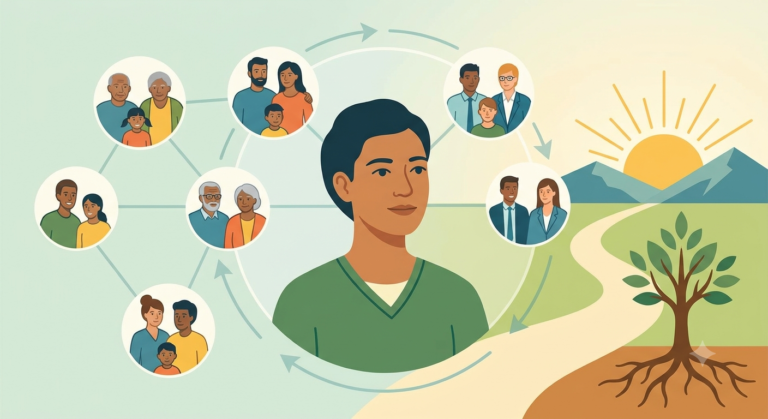

Watching a family member struggle with substance abuse creates immense emotional pain and daily stress. So, understanding the distinction between enabling vs helping addiction becomes crucial for every household. Family members naturally want to shield their loved ones from suffering and financial distress. However, well-intentioned rescue efforts often shield individuals from the natural consequences of their choices. Consequently, removing those negative consequences can inadvertently prolong the cycle of active substance misuse. Learning how to transition toward healthy assistance empowers your relative to take accountability. Thus, establishing constructive habits supports true long-term healing for the entire family unit.
Understanding the Core Meaning of Enabling Vs Helping Addiction
Many people confuse supportive gestures with behaviors that protect dangerous habits over time. Therefore, analyzing enabling vs helping addiction helps clarify how daily interactions shape recovery outcomes. Helping involves offering resources that encourage treatment, personal growth, and self-reliance. Conversely, enabling occurs when you perform tasks that your loved one should handle independently. When you step in to pay legal fees or cover missed work shifts, you cushion the fallout. So, the individual feels less urgency to seek professional medical intervention. Recognizing this dynamic marks the first step toward creating positive behavioral changes.
Common Examples of Enabling Behaviors
- Making excuses to employers, friends, or relatives regarding unpredictable behavior.
- Providing direct financial assistance when funds might purchase drugs or alcohol.
- Cleaning up physical messes or completing neglected household chores consistently.
- Bailing someone out of jail or paying fines to erase legal consequences.
- Denying the severity of the problem to maintain an illusion of normalcy.

Identifying Codependency Patterns within Family Systems
Living alongside chronic substance use frequently leads to unhealthy emotional entanglements. Because caregivers pour endless energy into managing someone else’s life, their personal needs get neglected. Consequently, evaluating enabling vs helping addiction requires examining your own emotional state and daily stress levels. If you feel constant resentment, exhaustion, or anxiety, codependent habits may have taken root. So, breaking free from this cycle requires focusing on your mental well-being alongside your relative’s needs. Reclaiming your emotional independence creates a healthier household environment for everyone involved.
Telltale Signs You May Be Enabling
- Feeling intense guilt whenever you refuse a request for money or assistance.
- Prioritizing your loved one’s comfort over your physical and financial safety.
- Spending hours worrying about keeping your relative out of trouble.
- Lying to cover up missed family obligations or ruined social events.
The Impact of Natural Consequences on Motivation to Recover
Human beings usually alter dangerous behaviors when the discomfort of staying the same outweighs the fear of change. However, when families continuously intervene, they delay this critical realization. Thus, studying enabling vs helping addiction highlights the therapeutic power of natural consequences. Allowing a relative to experience job loss, financial strain, or strained relationships provides essential reality checks. While watching a loved one face hardship proves emotionally painful, shielding them locks them in destructive patterns. So, stepping back allows the reality of the situation to motivate genuine behavioral change.
Practical Strategies for Setting Healthy Personal Boundaries
Establishing firm limits represents the most effective method for shifting away from destructive enabling. Therefore, applying enabling vs helping addiction principles requires clear communication regarding acceptable household rules. You must clearly outline what assistance you will offer and what actions you will no longer tolerate. For example, offering to research rehab facilities provides genuine support. Conversely, handing over cash for rent without verification enables continued substance abuse. Maintaining these boundaries consistently proves essential when pushback or guilt trips occur.
Effective Boundaries to Enforce Immediately
- Refusing to give cash directly to the individual under any circumstances.
- Stopping all attempts to make excuses to bosses, landlords, or law enforcement.
- Requiring clean drug tests if the individual resides within your home.
- Offering transport only to therapy sessions, medical appointments, or support groups.
Navigating Emotional Resistance and Guilt Successfully
Transitioning from passive compliance to firm boundary enforcement often sparks immediate resistance. Because your relative relies on previous safety nets, they may express anger or emotional distress. So, holding firm during these tense moments determines the success of your recovery plan. Understanding enabling vs helping addiction reminds us that boundary setting stems from deep love rather than punishment. Moreover, joining support networks like Al-Anon or working with family therapists provides vital emotional reinforcement. Surrounding yourself with experienced guidance prevents you from retreating into old, comfortable habits.
Guiding Your Loved One toward Professional Treatment
Offering constructive support means directing your loved one toward professional clinical intervention. So, preparing a list of accredited detox centers, inpatient programs, and outpatient counselors equips you for moments of openness. When your relative expresses a desire for change, act swiftly by facilitating contact with treatment experts. However, emphasize that entering treatment remains their personal responsibility to fulfill. Assisting with logistics while requiring personal accountability builds a strong groundwork for long-term sobriety.
Prioritizing Self-Care for Sustainable Family Healing
You cannot guide someone out of a storm if you are drowning alongside them. Therefore, prioritizing your personal health, adequate sleep, and mental peace forms a critical part of the journey. Engaging in personal hobbies, pursuing counseling, and maintaining normal daily routines restores your resilience. Furthermore, modeling healthy living shows your relative what a balanced life looks like outside of active addiction. Combining compassionate firmness with continuous self-care fosters the best environment for lasting family recovery.