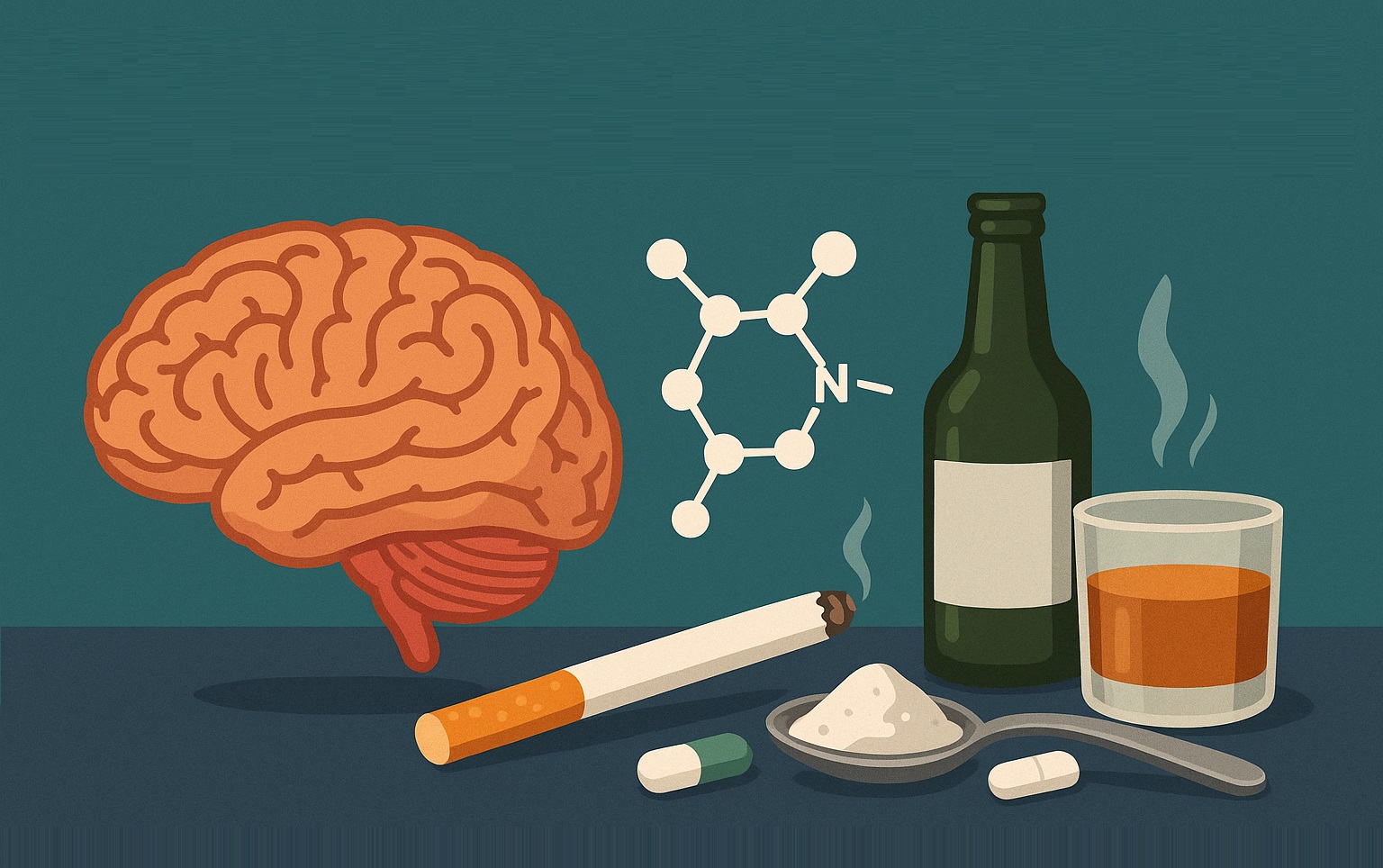

A substance use disorder program provides structured care for people who need help changing harmful patterns of substance use. However, treatment involves more than stopping substance use. A complete program can address physical health, emotional well-being, behavior, relationships, and long-term recovery. Therefore, understanding what treatment includes can help patients and families prepare for the recovery process.
What Is a Substance Use Disorder Program?
A substance use disorder program brings different forms of professional care together. Depending on a person’s needs, treatment may take place in residential care, partial hospitalization, intensive outpatient care, or standard outpatient settings. Each level offers a different amount of support and structure.
Furthermore, treatment usually begins with an assessment. Healthcare professionals review substance use, medical history, mental health, and other personal factors. Then, they use this information to develop a treatment plan. As a result, care can match the person’s needs instead of following one fixed approach.
The right level of care can also change over time. For example, someone may begin with residential treatment and later move to outpatient services. This step-down approach can provide continued support while the person gradually returns to everyday responsibilities.
How Does a Substance Use Disorder Program Work?
A substance use disorder program may combine several evidence-based approaches. Individual therapy gives patients a private setting to explore triggers, thoughts, emotions, and behaviors. Meanwhile, group therapy can provide connection and accountability. Cognitive Behavioral Therapy, Motivational Interviewing, and other behavioral approaches may help patients understand patterns that contribute to substance use. In addition, some programs offer trauma-focused therapies when trauma affects recovery.
Medical care can also play an important role. Some people need supervised detoxification before they begin ongoing treatment. Withdrawal from certain substances can create serious health risks. Therefore, medical supervision may be necessary for safe stabilization. For opioid or alcohol use disorders, medication may also form part of treatment. Medicines such as buprenorphine, methadone, or naltrexone may be used when clinically appropriate. These medicines work alongside behavioral care rather than replacing it.
What Happens During Residential Treatment?
Residential treatment provides a structured environment where patients live at the treatment facility. Consequently, they can step away from environments, routines, or triggers that may make recovery harder. Daily schedules often include therapy, group sessions, wellness activities, meals, rest periods, and other planned activities. This structure can help patients develop healthier routines. It can also create regular opportunities to practice coping skills.
However, residential care is not the same for everyone. Some people may need 24-hour support, while others may benefit from less intensive care. A professional assessment helps determine the appropriate level. A quality substance use disorder program should also prepare patients for the next stage of recovery. Treatment does not simply stop when residential care ends. Instead, continuing care can help patients maintain progress as they return to work, family life, and community responsibilities.
Why Does Mental Health Care Matter?
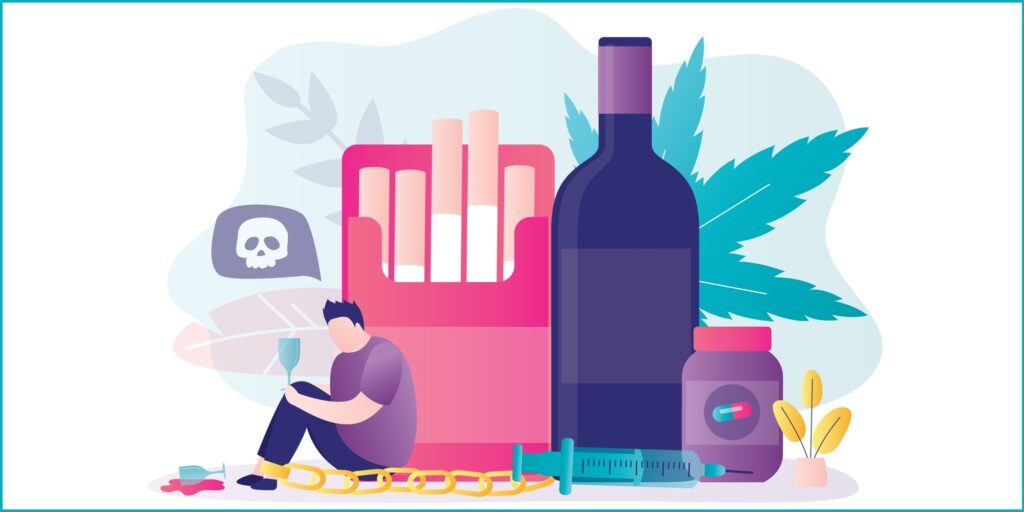
Substance use and mental health can affect each other. For example, anxiety, depression, trauma, or other mental health concerns may occur alongside substance use disorders. Therefore, treating only substance use may leave important concerns unresolved. Integrated care can address both conditions within one treatment plan. Licensed mental health professionals may use therapies suited to the person’s needs. At the same time, addiction specialists can address cravings, triggers, and recovery skills.
This approach can also help patients understand why certain patterns developed. As they gain awareness, they can learn healthier ways to manage stress and difficult emotions. Over time, these skills may support stronger recovery habits. Family support can matter as well. Families may need education about addiction, communication, boundaries, and relapse prevention. In addition, structured family therapy can help improve understanding between patients and their loved ones.
What Should You Expect From Treatment?
Entering a substance use disorder program can feel uncertain. Nevertheless, knowing what to expect can make the process easier. Treatment commonly starts with an intake assessment. During this stage, clinicians gather information about substance use, physical health, mental health, medications, and personal circumstances. Next, the care team develops a plan based on the assessment. The plan may include therapy, medical services, medication, group support, family involvement, and continuing care.
Progress can also be reviewed throughout treatment. As needs change, the care team may adjust the treatment plan or level of care. This flexibility is important because recovery does not follow the same timeline for everyone. Patients and families should also ask questions before choosing a treatment provider. They can ask about available levels of care, staff qualifications, therapy approaches, medication options, family services, and aftercare planning.
Building Support Beyond Treatment
Recovery continues after formal treatment ends. Therefore, aftercare should form an important part of planning. Continuing care may include outpatient therapy, peer support, follow-up appointments, relapse prevention strategies, and community resources. A strong support system can also make daily recovery easier. Family members, trusted friends, counselors, and peer groups can provide encouragement during difficult periods. However, support should complement professional treatment rather than replace it.
Healthy routines can further support recovery. Regular sleep, balanced meals, physical activity, meaningful activities, and stress-management skills can help create stability. Small changes can become important habits when practiced consistently. Ultimately, treatment works best when it matches the person’s clinical needs and continues beyond the initial phase of care. A well-structured substance use disorder program can provide the professional guidance, skills, and support needed to move toward lasting recovery.