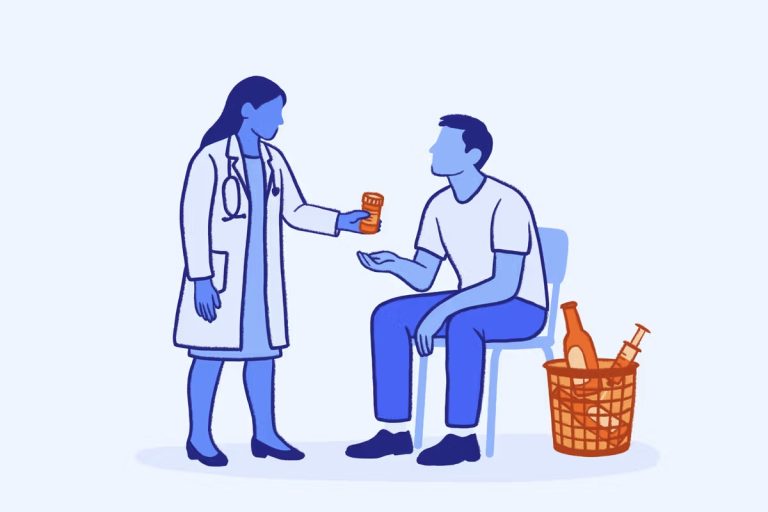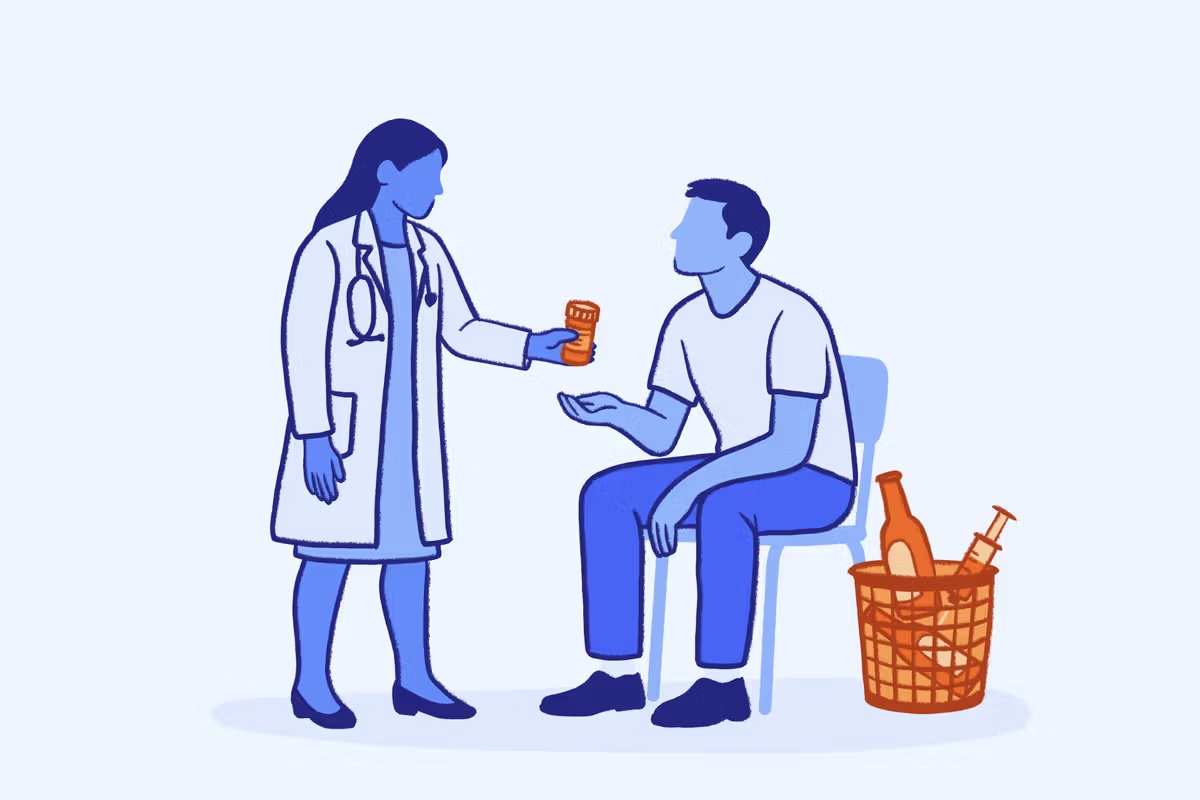

Medication-Assisted Treatment is an evidence-based approach that uses approved medications alongside counseling and other recovery services to treat certain substance use disorders. It can help people manage cravings, reduce withdrawal symptoms, and lower the risk of returning to substance use. As a result, individuals may find it easier to focus on their health and daily responsibilities during recovery.
Addiction affects both the body and the mind. Therefore, treatment often needs to address physical dependence, emotional challenges, and habits linked to substance use. Medication can help manage some physical symptoms, while counseling supports healthier choices and coping skills. Together, these services can provide a more complete approach to care. Although recovery looks different for everyone, professional guidance can help people understand their options. A qualified healthcare provider can assess their needs and recommend a treatment plan that fits their circumstances.
How Medication-Assisted Treatment Works
Medication-Assisted Treatment works by using specific medicines to address the effects of certain substances on the brain and body. Depending on the medication, treatment may reduce cravings, ease withdrawal symptoms, block some of a substance’s effects, or help prevent a return to harmful use.
However, not every medication works in the same way. The right option depends on the substance involved, the person’s health history, other medicines they take, and their treatment goals. For this reason, a medical assessment is an important first step. In addition, treatment may include individual counseling, group therapy, behavioral support, and regular medical appointments. These services can help people recognize triggers, manage stress, and develop routines that support recovery. Over time, consistent care can help individuals work toward greater stability and improved quality of life.

Common Medications Used in Medication-Assisted Treatment
Different medicines are used to treat opioid and alcohol use disorders. Each medicine has a specific purpose. Therefore, healthcare providers choose an option based on the person’s condition and medical needs.
Medications for Opioid Use Disorder
Methadone, buprenorphine, and naltrexone are commonly used to treat opioid use disorder. However, they work differently and have different requirements for starting treatment.
Methadone helps reduce withdrawal symptoms and cravings when taken as prescribed. Buprenorphine can ease withdrawal and reduce cravings, while naltrexone blocks opioid effects after a person has completed the required opioid-free period. A healthcare provider can explain the benefits, risks, and requirements of each option.
Medications for Alcohol Use Disorder
Medication may also help people who are working to reduce or stop alcohol use. Naltrexone can help reduce alcohol cravings and heavy drinking, while acamprosate may support continued abstinence. Disulfiram is another option that causes an unpleasant reaction when alcohol is consumed.
Nevertheless, these medicines are not suitable for everyone. A medical professional must consider a person’s health, drinking patterns, and other medications before recommending treatment.
Key Benefits of Medication-Assisted Treatment
Medication-Assisted Treatment can offer several benefits when it is appropriately prescribed and monitored. First, it may reduce cravings and withdrawal symptoms, making it easier to remain engaged in care. Second, certain medications for opioid use disorder can lower the risk of overdose and death. Furthermore, treatment can help people maintain daily routines, improve family relationships, and participate more consistently in work or other responsibilities. When counseling is also available, individuals can learn to manage stress and respond to situations that may trigger substance use.
Another important benefit is continuity of care. Recovery does not always follow a straight path. Therefore, regular appointments allow providers to review progress, address concerns, and adjust treatment when needed. It is also important to understand that medication is not a sign of weakness. Addiction is a complex health condition, and using evidence-based medication can be a legitimate part of recovery. Treatment decisions should focus on safety, individual needs, and long-term well-being.
The Role of Counseling During Medication-Assisted Treatment
Medication can address some physical aspects of addiction. However, counseling may help people understand the emotional and behavioral factors that influence substance use. For this reason, many treatment plans combine medical care with psychological support. For example, cognitive behavioral therapy can help individuals identify unhelpful thought patterns and develop practical ways to manage stress. Meanwhile, group counseling can provide opportunities to share experiences and learn from others facing similar challenges.
Family counseling may also help rebuild trust and improve communication, when appropriate and welcomed by the person receiving care. In addition, peer support groups can offer encouragement and a sense of connection during difficult periods. Although counseling can strengthen a recovery plan, access to medication for opioid use disorder should not unnecessarily depend on a person’s ability to attend therapy. Treatment should remain individualized, and providers can help arrange additional support according to each person’s needs.
How to Start Medication-Assisted Treatment
Starting Medication-Assisted Treatment begins with speaking to a qualified healthcare professional or addiction treatment provider. During the first appointment, the provider may review substance use history, current symptoms, medical conditions, and any medicines the person already takes. Next, the provider can explain suitable treatment options and discuss how each medicine works. This conversation should also cover possible risks, follow-up appointments, costs, and insurance coverage where applicable.
Once a treatment plan is agreed upon, regular monitoring helps the care team assess progress. The provider may adjust the medication or recommend additional services based on the person’s response. In some cases, treatment may be available through outpatient clinics or telehealth services. However, access depends on the medicine, local regulations, and the provider’s services. Methadone for opioid use disorder, for example, is generally provided through federally certified opioid treatment programs in the United States.
People should never start, stop, or change addiction medication without professional advice. Some medicines require specific preparation before treatment begins, and stopping certain medications suddenly can increase health risks.
How Long Does Medication-Assisted Treatment Last?
There is no single treatment duration that works for everyone. Some people may need medication for months, while others benefit from treatment for several years or longer. The duration depends on the substance use disorder, medical history, treatment response, and risk of relapse. Therefore, stopping medication should be a shared decision made with a qualified healthcare provider. A person should not feel pressured to discontinue treatment simply because a certain amount of time has passed.
Regular follow-up appointments can help determine whether the current plan remains effective. In addition, continued counseling and social support may help individuals maintain progress as their needs change. Recovery is a personal process. Consequently, a flexible treatment plan that prioritizes safety and stability can be more appropriate than a fixed deadline.
Moving Forward With Addiction Recovery
Medication-Assisted Treatment can be an important option for people living with opioid or alcohol use disorders. By combining appropriate medication with medical supervision and suitable support services, individuals can work toward improved health and a more stable life. However, there is no universal treatment plan. Each person deserves care that respects their circumstances, health needs, and recovery goals. Speaking with a qualified addiction specialist is a practical first step toward understanding available options.
With informed decisions, ongoing support, and consistent follow-up, people can make meaningful progress in recovery. Seeking help is a positive step, and treatment can provide a foundation for healthier choices and long-term well-being.