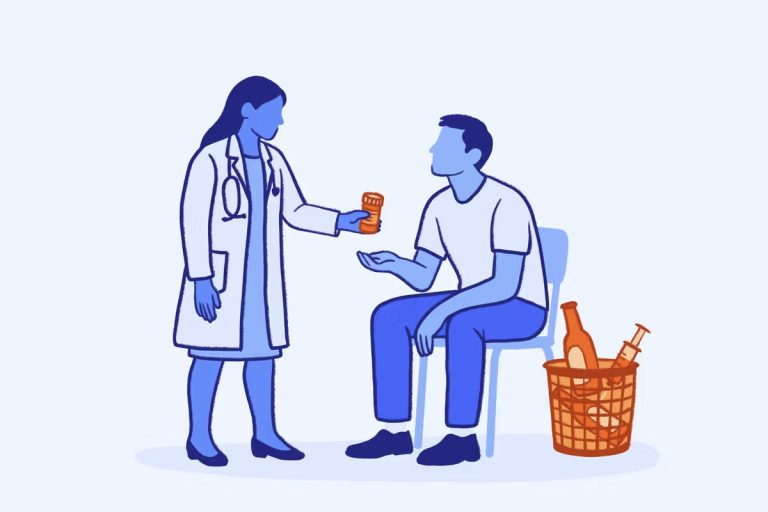

Getting help for drug or alcohol addiction can be a major step toward a healthier life. However, the cost of treatment often worries individuals and their families. Fortunately, Indiana Medicaid drug rehab coverage may help eligible residents access important addiction treatment services. Understanding how Medicaid works can make the process easier and help people choose the right level of care.
Medicaid is a public health insurance program that helps eligible individuals pay for medical services. In Indiana, Medicaid programs may cover certain substance use disorder treatment services for qualified members. However, coverage does not always mean that every treatment program or service will receive full payment. Therefore, it is important to understand your plan, eligibility, and treatment needs before starting rehab.
The length of treatment can also vary. Some people may need short-term services, while others require a longer period of structured care. Consequently, the amount of time Medicaid pays for treatment may depend on medical necessity, the type of program, and the individual’s progress.
How Indiana Medicaid Drug Rehab Coverage Works
Indiana Medicaid drug rehab coverage can help eligible members receive treatment for substance use disorders. The exact benefits depend on the person’s Medicaid plan and the services recommended by qualified healthcare professionals. Generally, addiction treatment can include several levels of care. For example, some people may begin with medically supervised detoxification. Others may enter residential treatment or receive care through an outpatient program.
However, Medicaid coverage is not unlimited. A treatment provider may need to show that the recommended service is medically necessary. In addition, the provider may need to meet specific program requirements and follow Medicaid rules. Because of this, people should not assume that every rehab center accepts Medicaid. Before entering treatment, it is wise to confirm that the facility participates in the individual’s Medicaid program. Furthermore, coverage may depend on whether the treatment provider is considered an in-network or approved provider. Therefore, checking these details early can help prevent unexpected expenses.
How Long Can Medicaid Pay for Rehab?
One of the most common questions about Medicaid-funded treatment involves the length of coverage. The answer can vary because addiction treatment is not the same for everyone. Some individuals may benefit from a short treatment program. Meanwhile, others may need several weeks or months of ongoing support. The appropriate duration often depends on the severity of the substance use disorder and the person’s response to treatment.
In many cases, healthcare professionals assess a person’s condition before recommending a level of care. They may consider factors such as withdrawal risks, physical health, mental health, previous treatment history, and the risk of relapse. As treatment continues, the care team may review the person’s progress. If the individual continues to meet the criteria for a particular level of care, coverage may continue according to the plan’s rules.
However, this does not guarantee unlimited treatment. Medicaid programs generally have policies that determine when a service is covered. Therefore, a person may need to transition from one level of care to another as their condition improves. For example, someone might begin with a higher level of support before moving into outpatient treatment. This approach can help people continue recovery while gradually returning to daily responsibilities.

What Factors Affect Indiana Medicaid Drug Rehab Coverage?
Several factors can influence Indiana Medicaid drug rehab coverage. Therefore, understanding these factors can help individuals prepare for the treatment process. First, eligibility matters. A person must qualify for Medicaid and maintain active coverage. Changes in income, household circumstances, or other eligibility factors may affect benefits.
Second, medical necessity can play an important role. Treatment providers typically assess whether a specific service is appropriate for the individual’s condition. The more intensive the treatment, the more documentation may be required. Third, the type of treatment can affect coverage. Detox services, residential care, partial hospitalization, intensive outpatient programs, and standard outpatient treatment may have different coverage rules.
Fourth, the treatment provider matters. A facility must meet the requirements of the Medicaid program and may need to obtain authorization for certain services. Finally, the individual’s progress may affect the recommended treatment plan. As recovery develops, the person may move to a less intensive level of care. Because these factors can vary, individuals should speak with their Medicaid plan and treatment provider for the most accurate information about their personal situation.
Does Medicaid Cover Detox and Withdrawal Treatment?
Detoxification is often the first stage of recovery for people who are physically dependent on drugs or alcohol. During detox, the body begins to remove the substance. However, withdrawal can sometimes cause serious symptoms. For this reason, some individuals need medical supervision during detox. The level of support depends on the substance involved, the person’s health, and the severity of withdrawal symptoms.
Medicaid may cover certain medically necessary detox services for eligible members. However, coverage depends on the specific program and provider. After detox, treatment usually needs to continue. Detox alone does not address the psychological, behavioral, and social factors connected to addiction. Therefore, a person may benefit from residential treatment, outpatient counseling, medication-assisted treatment, or other recovery services. Consequently, people should view detox as one part of a larger treatment plan rather than the entire recovery process.
Residential Treatment and Medicaid Benefits
Residential rehab provides a structured environment where people can focus on recovery away from everyday triggers. This type of care may be helpful for individuals who need more support than traditional outpatient treatment can provide. During residential treatment, patients may participate in counseling, behavioral therapy, group sessions, recovery education, and other services. The exact program varies from one facility to another.
However, Medicaid coverage for residential treatment depends on eligibility and the specific treatment requirements. The facility may also need to demonstrate that residential care is medically appropriate. For that reason, people should ask their Medicaid plan whether the chosen facility is covered. They should also ask about authorization requirements and the expected duration of coverage.
Additionally, individuals should discuss what happens when residential treatment ends. A strong transition plan can help reduce the risk of relapse. For example, a person may move into an outpatient program or recovery support service.
Can Medicaid Cover Outpatient Addiction Treatment?
Outpatient treatment allows individuals to receive care without living at a treatment facility. As a result, it can be a useful option for people who have a stable living environment and do not require constant supervision. Outpatient programs may include individual counseling, group therapy, behavioral treatment, medication management, and recovery education. Some programs offer several sessions each week, while others provide less intensive support.
Medicaid may cover certain outpatient substance use disorder services for eligible members. However, coverage depends on the plan and the provider. Furthermore, outpatient care may become part of a person’s continuing recovery plan after residential treatment. This step-down approach can help people maintain treatment while returning to work, school, or family responsibilities. Therefore, outpatient treatment can play an important role in long-term recovery. Still, the right level of care should be determined with the help of qualified professionals.
Indiana Medicaid Drug Rehab Coverage and Medication-Assisted Treatment
Medication-assisted treatment, often called MAT, combines approved medications with counseling and behavioral support. It can be especially important for people recovering from opioid or alcohol use disorders. Certain medications can help reduce cravings and withdrawal symptoms. At the same time, counseling can help individuals address behaviors and triggers linked to substance use. Depending on eligibility and the treatment plan, Indiana Medicaid drug rehab coverage may help pay for certain medications and related services. However, the exact benefits can vary.
Because medication-assisted treatment requires medical oversight, patients should work with qualified healthcare providers. The treatment team can determine whether a medication-based approach is appropriate. Moreover, medication alone may not address every part of addiction. Therefore, combining medication with counseling and recovery support may provide a more complete treatment strategy.
What Happens When Medicaid Coverage Ends?
People sometimes worry about what happens when Medicaid no longer pays for a particular level of treatment. However, the end of coverage for one service does not necessarily mean the end of recovery care. In many cases, a person may transition to a different treatment setting. For instance, someone completing residential care may move into an outpatient program. Another person may continue with counseling and medication management.
Therefore, planning ahead is important. Patients should talk with their treatment team before their current level of care ends. The team can help identify appropriate next steps. It is also important to ask questions about ongoing costs. Depending on the service, some individuals may have other payment options available. Additionally, community resources may provide recovery support. Peer groups, community organizations, and local services can sometimes help people remain connected to recovery after formal treatment.
How to Check Your Medicaid Rehab Benefits
Before entering treatment, individuals should confirm their Medicaid benefits. This step can reduce confusion and help them understand what services may be available. Start by checking the information provided by the Medicaid plan. Members can also contact their plan directly to ask about substance use disorder treatment. Next, ask whether the chosen rehab facility accepts the specific Medicaid plan. This is important because not every facility participates in every Medicaid program.
It is also helpful to ask whether prior authorization is required. Some services may need approval before treatment begins. Finally, ask about the expected length of coverage and what happens if additional treatment becomes necessary. Getting these answers early can make the treatment process smoother.
Choosing the Right Rehab Program in Indiana
Finding a suitable rehab program involves more than checking whether Medicaid covers the service. The program should also match the person’s medical and recovery needs. For example, someone at high risk of dangerous withdrawal may require medical detox. Another person may benefit from residential treatment because of an unstable home environment. Meanwhile, someone with a strong support system may be able to participate in outpatient care.
Treatment should also address the whole person. Addiction can affect physical health, mental health, relationships, employment, and family life. Therefore, comprehensive care may provide better support for long-term recovery. In addition, people should consider the experience of the treatment team and the services available after formal treatment ends. Aftercare is especially important because recovery continues beyond the initial treatment period. Counseling, peer support, sober living arrangements, and ongoing medical care may all support continued progress.
Getting Help Without Delaying Treatment
Understanding Indiana Medicaid drug rehab coverage can help people make informed decisions about addiction treatment. However, questions about insurance should not prevent someone from seeking help. Addiction can become more difficult to manage without appropriate treatment. Therefore, individuals and families should reach out to healthcare professionals as soon as possible. Medicaid coverage rules can change, and individual benefits may differ. Consequently, the most reliable way to understand personal coverage is to contact the Medicaid plan and the treatment provider directly.
At the same time, people should remember that recovery is a process. Treatment may begin with detox and continue through residential care, outpatient services, counseling, medication, and aftercare. With the right support, people can take meaningful steps toward recovery. Moreover, understanding available coverage can make it easier to access the care needed at each stage.
Moving Forward With the Right Support
Access to affordable treatment can make a significant difference for people struggling with substance use disorders. Indiana Medicaid drug rehab coverage may help eligible individuals receive essential services, but the exact benefits depend on the person’s plan, eligibility, medical needs, and chosen provider. Therefore, checking coverage before treatment begins is an important step. Individuals should confirm their benefits, ask about authorization requirements, and choose a qualified provider that accepts their Medicaid plan.
Most importantly, people should not feel that they have to manage addiction alone. With professional treatment, ongoing support, and a well-planned recovery path, individuals can work toward healthier and more stable lives.