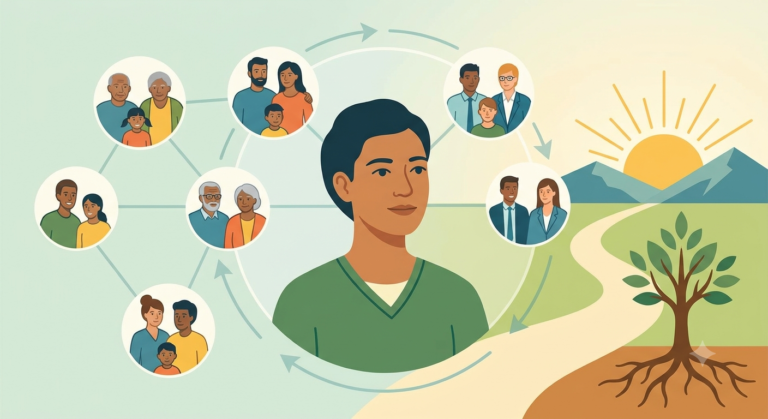

Juneteenth and addiction may seem like two separate topics at first. However, both can be connected through the wider issues of freedom, equality, health, and community healing. Juneteenth marks the end of slavery in the United States. At the same time, it creates an opportunity to think about the barriers that still affect Black communities today. These barriers can include unequal access to healthcare, social pressure, financial hardship, and limited access to quality addiction treatment.
Substance use disorder can affect anyone. However, social conditions can influence how a person experiences addiction and recovery. For some people, the journey toward recovery becomes harder because of stigma or limited resources. Moreover, racial health disparities can affect when a person receives care and what type of support they can access.
Therefore, conversations around Juneteenth can go beyond history. They can also encourage communities to discuss modern health challenges. Addiction is one of those challenges. By understanding the relationship between social inequality and substance use, communities can work toward better treatment, stronger support systems, and long-term recovery.
Juneteenth and Addiction: Understanding the Connection
Juneteenth is a significant moment in American history. It commemorates June 19, 1865, when enslaved people in Galveston, Texas, learned that they were free under the Emancipation Proclamation. Although the proclamation had been issued more than two years earlier, news and enforcement did not reach everyone at the same time. Today, Juneteenth represents freedom, resilience, and progress. However, it also encourages reflection on the challenges that remain. While slavery ended, racial inequality continued in many forms. Over time, these inequalities affected education, employment, housing, healthcare, and other areas of life.
Consequently, health outcomes can also be shaped by social conditions. Addiction does not develop because of one single reason. Instead, many factors can contribute to substance use disorder. These may include trauma, stress, mental health concerns, family history, environment, and access to support. For this reason, discussions about Juneteenth and addiction can help highlight the need for fair and accessible healthcare. They can also encourage a deeper understanding of the experiences that may influence substance use within different communities.
Furthermore, addiction should never be viewed as a personal failure. Substance use disorder is a complex health condition. Therefore, people struggling with addiction deserve compassion, evidence-based treatment, and meaningful support.
How Inequality Can Affect Addiction and Recovery
Health inequality can influence many aspects of a person’s life. It can affect whether someone has health insurance, where they live, and whether treatment is available nearby. In addition, financial pressure may make it difficult to take time away from work for rehabilitation or therapy. Access is only one part of the problem. Trust can also play an important role. Some people may have concerns about healthcare systems because of historical and personal experiences. As a result, they may delay seeking help or avoid treatment altogether.
Moreover, stigma can make the situation more difficult. A person experiencing addiction may fear being judged by family members, friends, employers, or the wider community. Consequently, they may hide their substance use instead of asking for help. These challenges can create a cycle. A person may need treatment, yet barriers prevent them from receiving it. Then, without appropriate support, substance use may continue or become more severe. Therefore, improving addiction care requires more than simply increasing the number of treatment centers. Communities also need services that are affordable, accessible, respectful, and responsive to individual needs.

Juneteenth and Addiction Highlight the Need for Inclusive Care
Effective addiction treatment should recognize the whole person. This includes their physical health, mental health, family circumstances, cultural background, and personal experiences. Culturally responsive care can help create a stronger connection between patients and healthcare professionals. When people feel respected and understood, they may be more willing to discuss difficult experiences. Furthermore, they may feel more comfortable asking for help when they need it.
However, culturally responsive treatment does not mean making assumptions about every person from a particular racial or cultural group. Instead, it means listening carefully and understanding that each person’s experience is different. For example, a treatment provider may explore how family relationships, community expectations, discrimination, or past trauma affect a person’s recovery. These conversations can help professionals create a more personalized treatment plan.
At the same time, treatment should remain evidence-based. Cultural awareness should work alongside proven approaches such as behavioral therapies, counseling, peer support, and medication when clinically appropriate. Ultimately, the goal is to create an environment where people can receive effective care without feeling judged or misunderstood.
The Role of Trauma in Substance Use
Trauma can have a lasting effect on physical and emotional health. It can influence how people manage stress and respond to difficult situations. In some cases, individuals may use alcohol or drugs as a way to cope with painful emotions. However, substances may provide temporary relief without addressing the underlying problem. Over time, repeated use can lead to dependence, health problems, and other challenges.
For some members of marginalized communities, experiences of discrimination and inequality can add another layer of stress. These experiences do not automatically cause addiction. Nevertheless, ongoing stress can affect mental health and overall well-being. Therefore, addiction treatment should consider more than substance use alone. Trauma-informed care can help professionals understand why a person may have turned to substances in the first place.
This approach focuses on safety, trust, choice, and respect. Instead of asking only, “What is wrong with you?” treatment can explore, “What happened to you, and what support do you need now?” That change in perspective can make recovery feel more compassionate and achievable.
Juneteenth and Addiction Encourage Community Conversations
Community conversations can play an important role in reducing addiction stigma. When people speak openly about substance use disorder, they can help others understand that addiction is a health issue rather than a moral weakness. Juneteenth provides a meaningful opportunity for these conversations. The holiday is rooted in freedom and resilience. Therefore, it can also serve as a reminder that freedom from addiction is possible.
Families and communities can support recovery by encouraging honest discussions about mental health and substance use. In addition, they can help people recognize warning signs and understand where to seek professional support. However, conversations should avoid stereotypes. Black communities are not defined by addiction. Millions of Black Americans live healthy and fulfilling lives. Therefore, discussions about addiction should focus on awareness and solutions rather than creating negative labels.
Instead, the goal should be to strengthen communities. This can involve supporting young people, improving mental health awareness, promoting healthy coping skills, and making treatment easier to access. Furthermore, people in recovery can become powerful voices for change. Their experiences can help others understand that recovery is possible and that seeking treatment is a sign of strength.
Removing Stigma From Addiction Recovery
Stigma remains one of the biggest challenges in addiction treatment. People who struggle with substance use may fear being labeled or rejected. Consequently, they may delay treatment. This is especially concerning because early support can make a meaningful difference. The longer a person remains without appropriate care, the more difficult their situation may become.
Families can help by responding with empathy rather than shame. For example, they can encourage a loved one to speak with a healthcare professional. They can also learn about addiction and recovery themselves. Similarly, communities can challenge harmful stereotypes. Addiction is not a character flaw. Instead, it is a complex condition influenced by biological, psychological, and social factors.
Moreover, relapse should not automatically be viewed as failure. Recovery can involve setbacks. However, a setback does not erase previous progress. With the right support, a person can return to treatment and continue moving forward. Therefore, reducing stigma requires a shift in language and attitude. People need to know that asking for help is acceptable. They also need to feel that recovery services are safe and respectful.
Improving Access to Addiction Treatment
Better access to care is essential for reducing health disparities. However, treatment access involves several factors. First, people need to know where to find help. Clear information about local services can make it easier to take the first step. Second, treatment should be affordable. High costs can prevent people from entering or completing care. Transportation can also create problems. Someone may want treatment but live far from a suitable facility. In such cases, telehealth and community-based services may provide additional options when appropriate.
Furthermore, treatment should address the needs of the whole person. Many individuals with substance use disorder also experience anxiety, depression, trauma, or other mental health concerns. Therefore, integrated care can be especially valuable. Recovery support should also continue after formal treatment ends. Counseling, peer groups, family support, and recovery communities can help people maintain progress. Consequently, addiction treatment should not be viewed as a single event. Recovery is often a long-term process that benefits from continued support.
The Importance of Mental Health Support
Mental health and addiction are closely connected. Some people use substances to manage difficult emotions. Others may develop mental health symptoms as a result of prolonged substance use. Because of this connection, mental health support should be part of a comprehensive recovery plan. Treatment professionals can help individuals identify healthier ways to manage stress, grief, trauma, and emotional pain.
Therapy can also help people understand their triggers. Once triggers become clearer, individuals can develop strategies to respond without returning to substance use. Family involvement can be valuable as well. However, family members should receive guidance about healthy boundaries and supportive communication. Recovery should not place the entire responsibility on relatives.
In addition, peer support can provide a sense of belonging. Speaking with someone who understands the recovery process can reduce feelings of isolation. Overall, emotional support can strengthen the recovery journey. People are more likely to move forward when they feel that they are not facing their challenges alone.
Creating a Healthier Future Through Awareness
The conversation surrounding Juneteenth and addiction is ultimately about more than one holiday or one health issue. It is about understanding how freedom, equality, health, and community well-being can intersect. Juneteenth reminds people of the progress made through generations of resilience. However, it also creates space to consider the work that remains. Health inequality continues to affect many communities, and addiction is one area where better access and support are needed.
Therefore, meaningful change requires action at several levels. Individuals can seek help and learn about addiction. Families can offer compassion. Communities can reduce stigma. Healthcare providers can improve culturally responsive care. Policymakers can work toward fair access to health services. At the same time, people should remember that every recovery journey is personal. There is no single path that works for everyone. Some people may benefit from residential rehabilitation. Others may need outpatient care, therapy, medication, or peer support.
Moving Toward Freedom, Health, and Recovery
The connection between Juneteenth and addiction offers an opportunity to think about recovery through a wider lens. Freedom is not only a historical idea. It can also represent the ability to live without the control of addiction, fear, stigma, or untreated mental health concerns. However, people cannot always achieve this freedom alone. Supportive families, accessible treatment, trusted healthcare professionals, and strong communities can all make recovery more realistic.
At the same time, society must continue addressing the inequalities that can affect access to care. Everyone deserves the opportunity to receive quality healthcare, regardless of race, income, or background. Juneteenth can therefore inspire a broader conversation about healing. It can remind communities that progress takes time, but meaningful change is possible.
Most importantly, people struggling with addiction should know that help is available. Recovery can begin with a single conversation. By replacing shame with compassion and barriers with accessible care, communities can create stronger pathways toward healing. The message is simple: health, dignity, and recovery should be available to everyone. As communities reflect on the meaning of freedom, they can also work toward a future where more people have the support they need to live healthier and more fulfilling lives.