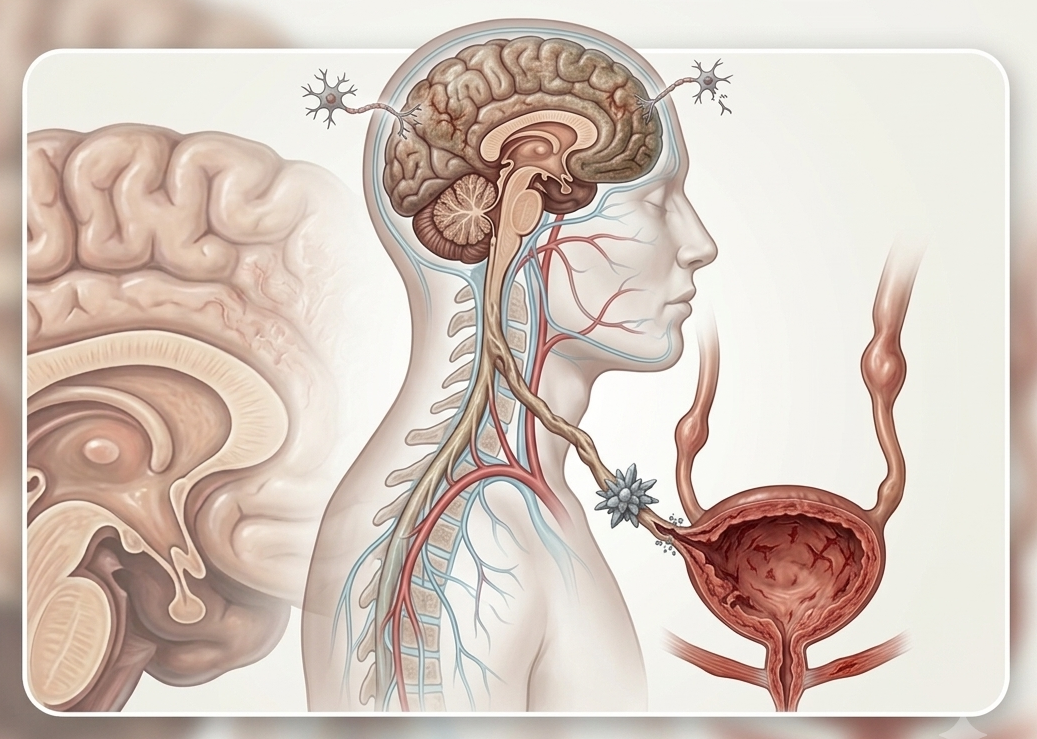

Many individuals who consume recreational doses of dissociative drugs suffer severe organic harm over time. Consequently, people struggling with ketamine bladder damage often fail to realize how quickly this habit destroys vital organ systems. Ketamine was originally designed as a fast-acting anesthetic for medical settings. However, frequent street use creates massive health risks for users across all age groups. Therefore, understanding these physical dangers can help individuals recognize early warning signs before irreversible harm occurs.
Understanding Ketamine Bladder Damage and Cognitive Impact
First, ketamine acts as a powerful dissociative agent that alters central nervous system signaling. As a result, individuals experience temporary emotional detachment, perceptual distortions, and reduced sensitivity to pain. In addition, repeated recreational consumption triggers major changes in brain structure over extended periods. For example, regular users frequently report memory impairment, shortened attention spans, and persistent mental confusion. Moreover, research shows that chronic exposure damages frontal lobe structures responsible for executive function and emotional regulation. Because of these neurological alterations, breaking substance dependency becomes increasingly difficult without structured medical support.
Furthermore, individuals suffering from ketamine bladder damage often cope with debilitating physical pain alongside mental decline. The drug alters key neurotransmitter pathways throughout the brain and spinal cord. Consequently, chronic users build tolerance rapidly, requiring larger amounts to achieve identical sensations. Therefore, the brain becomes dependent on the substance, triggering severe psychological cravings during abstinence. Similarly, mood fluctuations, depression, and heightened anxiety become frequent challenges for daily users.
How Substance Abuse Triggers Ketamine Bladder Damage
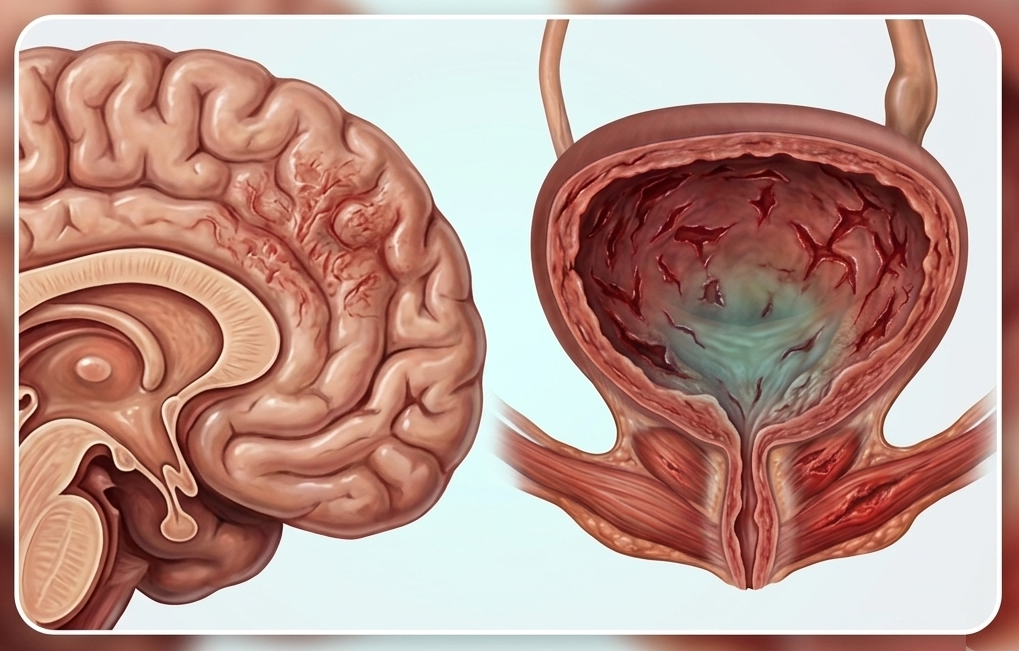
Additionally, the human urinary system faces extreme stress when filtering high concentrations of ketamine. As the liver processes the drug, it forms toxic chemical compounds known as norketamine. Afterwards, these aggressive metabolites flow directly through the kidneys into the urinary tract. For instance, as urine sits inside the bladder, these active compounds continuously attack the protective inner mucosal lining. Consequently, this persistent chemical irritation causes destructive ketamine bladder damage over months of exposure.
Eventually, the inner epithelial barrier degrades completely under chronic toxic strain. As a consequence, acidic metabolic waste comes into direct contact with sub-urothelial tissue. Furthermore, this ongoing exposure triggers severe chronic inflammation, tissue ulceration, and deep scarring. In addition, the muscular bladder wall gradually thickens and loses its natural elasticity. Therefore, the internal volume shrinks dramatically, leaving individuals unable to hold normal amounts of liquid.
Key Symptoms of Ketamine Bladder Damage
To recognize this medical condition, physicians look for distinct lower urinary tract complaints. Specifically, patients experiencing this damage report intense pelvic distress alongside severe disruptions to daily routines.
- Extreme Urgency: Users experience a sudden, uncontrollable urge to void urine every fifteen to twenty minutes throughout the day and night.
- Severe Pelvic Pain: Chronic tissue ulceration produces persistent burning pain in the lower abdomen, pelvic floor, and urethra.
- Incontinence and Hematuria: Advanced degradation leads to involuntary leakage, urinary frequency, and visible blood or tissue fragments in the urine stream.
Furthermore, severe cases frequently escalate into upper urinary tract dysfunction. Because the contracted, scarred bladder restricts healthy drainage, urine backs up into the ureters and kidneys. As a result, patients face kidney swelling and potential renal failure, which may require surgical repair or permanent dialysis. Therefore, noticing early indications of ketamine bladder damage requires prompt diagnostic evaluation.
How Neurological Changes Link to Ketamine Bladder Damage
Interestingly, central nervous system alterations directly compound urinary tract complications. Because ketamine disrupts standard pain transmission within the spinal cord, early organ distress often remains undetected. For instance, high doses temporarily mask severe bladder pain during early stage toxicity. Consequently, individuals continue using higher doses to self-medicate the exact lower body pain that the drug induces. In fact, this dangerous cycle accelerates urinary tract scarring while reinforcing psychological addiction.
Moreover, halting long-term ketamine bladder damage demands total cessation of the substance. However, quitting without help often proves difficult due to intense psychological withdrawal symptoms. Therefore, entering a professional detoxification center provides a safe foundation for physical stabilization. Specifically, medical teams administer non-addictive medications to ease systemic discomfort and manage rebound anxiety. Furthermore, clinical monitoring ensures proper hydration and kidney safety throughout initial recovery.
Pathways to Healing and Sustainable Recovery
Ultimately, reversing physical harm requires a comprehensive combination of urologic care and psychological treatment. For example, evidence-based therapies such as Cognitive Behavioral Therapy empower individuals to rebuild healthy coping mechanisms. In addition, specialized group support reduces emotional isolation during the healing process. Moreover, medical specialists can prescribe targeted therapies to protect damaged bladder tissues and reduce urinary pain.
In summary, treating ketamine bladder damage is possible when individuals access timely medical care and structured rehabilitation. However, early action remains crucial to preserve bladder capacity and prevent permanent kidney damage. Consequently, connecting with medical professionals provides the best opportunity for physical recovery and long-term health. Therefore, seeking professional support today lays the foundation for lasting restoration and well-being.