
Teenagers face complex social pressures and modern health risks every day. In recent years, cannabis vaping has become one of the most common substance trends among adolescents. Consequently, many parents feel confused and deeply concerned about these changing habits. Furthermore, modern devices allow teenagers to consume high-potency extracts without drawing immediate attention. Therefore, understanding the mechanics of these products helps parents guard their children against physical harm. In addition, early education empowers families to address delicate issues before severe complications develop. Above all, open conversations build strong bonds that encourage lasting recovery and safety.
Why Teens Are Turning to Cannabis Vaping Today
Many factors draw young people toward new substance trends in modern social settings. First, many teenagers mistakenly believe that inhaling vapor causes far less damage than traditional smoking. Indeed, clever advertising campaigns downplay the true physical hazards associated with chemical inhalation. As a result, young individuals underestimate how quickly concentrated oils can impact their growing bodies. Furthermore, social media platforms showcase sleek devices as fashionable lifestyle accessories. Consequently, youth perception shifts away from caution toward casual experimentation.
Second, peer dynamics create intense pressure inside schools and social circles. For example, teenagers often feel compelled to try new products to gain acceptance among friends. In contrast, youth who lack strong refusal skills may yield to subtle group expectations. Moreover, cannabis vaping offers an easy way for adolescents to hide their actions. Because vapor clouds dissipate rapidly, teens can experiment inside bedrooms or school restrooms undetected. Ultimately, this false sense of security encourages frequent daily use.
Third, adolescent mental stress plays a massive role in underlying substance experimentation. Today, teenagers experience elevated levels of academic anxiety and emotional distress. Therefore, some young people use concentrated extracts as an artificial coping mechanism. However, self-medicating with mind-altering substances actually worsens emotional stability over time. Consequently, what begins as a brief escape often turns into a continuous cycle of physical dependence. Understanding these underlying drivers helps parents respond with compassion rather than pure anger.
Hidden Dangers and Risks Behind Cannabis Vaping
Inhaling concentrated chemical compounds poses major threats to adolescent physical health. For instance, modern cartridges contain liquid extracts with extremely high levels of active THC. Consequently, a single puff delivers a massive chemical dose directly into the lungs. In addition, unsafe chemical additives can trigger severe pulmonary distress and irreversible organ tissue damage. In fact, national health agencies have linked toxic additives like vitamin E acetate to sudden lung injury outbreaks. Therefore, parents must view these products as serious medical threats.
- Respiratory Damage: Chemical vapors irritate delicate lung tissue, causing chronic coughing, asthma flare-ups, and severe pulmonary inflammation.
- Brain Development Delays: High doses of concentrated compounds disrupt key neural pathways that manage memory, focus, and decision-making skills.
- Mental Health Disruptions: Intense potency levels can trigger sudden panic, extreme paranoia, mood swings, and underlying psychotic episodes.
Furthermore, adolescent brain architecture remains under continuous construction until the mid-twenties. As a result, introducing potent mind-altering chemicals during this critical development window creates lasting cognitive damage. Specifically, daily users often experience declining academic performance and reduced attention spans. Moreover, chemical dependency sets in much faster in developing brains than in mature adults. Consequently, cannabis vaping disrupts overall personal growth and long-term potential.
Additionally, cardiovascular risks elevate significantly during active product usage. For example, inhaled compounds increase heart rate and alter normal blood pressure stability. As a result, vulnerable teens may experience chest tightness or dangerous cardiac arrhythmias. Furthermore, constant exposure builds rapid chemical tolerance. Therefore, teenagers consume increasingly higher doses to achieve identical effects. Ultimately, this trajectory increases the overall likelihood of severe psychological addiction.
How to Spot Paraphernalia Used for Cannabis Vaping
Identifying modern concealment methods requires sharp vigilance from parents. Today, manufacturers design concealed battery devices that closely mimic standard everyday objects. For instance, many vape pens look identical to digital USB drives, writing pens, or small car keys. Consequently, teenagers can leave these items on desks or bookshelves without raising suspicion. In addition, custom silicone sleeves hide distinct metallic components. Therefore, familiarizing yourself with these modern visual designs remains critical.
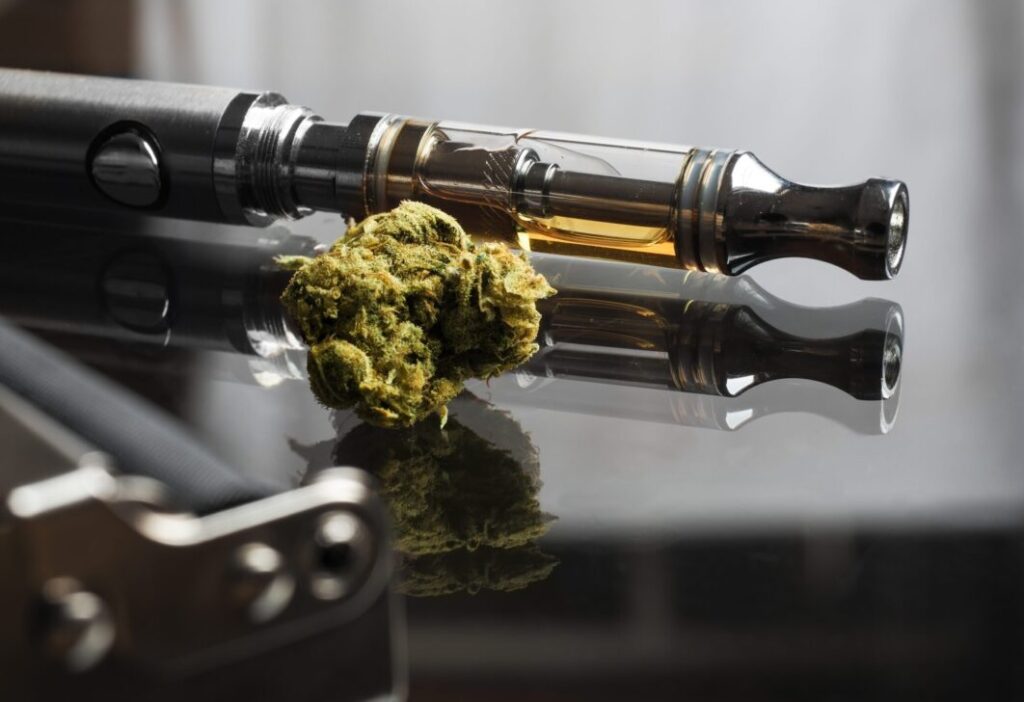
Furthermore, watching for specific physical paraphernalia helps parents uncover secret usage habits. Specifically, keep an eye out for small glass cartridges filled with thick golden oil. Moreover, tiny wax containers, metallic dab tools, and USB charging docks signal potential equipment storage. Likewise, unusual sweet or herbal scents inside bedrooms often indicate recent vapor usage. As a result, recognizing these physical signs allows you to intervene promptly.
- Disguised Battery Devices: Compact electronic tools shaped like flash drives, highlighters, or small key fobs.
- Pre-Filled Cartridges: Small glass or plastic cylinders containing amber liquid, thick wax, or concentrated oil.
- Unusual Charging Gear: Multiple detached USB cords, tiny battery docks, or spare electronic adapters.
In addition, behavioral shifts offer subtle clues regarding hidden substance use. For example, teens engaging in cannabis vaping may suddenly display uncharacteristic secrecy regarding personal belongings. Furthermore, you might notice unexplained spending, frequent bloodshot eyes, or sudden drops in academic motivation. Likewise, sudden changes in sleep schedules or social groups warrant careful parental attention. Consequently, noticing these red flags enables families to initiate open dialogues quickly.
Talking to Your Teen About Cannabis Vaping Openly
Approaching a sensitive conversation about substance use requires calm preparation and thoughtful timing. First, avoid confronting your child while you feel angry or emotionally overwhelmed. Indeed, explosive reactions cause teenagers to shut down and become defensive immediately. Instead, choose a quiet, neutral environment where you can speak without interruptions. Furthermore, state your observations clearly using calm and supportive language.
Second, practice active listening throughout the entire conversation. For example, ask open-ended questions about what they see among their peers at school. Next, allow your teenager to express their opinions without interrupting or lecturing them mid-sentence. Consequently, your child will feel respected rather than cornered or accused. Moreover, understanding their perspective helps you address the root causes of their choices.
Third, present objective medical facts rather than exaggerated scare tactics. Specifically, explain how cannabis vaping alters developing neural pathways and impairs physical health. In addition, establish firm, clear family boundaries regarding substance use inside the home. However, balance strict rules with unconditional personal love and continuous emotional support. Ultimately, letting your child know you care deeply about their future builds enduring trust.
Getting Professional Help for Cannabis Vaping Early
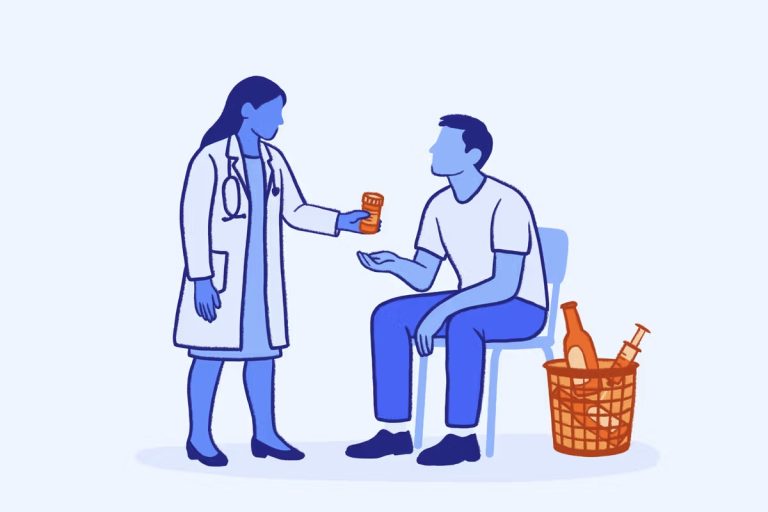
When simple home conversations are not enough, seeking professional intervention becomes essential. Fortunately, specialized adolescent treatment centers offer tailored recovery programs for young people. For instance, medical professionals conduct comprehensive health assessments to determine exact levels of dependency. Furthermore, clinical therapy addresses co-occurring issues like depression, anxiety, or social trauma. Consequently, comprehensive care targets both physical and mental well-being.
In addition, outpatient therapy allows teenagers to receive guidance while staying enrolled in school. Specifically, cognitive behavioral therapy teaches young individuals healthier stress management techniques. As a result, teens learn to resist peer pressure without resorting to chemical substances. Moreover, family counseling sessions rebuild broken trust and restore healthy communication dynamics at home.
Likewise, structured support groups offer valuable peer encouragement during recovery. Surrounded by peers who share similar struggles, teenagers realize they are not alone. Therefore, professional guidance provides the necessary tools for sustainable lifestyle changes. Do not hesitate to contact certified addiction specialists today to protect your child’s health and secure a brighter future.