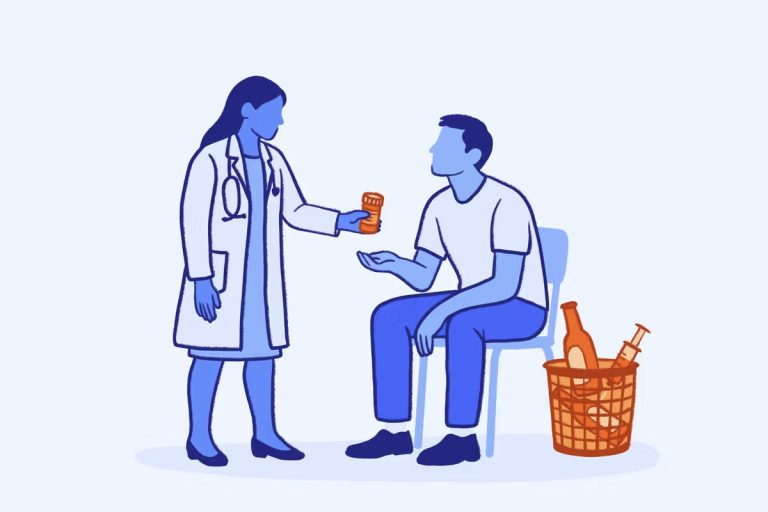
Overcoming substance abuse is a transformation that requires patient commitment over time. Many individuals want to know how long healing will take before starting treatment. However, every person moves through the addiction recovery timeline at a different speed. The healing process is not a quick fix or a straight line. Instead, it involves distinct stages that guide a person from initial detox to lasting lifestyle changes. Consequently, learning what to expect helps families and individuals prepare for each milestone along the way.
Because physical and emotional healing happens gradually, setting clear expectations is vital. Therefore, understanding the addiction recovery timeline gives patients a sense of direction during difficult moments. By focusing on continuous progress rather than speed, individuals can build a strong foundation for sobriety.
Recognition and Early Assessment
Before medical treatment begins, a person must first recognize that a problem exists. Acknowledging substance dependence is often the hardest initial step because denial can mask reality. However, accepting the need for professional help opens the door to active recovery.
Once a person agrees to seek help, clinicians conduct a full health evaluation. During this assessment, experts look at physical health, addiction severity, and mental well-being. As a result, care teams can create a personalized treatment plan suited to specific individual needs.
Medical Detoxification and Withdrawal
The medical detox process marks the physical start of the journey. During this phase, the body naturally clears itself of harmful substances under constant medical care. Consequently, doctor supervision keeps patients safe when withdrawal symptoms appear.
Withdrawal symptoms vary depending on the substance used and the duration of abuse. Typically, detox lasts between five to fourteen days. Although detox addresses physical dependence, it does not cure psychological addiction on its own. Thus, moving directly into structured therapeutic care remains critical for long-term success.

Inpatient Rehabilitation and Core Therapy
After finishing detox, patients transition into residential or intensive outpatient care. This stage usually spans thirty to ninety days depending on individual needs. In this structured environment, patients spend their days exploring the root causes of their behavior.
Furthermore, individual therapy and group sessions teach vital coping strategies. Patients learn to identify personal triggers, handle stress, and manage emotional discomfort without substances. Because residential treatment removes daily distractions, patients can focus completely on personal growth and behavioral changes.
Mid-Stage Recovery and Skill Development
The mid-stage of the addiction recovery timeline generally occurs between three and six months. During this time, individuals transition back into daily routines while maintaining clinical support. Therefore, practicing new coping skills in real-world situations becomes the main focus.
Moreover, people in mid-stage recovery work to rebuild personal relationships and establish daily structure. They often join local support groups or attend regular counseling sessions to stay accountable. Consequently, building healthy daily habits protects sobriety during times of unexpected stress.
Key Factors Affecting the Addiction Recovery Timeline
No two recovery paths look identical because personal circumstances heavily influence progress. For instance, someone with severe addiction may require longer residential care than someone with mild dependence. Understanding these variables helps set realistic personal milestones.
- Type and Duration of Substance Use: Heavier, long-term drug or alcohol use requires extended time for organ healing and neurological balance.
- Co-Occurring Mental Health Disorders: Addressing anxiety, depression, or trauma alongside addiction requires specialized, integrated care.
- Quality of Support Systems: Having encouraging family members and friends greatly improves long-term outcomes.
- Personal Readiness and Motivation: Active engagement in therapy speeds up emotional growth and resilience.
Maintaining Sobriety in Long-Term Recovery
Long-term maintenance extends from six months onward and lasts a lifetime. Sobriety requires ongoing effort, regular self-care, and continuous lifestyle adjustments. Thus, long-term care focuses on preventing relapse and maintaining personal health.
In this ongoing phase, individuals participate in alumni programs, peer support groups, and periodic therapy sessions. Additionally, removing toxic environments and avoiding known triggers safeguards daily progress. Over time, living a clean, fulfilling life becomes natural and deeply rewarding.
Navigating Your Journey to Personal Healing
Healing from substance dependence is a continuous process of growth and self-discovery. Although the path presents challenges, following a structured care plan makes long-term sobriety achievable. Because each milestone brings renewed strength, celebrating small victories along the way builds lasting confidence.
Remember that seeking professional guidance provides the necessary tools for permanent change. By staying committed to the addiction recovery timeline, you or your loved one can successfully rebuild a healthier, brighter future.