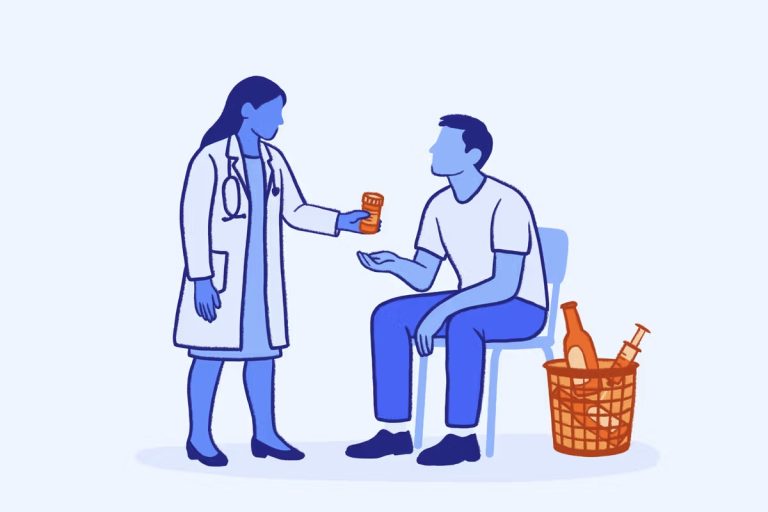

Finding a rehab center near me can feel like a major step toward recovery. However, choosing the right program takes careful thought. Every person has different needs, challenges, and recovery goals. Therefore, it helps to understand the types of care available before making a decision. With the right information and professional guidance, people can find treatment that fits their needs and supports long-term recovery.
Why Finding a Rehab Center Near Me Matters
Location can play an important role in addiction treatment. A rehab center near me may make it easier to attend appointments and maintain regular contact with loved ones. Moreover, a convenient location can reduce some of the practical challenges that come with starting treatment. Family support can also become an important part of recovery. When treatment is reasonably accessible, family members may find it easier to participate in approved visits, counseling, or educational sessions. As a result, patients may have more opportunities to build a strong support network.
Still, distance should not be the only factor. Treatment quality, available services, staff experience, program structure, and individual needs also deserve attention. Therefore, people should consider the complete treatment experience rather than choosing a facility based only on location.
Understanding Addiction Treatment Programs
Addiction treatment can take several forms. Residential programs provide a structured setting where people can receive ongoing support while focusing on recovery. Meanwhile, outpatient programs allow patients to receive treatment while continuing certain responsibilities at home, work, or school. Furthermore, treatment may involve individual counseling, group therapy, behavioral support, education, and recovery planning. Some programs also provide medical supervision when appropriate.
The right level of care depends on several factors. These may include substance use patterns, personal history, physical health, mental health needs, home environment, and previous treatment experiences. Consequently, a professional assessment can help determine which type of program may be appropriate. People should avoid choosing a treatment level based only on what worked for someone else.

What to Consider When Choosing a Rehab Center Near Me
Searching for a rehab center near me is only the first step. Next, it is important to learn what each facility offers. A good search should focus on whether the program matches the person’s recovery needs. Start by reviewing the treatment services. Find out whether the facility offers residential care, outpatient services, counseling, medical support, or other relevant programs. Also, ask how treatment plans are created and adjusted.
Next, consider the staff. Qualified professionals can provide guidance throughout different stages of treatment. Their experience may also help patients manage challenges that arise during recovery. The treatment environment matters as well. A safe and supportive setting can help people focus on their recovery goals. Therefore, asking questions about daily routines, supervision, privacy, and family involvement can provide useful insight.
Finally, review practical details such as program length, admission requirements, payment options, insurance, and transportation. Clear information can make the admission process easier to manage.
The Role of Personalized Addiction Treatment
No two recovery journeys are exactly the same. For that reason, personalized treatment can be valuable. A treatment plan should consider the person’s history, current needs, strengths, and recovery goals. For example, one person may need a structured residential environment. Another person may benefit from outpatient counseling and regular support. Similarly, someone with a history of relapse may require a different approach from someone entering treatment for the first time.
Moreover, treatment needs can change over time. A person may begin with intensive care and later move to a less structured program. This gradual transition can help patients build confidence while continuing to receive support. Therefore, flexibility is an important part of many recovery plans. Regular communication with treatment professionals can help identify when changes may be useful.
How Therapy Supports Addiction Recovery
Therapy is often an important part of addiction treatment. Counseling can help people understand behaviors, triggers, emotions, and situations connected to substance use. Individual therapy provides private time to discuss personal concerns. Meanwhile, group therapy can help people connect with others who have faced similar challenges. These conversations may reduce feelings of isolation and encourage healthy communication.
Family therapy can also be helpful in suitable situations. Addiction can affect relationships, trust, and communication. With professional guidance, families may learn healthier ways to support recovery. In addition, therapy can help people develop practical coping skills. These skills may become especially important when stress, cravings, or difficult emotions appear after treatment.
Preparing for Your First Treatment Step
Starting treatment can bring mixed emotions. Some people may feel hopeful, while others may feel uncertain or nervous. These feelings are common, and preparation can make the process easier. First, gather important medical and personal information. This may include current medications, previous treatment history, and relevant health information. Next, ask the treatment provider about what to bring and what to expect during admission.
It can also help to tell trusted family members or friends about the decision to seek treatment. Their support may provide encouragement during difficult moments. Most importantly, focus on taking one step at a time. Recovery does not happen overnight. Instead, it develops through consistent effort, professional support, healthy routines, and ongoing care.
What to Expect During Recovery
Recovery is a process rather than a single event. Treatment may begin with an assessment and a plan based on individual needs. From there, patients may participate in counseling, educational sessions, behavioral support, or other services. During treatment, people may learn how to recognize triggers and manage difficult situations. They can also develop healthier routines and strategies for maintaining sobriety.
After completing an initial program, continuing care may become important. Support groups, counseling, outpatient services, and other recovery resources can help people maintain progress. Therefore, it is useful to ask a rehab center near me about aftercare before entering treatment. A strong transition plan can help patients understand what support will be available after the main treatment program ends.
Building a Strong Recovery Support System
Recovery becomes easier to manage when people have reliable support. Friends, family members, counselors, peer groups, and other trusted individuals can all play different roles. However, support should also respect personal boundaries. Recovery is an individual process, and each person may need different types of help.
Healthy daily habits can also support recovery. Regular sleep, nutritious meals, physical activity, meaningful activities, and stress-management practices can contribute to overall well-being. Additionally, staying connected with positive people can reduce isolation. Over time, these connections may help reinforce healthy choices and recovery goals.
Taking the Next Step Toward Treatment
Choosing a rehab center near me can be an important part of beginning addiction recovery. However, the closest facility is not automatically the right choice. People should consider treatment services, professional support, program structure, environment, cost, and continuing care. Most importantly, seeking help is a meaningful step. Addiction can affect many areas of life, but professional treatment can provide structure and support during the recovery process.
Take time to ask questions and discuss available options with qualified treatment professionals. With appropriate care and continued support, people can work toward healthier routines and a more stable future.Top of Form