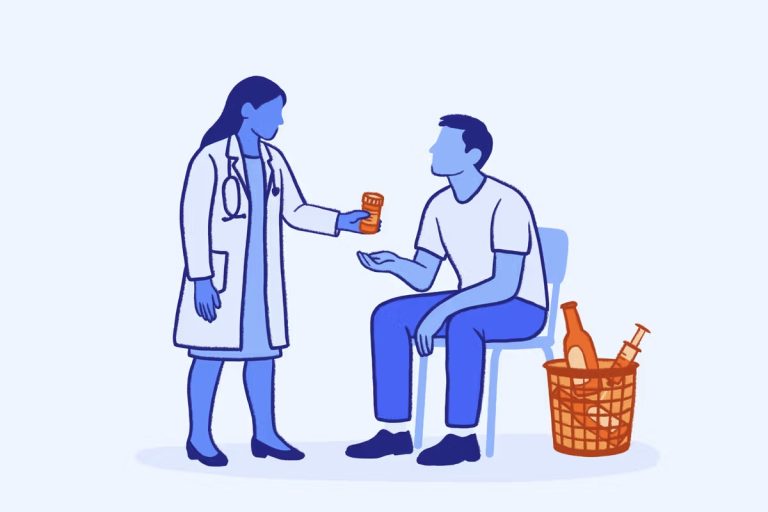

Nutrition and addiction recovery are closely connected because the body needs essential nutrients to repair itself and maintain good health. Long-term substance use can affect appetite, digestion, sleep, and eating habits. As a result, some people enter recovery with low energy, poor nutrition, and vitamin or mineral deficiencies. However, healthy eating can help the body regain strength and support daily well-being. Balanced meals provide protein, carbohydrates, healthy fats, vitamins, and minerals that the body needs to function properly. In addition, regular meals can help establish a steady routine during treatment.
Recovery involves more than stopping alcohol or drug use. It also includes caring for physical health, managing stress, and developing habits that support long-term progress. Although food cannot cure addiction on its own, good nutrition can play an important role alongside professional treatment and emotional support.
How Addiction Can Affect Nutritional Health
Substance use can change the way people eat and how their bodies use nutrients. For example, some substances reduce appetite, while others can increase cravings for certain foods. Consequently, a person may skip meals, eat at irregular times, or rely on foods that provide little nutritional value.
Long-term alcohol use can also interfere with nutrient absorption and increase the risk of deficiencies. Furthermore, poor hydration, digestive problems, and changes in sleep may affect physical health during active substance use and early recovery. These challenges can lead to fatigue, weakness, difficulty concentrating, and changes in mood. However, the effects vary from person to person. Therefore, a healthcare professional may assess nutritional status and recommend suitable dietary changes.

Why Nutrition and Addiction Recovery Matter Together
Nutrition and addiction recovery work together to support physical healing, emotional balance, and healthier daily routines. During recovery, the body may need time to address the effects of substance use. Therefore, eating a variety of nutritious foods can help meet the body’s changing needs.
Supporting Physical Recovery
The body needs protein to maintain muscles and repair tissues. It also needs vitamins and minerals to support the immune system and normal body functions. Foods such as eggs, beans, fish, lentils, yogurt, and nuts can help provide these nutrients. In addition, whole grains, fruits, and vegetables provide fiber and other essential nutrients. A varied diet can also help improve energy levels when combined with adequate sleep and hydration.
However, people with severe malnutrition or certain medical conditions may need a more specialized nutrition plan. A registered dietitian or healthcare provider can help identify these needs and recommend appropriate care.
Supporting Mental Health
Food also supports normal brain function. For instance, protein provides amino acids that the body uses to produce neurotransmitters involved in mood and other functions. Meanwhile, healthy fats and essential vitamins support general brain health.
Moreover, eating regularly may help reduce hunger-related irritability and energy fluctuations. This can make it easier to participate in counseling, follow daily routines, and manage everyday responsibilities. Nevertheless, nutrition alone cannot treat depression, anxiety, or addiction. Professional mental health care remains important when these concerns affect recovery.
Essential Nutrients for Addiction Recovery
A balanced diet includes several types of nutrients. Each has a different role in maintaining health, so variety matters more than relying on a single food or supplement. Protein supports muscle maintenance and tissue repair. Good sources include eggs, fish, chicken, tofu, beans, lentils, and dairy products. Complex carbohydrates provide energy throughout the day. Oats, brown rice, whole-wheat bread, and other whole grains can help make meals more satisfying. Healthy fats support normal cell function and help the body absorb vitamins A, D, E, and K. Nuts, seeds, olive oil, avocados, and oily fish are useful sources.
Vitamins and minerals support many processes, including nerve function, immunity, and bone health. Fruits, vegetables, legumes, dairy products, and whole grains provide a range of these nutrients. In addition, water helps maintain hydration and normal body functions. People who have experienced vomiting, diarrhea, or poor fluid intake may need additional assessment. Some individuals also develop deficiencies in thiamine, folate, vitamin B12, magnesium, or other nutrients. Therefore, healthcare professionals may recommend blood tests, dietary changes, or supplements when appropriate. High-dose supplements should not be taken without medical guidance.
Building Healthy Eating Habits During Recovery
Nutrition and Addiction Recovery become easier to manage when healthy choices fit naturally into everyday life. A complicated diet is not always necessary. Instead, small and consistent changes can help people develop a more stable eating routine. Start by eating meals at regular times. Even when appetite is low, smaller meals or snacks may make it easier to get enough nourishment. Include a source of protein, a carbohydrate-rich food, and fruits or vegetables whenever practical.
For example, breakfast might include oats with yogurt and fruit. Lunch could include rice, lentils, and vegetables, while dinner might feature fish or tofu with whole grains and cooked vegetables. These simple meals provide a range of nutrients without requiring an expensive meal plan. Furthermore, keep water available throughout the day and limit excessive caffeine when it affects sleep or anxiety. Try to plan meals ahead when possible, since fatigue and busy schedules can make regular eating difficult. Most importantly, avoid judging progress by perfection. Some days will be easier than others. Gradually building healthier habits can be more realistic than making many major changes at once.
Managing Common Nutrition Challenges
Eating well during early recovery can be difficult. Changes in appetite, nausea, constipation, sleep problems, and food cravings may affect eating habits. In addition, preparing meals may feel overwhelming when a person is adjusting to new routines. Fortunately, simple strategies can help. Choose easy-to-prepare foods, keep nutritious snacks available, and eat smaller portions when large meals feel uncomfortable. Foods such as bananas, oatmeal, soup, yogurt, and toast may be easier to tolerate during periods of mild digestive discomfort.
However, persistent vomiting, severe weakness, dehydration, or an inability to eat requires medical attention. People who have consumed large amounts of alcohol over a long period may also face serious nutritional risks, including thiamine deficiency. Medical assessment is particularly important in these circumstances. It is also helpful to seek support from a registered dietitian when food choices, weight changes, or nutritional deficiencies become difficult to manage. Personalized guidance can make healthy eating more practical and appropriate for individual needs.
The Role of Nutrition in Long-Term Recovery
Nutrition and addiction recovery remain important beyond the initial stages of treatment. Over time, regular meals and balanced food choices can help support energy, physical health, and a consistent daily routine. In addition, planning meals and shopping for groceries can create structure. Preparing food at home may also encourage independence and help people reconnect with everyday activities. When possible, sharing meals with supportive friends or family members can provide a sense of connection.
Nevertheless, recovery requires a broader approach. Medical care, counseling, appropriate addiction treatment, sleep, physical activity, and social support all contribute to overall well-being. Healthy eating should complement these services rather than replace them. People should also understand that setbacks do not erase progress. Instead, they can discuss challenges with their care team and adjust their routines as needed. A flexible approach can help make healthy habits easier to maintain over time.
Taking the Next Step Toward Better Health
Good nutrition provides an important foundation for physical healing and overall well-being during addiction recovery. By eating balanced meals, staying hydrated, and addressing nutritional deficiencies, individuals can give their bodies the support they need. However, no single diet guarantees recovery. The most appropriate approach depends on a person’s health, nutritional needs, and treatment plan. Working with qualified healthcare professionals can help ensure that dietary changes support safe and effective care.
Ultimately, small steps can make a meaningful difference. Regular meals, nutritious foods, adequate fluids, and ongoing professional support can help people develop healthier routines while working toward lasting recovery.