
The brain uses a complex network of chemical messengers to control mood, sleep, movement, stress, and many other functions. One of the most important of these messengers is gamma-aminobutyric acid, commonly called GABA. It helps calm brain activity and supports balance within the nervous system. However, drugs and alcohol can interfere with this balance. Therefore, understanding GABA and Addiction can help explain why some substances feel calming at first but may later contribute to tolerance, dependence, and withdrawal.
Addiction is not simply a matter of willpower. Instead, it involves changes in the brain’s reward, motivation, and stress systems. GABA plays a role in these processes, although it works alongside several other neurotransmitters. Consequently, learning about GABA can provide a clearer picture of how substance use affects the brain and why professional treatment can be so important.
Understanding GABA and Addiction
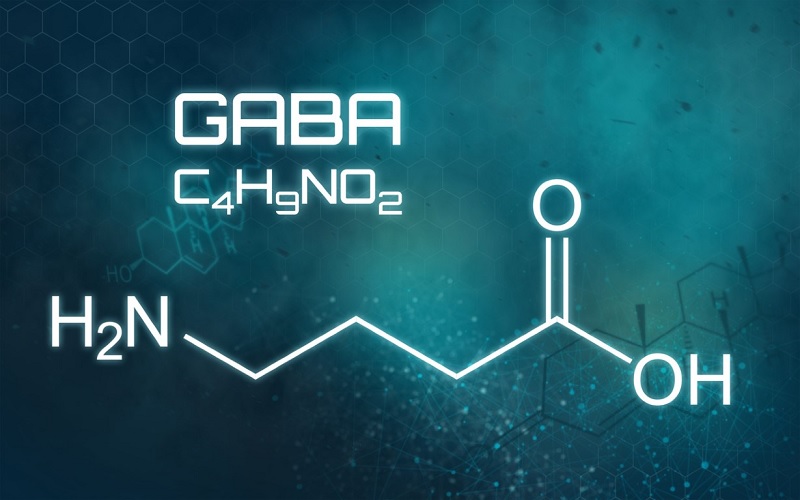
GABA is the brain’s primary inhibitory neurotransmitter. In simple terms, it helps slow down nerve activity. This calming effect allows the brain to maintain a healthy balance between stimulation and relaxation. The nervous system constantly receives signals. Some neurotransmitters increase activity, while others reduce it. GABA belongs to the second group. Therefore, it helps prevent the brain from becoming excessively active. GABA also influences several functions that affect daily life. These include sleep, muscle control, anxiety, and stress responses. When GABA activity works normally, it can help the brain remain calm and stable.
However, addictive substances can alter this delicate system. Alcohol and certain sedative drugs, for example, can increase inhibitory effects in the brain. As a result, a person may initially feel relaxed, less anxious, or sleepy. Over time, however, repeated substance use can cause the brain to adapt. The brain may become less responsive to the substance’s effects. Consequently, a person may need more of the substance to experience the same result. This process is known as tolerance. Eventually, physical or psychological dependence may develop. At that point, stopping the substance can cause uncomfortable or even dangerous symptoms. Therefore, the relationship between GABA and substance use deserves careful attention.
How GABA Helps Regulate Brain Activity
To understand addiction, it helps to first understand how GABA normally works. GABA communicates with specialized proteins called GABA receptors. When GABA binds to these receptors, it can reduce the likelihood that certain nerve cells will become active. This action helps control excessive brain stimulation. There are different types of GABA receptors. The two major types are GABA-A and GABA-B receptors. They work in different ways, yet both contribute to the brain’s inhibitory system.
GABA-A receptors respond quickly. They are closely associated with the effects of substances such as alcohol and certain sedative medications. GABA-B receptors act more slowly and influence longer-lasting signals. Because GABA affects brain activity, changes in this system can influence how a person feels. Increased inhibitory activity may lead to relaxation and drowsiness. On the other hand, reduced GABA activity may contribute to anxiety, restlessness, and heightened nervous system activity. This balance becomes especially important during addiction and withdrawal. When the brain adapts to repeated exposure to a substance, its natural systems may shift. Therefore, suddenly removing the substance can leave the nervous system in an overactive state.
The Link Between Alcohol and the GABA System
Alcohol is one of the substances most commonly associated with changes in GABA activity. When a person drinks alcohol, it can enhance the effects of GABA in the brain. As a result, alcohol may produce feelings of relaxation and reduced anxiety. At the same time, alcohol affects other neurotransmitter systems. It can influence glutamate, dopamine, and the brain’s reward pathways. Therefore, addiction develops through several interconnected mechanisms rather than one single chemical pathway. With repeated alcohol use, the brain attempts to restore balance. It may adjust its natural activity in response to the continued presence of alcohol. Consequently, a person who drinks regularly may develop tolerance.
Once dependence develops, stopping alcohol suddenly can cause the brain to become highly active. This can lead to withdrawal symptoms such as anxiety, shaking, sweating, insomnia, nausea, and agitation. In severe cases, alcohol withdrawal can cause seizures or delirium tremens. Therefore, people who drink heavily or regularly should not assume that suddenly stopping is always safe. Medical guidance may be necessary, especially when dependence is suspected.

GABA and Addiction: The Role of Sedative Drugs
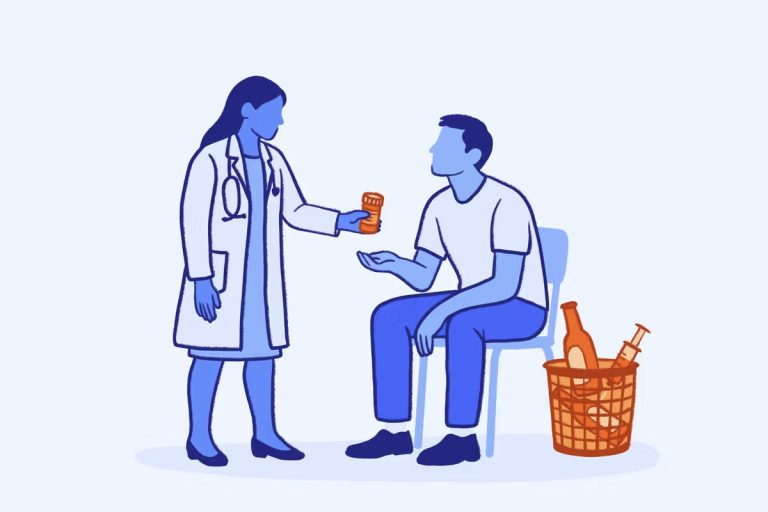
Alcohol is not the only substance that interacts with GABA pathways. Certain medications and drugs can also affect GABA receptors. Benzodiazepines are one example. Doctors may prescribe these medications for conditions such as anxiety, panic disorders, or insomnia. They work mainly by increasing the effect of GABA-A receptors. When used exactly as prescribed, these medicines can provide important medical benefits. However, long-term or inappropriate use can lead to tolerance and dependence.
As tolerance develops, a person may feel that the original dose no longer produces the same effect. They may then feel tempted to take more than prescribed. Over time, this pattern can increase the risk of dependence. Withdrawal from benzodiazepines can also be serious. Symptoms may include anxiety, sleep problems, irritability, tremors, and other physical or psychological effects. In some cases, severe withdrawal can involve seizures. Therefore, people who have been taking benzodiazepines regularly should generally discuss any plans to reduce or stop the medication with a healthcare professional. Gradual dose reduction may be recommended in many situations.
How Addiction Changes the Brain
Addiction involves much more than one neurotransmitter. Instead, it affects several connected brain systems. The reward system is particularly important. Substances can stimulate pathways linked to pleasure and reinforcement. Dopamine plays a major role in this process. However, GABA also interacts with these pathways. For example, changes in GABA activity can influence the release of dopamine in certain parts of the brain. As a result, substances that affect GABA may indirectly influence feelings of reward.
Repeated substance use can strengthen connections between the substance and certain experiences. A person may begin to associate specific places, people, emotions, or situations with drug or alcohol use. Over time, these associations can trigger powerful cravings. Therefore, addiction can continue even when a person understands the negative consequences of substance use. Furthermore, chronic substance use can affect decision-making and impulse control. This can make it harder for someone to stop without support. The brain can, however, recover and adapt. With sustained abstinence and appropriate treatment, many people experience improvements in brain function and emotional stability.
GABA and Addiction During Withdrawal
Withdrawal occurs when a person who has developed dependence reduces or stops using a substance. Symptoms vary depending on the substance, dose, duration of use, and individual health. GABA-related substances can create particular challenges during withdrawal. This is because the brain may have adapted to increased inhibitory activity. When the substance disappears, the brain may temporarily become more active than normal. Consequently, a person may experience anxiety, irritability, restlessness, or insomnia.
Alcohol and benzodiazepine withdrawal can be especially serious. In some cases, withdrawal may involve seizures or other medical complications. Therefore, professional supervision is important for people at risk of severe withdrawal. A medically supervised detox program can help manage symptoms safely. Depending on the substance involved, healthcare professionals may use medications and gradual tapering strategies to reduce risks. However, detox is only the first stage of recovery. It addresses the immediate physical effects of stopping substance use. It does not, by itself, resolve the psychological, behavioral, or social factors that contribute to addiction.
Why GABA Matters in Addiction Treatment
Understanding GABA and Addiction can help healthcare professionals develop better treatment strategies. However, treatment must address the whole person rather than focusing on one neurotransmitter. Medical care may be needed during detox. Afterward, therapy can help individuals understand the causes and triggers behind their substance use. Cognitive behavioral therapy, for example, can help people identify unhealthy thought patterns and develop healthier coping skills. Other approaches may focus on motivation, trauma, relationships, or relapse prevention.
In addition, peer support can provide valuable encouragement. Recovery often becomes easier when people have access to a supportive community. Lifestyle changes may also contribute to long-term well-being. Regular sleep, physical activity, balanced nutrition, and stress management can support overall brain health. However, these strategies should complement professional care rather than replace it. Addiction is a complex condition, and each person’s recovery plan should reflect their individual needs.
Can GABA Levels Be Improved Naturally?
People sometimes search for ways to increase GABA naturally. Certain activities may support healthy brain function and relaxation. Exercise, meditation, adequate sleep, and stress reduction can all contribute to better emotional well-being. Some foods and supplements are also marketed as ways to influence GABA. However, the evidence for many supplements remains limited. Furthermore, supplements can interact with medications or cause unwanted effects.
Therefore, people should speak with a healthcare professional before taking supplements for anxiety, sleep, or addiction-related concerns. It is also important to remember that addiction cannot be treated simply by increasing GABA. Substance dependence involves multiple brain pathways and behavioral factors. Instead, a comprehensive approach is usually more effective. Medical treatment, therapy, social support, and long-term recovery planning can work together to address the wider problem.
Recognizing the Signs of Substance Dependence
Substance dependence does not always look the same for everyone. However, certain warning signs may indicate that professional support is needed. A person may begin using more of a substance than intended. They may also spend increasing amounts of time obtaining, using, or recovering from it. Another warning sign is continuing to use a substance despite negative consequences. These consequences might affect health, work, education, finances, or relationships.
Tolerance can also be a concern. A person may need larger amounts to experience the same effects. Similarly, withdrawal symptoms may appear when they reduce or stop using the substance. Additionally, people may lose interest in activities they once enjoyed. They may withdraw from family and friends or struggle to manage everyday responsibilities. These signs do not mean that someone is weak or lacking self-control. Instead, they may indicate changes in brain function associated with addiction.
Therefore, early support can make a meaningful difference. A healthcare provider or addiction specialist can help assess the situation and recommend appropriate care.
GABA and Addiction: Why Recovery Takes Time
Recovery is rarely a simple or instant process. The brain needs time to adjust after prolonged substance exposure. During early recovery, some people experience sleep problems, anxiety, mood changes, or strong cravings. These symptoms can improve gradually, although the timeline varies. Moreover, emotional triggers can remain long after physical withdrawal ends. Stress, loneliness, trauma, and social pressure may increase the risk of relapse.
Therefore, ongoing support is often essential. Therapy can help people understand their triggers and develop healthier responses. Meanwhile, support groups can reduce feelings of isolation. Relapse, when it occurs, does not mean that recovery has failed. Instead, it can signal that the treatment plan needs adjustment. Seeking help quickly can prevent a temporary setback from becoming a return to long-term substance use.
Supporting a Healthier Brain After Addiction
The brain has a remarkable ability to adapt. Although addiction can cause significant changes, recovery can also lead to positive changes over time. Healthy routines can support this process. Regular sleep helps regulate mood and cognitive function. Exercise can improve physical health and may support emotional well-being. A balanced diet provides the nutrients the body needs for normal function. Furthermore, reducing stress can be valuable. Techniques such as mindfulness, breathing exercises, and relaxation practices may help people manage difficult emotions without relying on substances.
Social connection matters as well. Supportive relationships can provide encouragement and accountability during recovery. However, recovery should not be viewed as a race. Every person’s journey is different. Some people may need long-term treatment, while others may benefit from periodic professional support. The most important step is finding a safe and sustainable approach.
Understanding the Brain Can Support Better Recovery
The relationship between brain chemistry and addiction is complex. GABA is one important part of that picture, but it is not the only factor involved. GABA and Addiction are connected through the way inhibitory brain signals interact with substances such as alcohol and certain sedative drugs. Repeated exposure can change the brain’s natural balance. As a result, tolerance and dependence may develop, and withdrawal can become difficult or dangerous.
Fortunately, addiction is treatable. Professional medical care can help manage withdrawal risks, while therapy can address the emotional and behavioral causes of substance use. In addition, strong social support and healthy routines can help people maintain progress. Most importantly, understanding the science behind addiction can reduce stigma. People struggling with substance dependence deserve compassion, respect, and access to effective care. With the right support, recovery is possible, and the brain can gradually adapt to a healthier way of functioning.