For a lot of people, the scariest part of quitting heroin isn’t imagining life without drugs; its imagining the hell of heroin withdrawal. It’s the stretch in between: the sweats, the aching legs, the stomach cramps, the nights that never seem to end – the dawn that never seems to come. The blinding fear of heroin withdrawal keeps many people using long after they’ve decided that they want to stop.
Heroin detox is hard, but it’s also predictable and, above all, treatable. Knowing what to expect, and what medical support can do, can make that first and second step feel a lot more possible.
Why Heroin Withdrawal Happens
When you use opioids like heroin regularly, your brain and body adapt to having it around. That compensation is what causes withdrawal. Opioids slow many of the body’s systems down, so your nervous system compensates by revving itself up. When the heroin suddenly stops, nothing is holding that system back anymore. The result is heroin withdrawal, a dopamine/endorphins/chemical rebound that can feel like the worst flu of your life, layered with anxiety, palpitations and powerful cravings.
The Heroin Withdrawal Timeline
Everyone’s experience with opioid and heroin withdrawal is different. How long you’ve used, how much you’ve used over your life, your overall health, and whether other substances are involved all shape the withdrawal timeline. For most people, though, heroin withdrawal follows a general (highly predictable) pattern.
6 to 12 Hours After the Last Dose
Early symptoms usually show up within hours. Anxiety, restlessness, yawning, a runny nose, watery eyes, sweating, and muscle aches are common, along with cravings that keep building.
Days 1 to 3
This is typically when withdrawal peaks. Stomach cramps, nausea, vomiting, diarrhea, chills, goosebumps, a racing heart, and sleeplessness can all hit at once. For people trying to detox alone, this is often the point where they use again just to make it stop.
Days 4 to 10
Physical symptoms gradually ease over the rest of the first week or so, though fatigue, a poor appetite, and restless sleep often linger.
The Weeks That Follow
Even after the acute phase passes, some people deal with low mood, anxiety, disrupted sleep, and cravings that come in waves for weeks or months. This lingering phase is a big reason detox works best as the first step of treatment rather than the whole plan.
How Fentanyl Has Changed Heroin Detox
Heroin detox today looks different than it did a decade ago. The heroin supply is now widely contaminated with laced fentanyl, often without the person in question, the user, even knowing it. Fentanyl can make withdrawal less predictable, and for some people it stretches the timeline out. It also affects when medications like buprenorphine can be started safely. Starting buprenorphine too soon after fentanyl can set off sudden, severe symptoms known as precipitated withdrawal, so timing and dosing should be handled by an experienced medical team.
Is It Safe to Detox From Heroin at Home?
Opioid withdrawal is rarely life-threatening on its own for an otherwise healthy adult, but that doesn’t make detoxing alone safe. Days of vomiting and diarrhea can lead to dehydration and dangerous electrolyte imbalances, and withdrawal can put real strain on the heart, especially for people with existing health problems. It can also deepen anxiety and depression.
Many people aren’t using heroin alone, either. A review of Allen County overdose deaths from 2008 to 2023 found more than one substance involved in about two-thirds of them. Withdrawal from alcohol or benzodiazepines can cause seizures, which is one more reason a full medical assessment matters before detox begins.
The biggest danger usually comes after the worst symptoms fade. Detox lowers your tolerance quickly, so using again at your old dose sharply raises the risk of a fatal overdose. Anyone who uses heroin, and anyone who loves someone who does, should keep naloxone (Narcan) nearby. You can buy it without a prescription at most pharmacies. If someone is unresponsive or not breathing normally, call 911.
What Medical Heroin Detox Looks Like at Indiana Heroin Rehab Centers
At a quality Indiana heroin rehab center, medically supervised detox begins with an individualized assessment of your substance use history, your physical health, and any co-occurring mental health conditions that may precipitate a broader breakdown during withdrawal. People suffering from withdrawal and mental health issues may have their mental health conditions exaggerated by the ravages of chemical withdrawal. That assessment shapes a withdrawal plan designed to keep you safe and as comfortable as possible, while you’re struggling with any form of substance withdrawal.
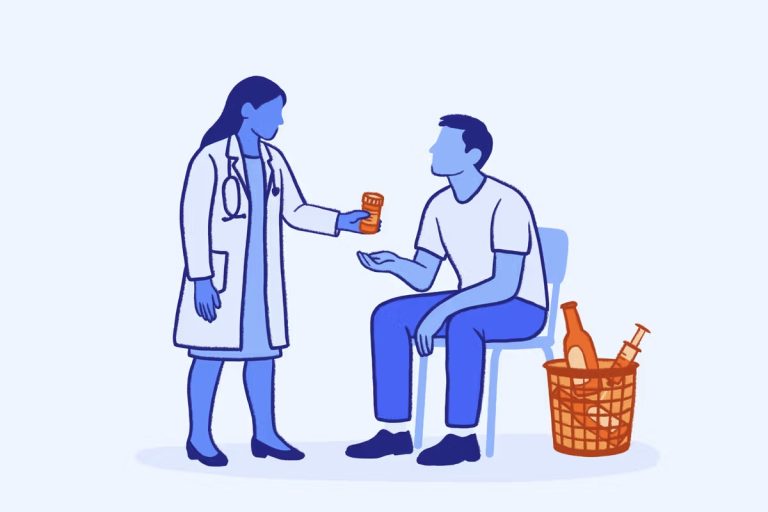
Throughout detox, the team monitors your heart rate, blood pressure, and breathing around the clock. Nurses are on-site, physicians or advanced practice providers are available, and withdrawal medications are given under supervision. Depending on your needs, that may include buprenorphine to ease withdrawal and cravings, along with non-opioid medications for nausea, diarrhea, muscle aches, anxiety, and sleeplessness. For more on how these medications work, see The Role of Medication-Assisted Treatment in Opioid Recovery. Trained behavioral health professionals are also available 24/7, because detox is just as hard on the mind as it is on the body.
So how long does heroin detox take? Well, it varies. For many people, the acute phase lasts about a week. A detox stay at an Indiana Medicaid heroin rehab center can run anywhere from a few days to two weeks or more, depending on what your body needs.
Detox Is the Beginning, Not the Finish Line
The National Institute on Drug Abuse has made this point for years: detox manages withdrawal, but on its own it does little to change long-term drug use. The patterns, triggers, and pain behind the addiction are still there when the physical symptoms fade.
That’s why transition planning at a good Indiana heroin rehab center starts early in detox, not on the last day. When you’re ready, you can move directly into residential treatment with no dangerous gap in between, and family or other supports can be part of that planning when appropriate. If you’re unsure which level of care you need, this post on choosing between detox and residential treatment walks through the decision.
Starting Heroin Detox in Fort Wayne
If you’re ready to stop, or even just ready to talk about it, the first step is simple. Call to speak with an admissions counselor, complete a free assessment, and let the team verify your insurance. Most commercial insurance plans and Indiana Medicaid, including HIP, are accepted. Same-day or next-day admission is available whenever possible, and the team can help coordinate transportation from across Indiana.