
Recovery from substance use can be challenging because addiction affects thoughts, emotions, habits, and daily decisions. However, cognitive behavioral therapy for addiction can help people understand these patterns and develop healthier ways to respond. This structured form of psychotherapy focuses on the connection between thoughts, feelings, and behaviors. With guidance from a trained therapist, individuals can learn practical skills that support recovery and help them manage difficult situations.
Moreover, cognitive behavioral therapy (CBT) encourages people to recognize the situations that increase their urge to use alcohol or drugs. Rather than reacting automatically, they learn to pause, examine their thoughts, and choose healthier responses. According to the National Institute on Alcohol Abuse and Alcoholism, CBT can help people identify triggers, manage stress, and develop skills that support treatment goals.
How Cognitive Behavioral Therapy for Addiction Works
CBT follows a practical approach to understanding addictive behaviors. During therapy, individuals work with a qualified professional to explore the thoughts and situations that may contribute to substance use. For example, a person who feels overwhelmed by work may turn to alcohol for temporary relief. Over time, this response can become a repeated habit. Through cognitive behavioral therapy for addiction, the person can learn to identify this connection and consider other ways to manage stress. The therapist may encourage them to question unhelpful beliefs, practice new responses, and set realistic recovery goals.
Furthermore, CBT often uses structured exercises, guided discussions, and activities between sessions. Clients may record their thoughts, identify patterns, or practice coping techniques in everyday situations. These activities help them apply what they learn beyond the therapy room. The process also recognizes that recovery differs from person to person. Therefore, therapists adjust treatment goals and exercises according to each individual’s needs, circumstances, and progress.

Changing Harmful Thoughts and Behaviors
Negative thoughts can make recovery more difficult. For instance, someone may believe that one mistake means complete failure. Others may think they cannot handle stress without using a substance. Such beliefs can increase emotional distress and make unhealthy habits harder to change. However, CBT teaches individuals to examine these thoughts instead of accepting them as facts. They can consider the evidence, identify exaggerated assumptions, and develop more balanced ways of thinking. For example, a person who experiences a difficult day can remind themselves that one setback does not erase their progress.
Additionally, therapists may help clients recognize patterns such as all-or-nothing thinking, self-blame, and expecting the worst. As individuals practice healthier thinking, they may become better prepared to make decisions that support their recovery. This process takes time and regular effort. Nevertheless, learning to question harmful thoughts can help people respond to challenges with greater awareness and confidence.
Managing Triggers Through Cognitive Behavioral Therapy for Addiction
Triggers are people, places, emotions, or situations that increase the urge to use a substance. Common triggers include stress, loneliness, arguments, financial pressure, and contact with people associated with past substance use. Although some triggers are difficult to avoid, individuals can learn to manage their responses. Cognitive behavioral therapy for addiction helps people identify their personal triggers and understand how these situations affect their thoughts and actions. For example, someone who feels lonely in the evening may recognize that this period often brings strong cravings. With a therapist’s support, they can plan healthier activities, contact a trusted person, or use relaxation techniques.
In addition, clients can practice responding to high-risk situations before they occur. Role-playing exercises may help them prepare for social pressure or difficult conversations. Meanwhile, breathing exercises, problem-solving, and healthy routines can offer practical ways to manage stress. These strategies do not eliminate every craving. However, they can help individuals recognize warning signs earlier and make choices that align with their recovery goals.
Building Coping Skills and Preventing Relapse
Long-term recovery involves more than stopping substance use. It also requires learning how to handle emotions, relationships, responsibilities, and unexpected challenges. Therefore, coping skills play an important role in addiction treatment. Through CBT, individuals can practice expressing their needs, setting boundaries, resolving conflicts, and asking for help. They may also learn to replace substance-related routines with activities that support physical and emotional well-being. For example, regular exercise, hobbies, adequate sleep, and social support can help create a more stable daily routine.
Relapse prevention is another important part of therapy. Clients learn to recognize situations that may increase their risk of returning to substance use. They can then develop a plan for responding to cravings, managing setbacks, and contacting supportive people when necessary. Importantly, a setback does not mean that recovery has failed. Instead, a therapist can help the individual understand what happened, identify areas for improvement, and adjust the recovery plan. This approach encourages continued effort without unnecessary shame.
Combining Cognitive Behavioral Therapy for Addiction With Other Treatments
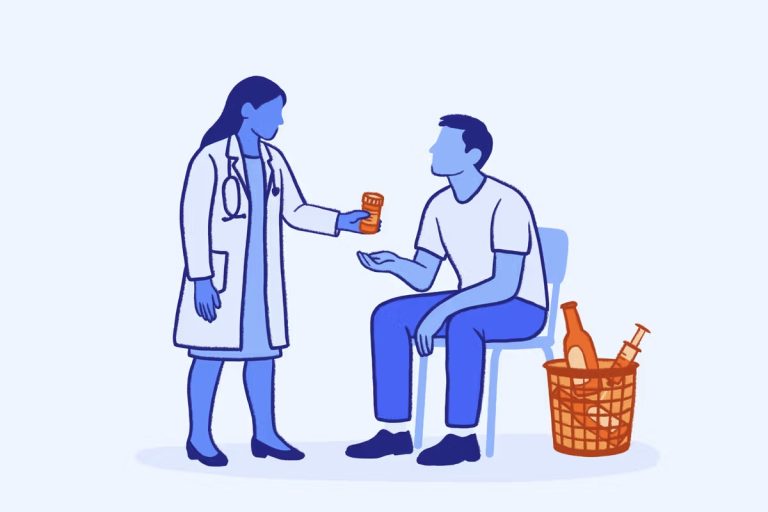
Although CBT can be helpful, it does not meet every recovery need on its own. Some individuals benefit from combining therapy with medical care, medication, peer support, or a structured rehabilitation program. The right approach depends on the substance involved, the severity of the problem, and any coexisting mental or physical health concerns. For example, a person experiencing alcohol or opioid dependence may need medical assessment and supervised treatment alongside psychological support. In addition, people with anxiety, depression, or trauma-related concerns may require care that addresses these conditions as well.
Treatment professionals can assess individual needs and recommend an appropriate combination of services. Depending on the situation, treatment may take place in an inpatient facility, an outpatient program, or an individual counseling setting. Consistency also matters. Attending appointments, practicing coping skills, and maintaining contact with a support network can help people work toward their goals. However, progress varies, and treatment plans may need changes over time.
Moving Forward With Professional Support
Recovery becomes more manageable when people have access to appropriate care, practical guidance, and reliable support. Cognitive behavioral therapy for addiction offers a structured way to understand harmful thought patterns, manage triggers, and develop healthier responses to everyday challenges. Furthermore, therapy can help individuals build confidence in their ability to handle stress without relying on substances. With consistent practice and an individualized treatment plan, they can strengthen coping skills and work toward a healthier future.
Anyone concerned about their substance use can speak with a qualified healthcare professional or addiction treatment provider to discuss suitable options. With the right support, recovery can become a realistic, ongoing process focused on safety, personal growth, and improved quality of life.