
Recovery from alcohol or drug addiction often starts with an important step: detoxification. When someone stops using a substance after regular use, the body needs time to adjust. During this period, withdrawal symptoms may affect physical health, mood, sleep, and daily activities. Therefore, professional medical support can make the early stage of recovery safer and easier to manage. The Medical Detox Process helps individuals deal with withdrawal symptoms, receive proper care, and prepare for further addiction treatment.
However, detox is not simply about removing alcohol or drugs from the body. It also involves checking a person’s health, understanding their substance use history, and managing possible complications. Since every person has different needs, healthcare professionals create a treatment plan based on individual health conditions and the substance involved. Moreover, detox provides an opportunity to address immediate medical concerns before starting counseling, therapy, or a structured rehabilitation program.
What Is the Medical Detox Process?
The Medical Detox Process refers to supervised care that helps people manage withdrawal after reducing or stopping alcohol or drug use. Regular substance use can change how the brain and body function. Consequently, stopping suddenly may cause physical and psychological reactions.
The type and severity of withdrawal depend on several factors, including:
- The substance used and the amount consumed.
- How long the person has used the substance.
- Frequency of use and previous withdrawal experiences.
- Existing physical or mental health conditions.
- Use of multiple substances or prescribed medicines.
For example, a person who regularly consumes alcohol may experience sweating, shaking, anxiety, and sleep problems after stopping. Meanwhile, someone withdrawing from opioids may experience muscle pain, nausea, restlessness, and strong cravings. However, not everyone experiences the same symptoms. Some people need close medical supervision, while others may qualify for a different level of care. Therefore, a professional assessment is essential before treatment begins.
Why the Medical Detox Process Is Important in Addiction Recovery
The Medical Detox Process plays an important role because withdrawal can sometimes create serious health risks. Although some symptoms may cause temporary discomfort, others require urgent medical attention. Alcohol withdrawal deserves particular care. People who have developed physical dependence may experience seizures or delirium tremens after stopping alcohol. Similarly, withdrawal from benzodiazepines can cause dangerous complications, especially after prolonged use.
Medical supervision helps healthcare professionals monitor symptoms and respond to changes in a patient’s condition. Doctors may also prescribe suitable medicines to reduce withdrawal discomfort or prevent specific complications. Furthermore, detox helps patients prepare for the next stage of recovery. Once medical professionals address immediate withdrawal concerns, individuals can focus on therapy, behavioral changes, and long-term treatment goals. Nevertheless, detox alone does not treat the underlying causes of addiction. Continued care remains essential for lasting recovery.
What Happens During the Medical Detox Process?
The Medical Detox Process usually follows a series of medical assessments and treatment decisions. Although the exact approach varies, most programs focus on patient safety, symptom management, and preparation for continued recovery.
Initial Health Assessment
First, healthcare professionals review the patient’s medical history, substance use patterns, current medications, and mental health. They may also check blood pressure, heart rate, and other vital signs.
In some cases, doctors recommend blood tests or additional examinations. These checks help identify possible health risks and determine the level of medical supervision required.
Personalized Treatment Planning
Next, the medical team develops a treatment plan based on the patient’s condition. The plan may include medication, regular health monitoring, nutritional support, and emotional care. Furthermore, doctors consider whether inpatient or outpatient services would provide the appropriate level of support.
Withdrawal Management
During this stage, healthcare professionals monitor withdrawal symptoms and provide suitable treatment. Depending on the substance involved, doctors may prescribe medication to manage anxiety, nausea, sleep problems, or other symptoms.
However, patients should never use prescription medicines without professional guidance. The medical team determines the appropriate treatment and dosage.
Continuous Monitoring and Support
Throughout detox, healthcare professionals observe the patient’s physical and emotional condition. They also respond to unexpected symptoms and adjust the treatment plan when necessary.
Meanwhile, counselors and support staff may help patients manage stress, fear, and emotional discomfort. This support can make the transition into rehabilitation more manageable.
Common Symptoms During the Medical Detox Process
Withdrawal symptoms can affect people in different ways. Their intensity and duration depend on the substance, level of dependence, and individual health.
Some common symptoms include:
- Nausea, vomiting, and headaches.
- Sweating, shaking, and muscle discomfort.
- Anxiety, irritability, and mood changes.
- Sleep difficulties and restlessness.
- Increased heart rate and changes in blood pressure.
- Strong cravings and difficulty concentrating.
In addition, some people experience depression, confusion, or emotional distress during withdrawal. However, severe symptoms need immediate medical attention. Seizures, hallucinations, severe confusion, and loss of consciousness can indicate a medical emergency. Alcohol and benzodiazepine withdrawal can become life-threatening. Therefore, people with possible physical dependence should not attempt to stop these substances suddenly without medical advice.
Different Treatment Options During the Medical Detox Process
Not every patient requires the same treatment setting. Therefore, healthcare professionals consider the severity of substance dependence, medical history, and available support before recommending a suitable program.
Medically Assisted Detox
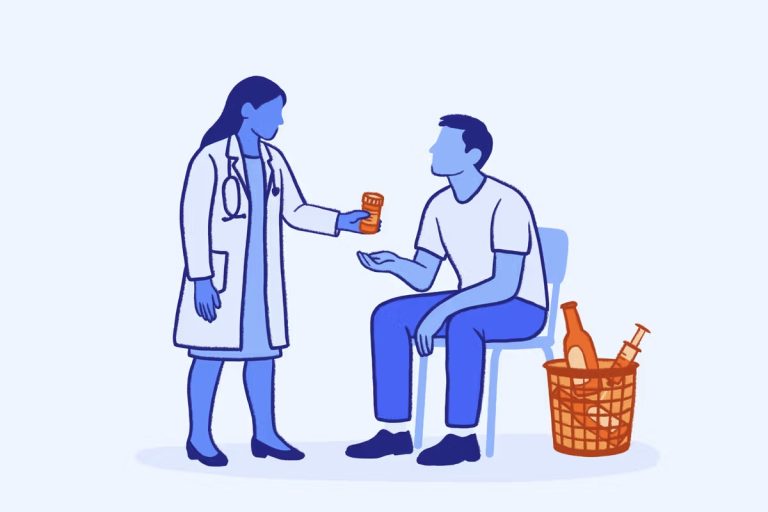
Medically assisted detox involves professional supervision and, when appropriate, prescription medication to manage withdrawal symptoms. For example, doctors may use specific medicines during alcohol withdrawal to reduce the risk of serious complications. Similarly, certain medications can help manage opioid withdrawal and support ongoing treatment.
Inpatient Detox Treatment
Inpatient detox provides a structured environment where patients receive continuous medical supervision. This option may benefit people with severe withdrawal risks, complex medical needs, or limited support at home. Moreover, residential care allows healthcare professionals to monitor symptoms and respond quickly when complications arise.
Outpatient Detox Treatment
Outpatient treatment allows eligible patients to attend scheduled medical appointments while continuing to live at home. However, this approach is suitable only when healthcare professionals determine that the person’s withdrawal risks can be managed safely outside a residential facility.
Individualized Treatment Plans
Some individuals need additional support for mental health conditions, chronic illnesses, or multiple substance use. In these situations, personalized care can address several concerns together. As a result, patients receive treatment that considers their overall health rather than focusing only on withdrawal symptoms.
What Happens After Detoxification?
Completing detox is an important achievement. However, it marks the beginning of a longer recovery journey rather than the end of addiction treatment. After detox, healthcare professionals may recommend inpatient rehabilitation, outpatient counseling, behavioral therapy, or medication-based treatment.
For instance, cognitive behavioral therapy helps people recognize harmful thought patterns and develop healthier responses to stressful situations. Furthermore, group counseling provides opportunities to share experiences and learn from others facing similar challenges. Family involvement can also improve emotional support. Loved ones may learn how addiction affects behavior and how they can encourage healthy changes without judgment.
In addition, aftercare planning helps patients maintain progress after completing a formal treatment program. Regular counseling, recovery meetings, and follow-up appointments can provide ongoing guidance.
Choosing the Right Alcohol and Drug Rehabilitation Center
Selecting an appropriate treatment facility is an important decision for patients and their families. A suitable center should provide qualified medical staff, clear treatment plans, and access to continuing care. Before choosing a facility, consider its medical supervision, licensing, treatment methods, staff qualifications, and aftercare services. Additionally, ask about insurance coverage, treatment costs, and available financial assistance.
People seeking treatment in Indiana can explore local rehabilitation options and discuss suitable services with healthcare professionals. SAMHSA’s National Helpline also provides free and confidential treatment referrals across the United States at 1-800-662-HELP (4357). Most importantly, patients should choose a facility that respects their privacy, medical needs, and personal recovery goals.
Moving Toward Long-Term Recovery With Professional Support
Addiction recovery requires time, patience, and consistent support. However, the right treatment can help individuals manage withdrawal symptoms and begin making healthier choices. The Medical Detox Process provides an important foundation by addressing immediate health concerns and helping patients prepare for further rehabilitation. Nevertheless, long-term progress depends on continued treatment, emotional support, and healthy coping strategies.
Ultimately, seeking professional help can make the first stage of recovery safer and more manageable. With appropriate medical care and a personalized treatment plan, individuals can take meaningful steps toward a healthier and substance-free life.