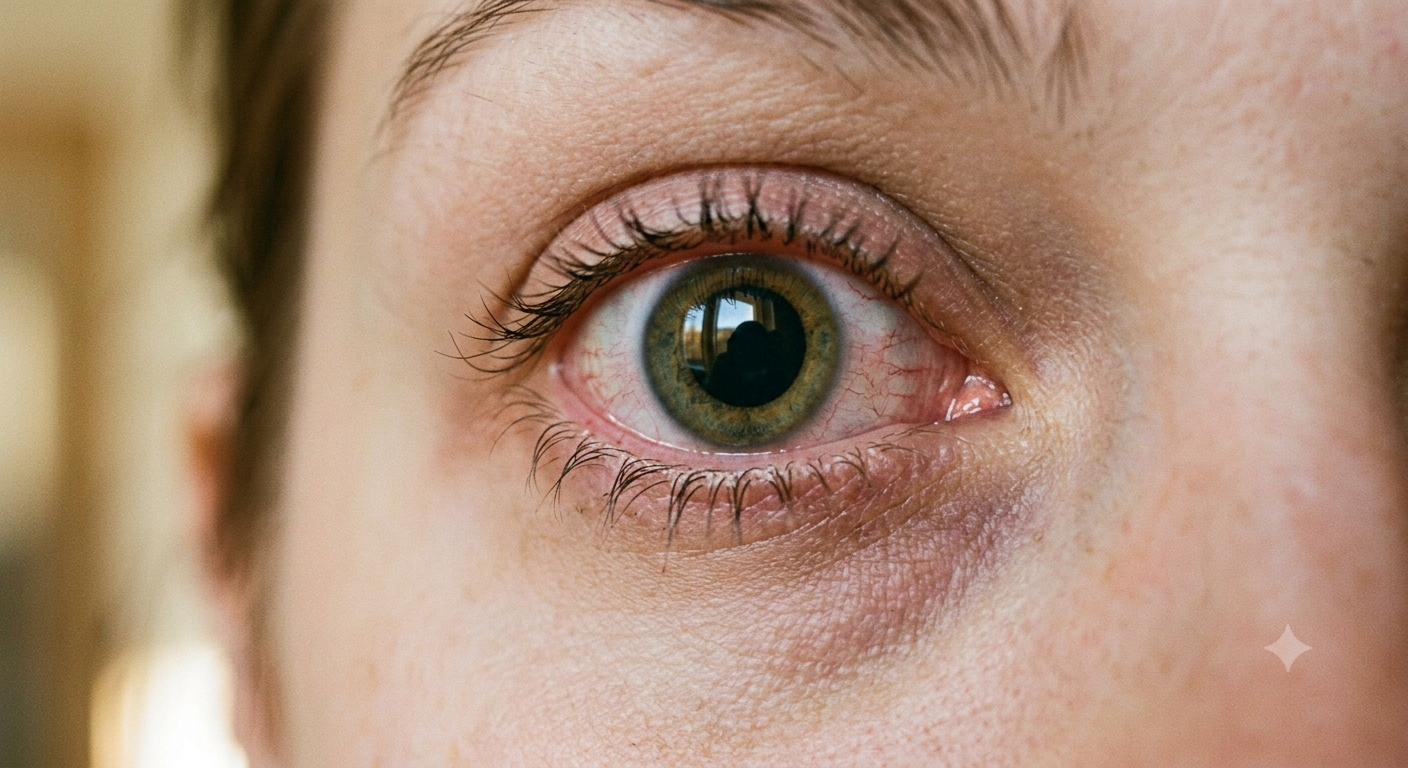

Spotting the physical shifts caused by substance use can save a loved one from long-term harm. Many people try to hide their struggles, but the face often reveals the truth. Specifically, the eyes provide immediate, undeniable clues when someone consumes strong stimulants. By recognizing cocaine eyes, you can identify the subtle warnings of active substance abuse before the addiction deepens. Recognizing these distinct visual changes helps families take the first step toward staging an effective intervention.
The Visual Signs of Stimulant Abuse
Why Dilated Pupils Occur During Drug Use
The most prominent feature of cocaine eyes involves a dramatic widening of the dark center of the eye. Under normal conditions, pupils shrink when bright light enters the room. However, central nervous system stimulants force the brain to release a massive flood of chemicals like dopamine and endorphins. This chemical surge triggers a natural fight-or-flight response, which causes the pupils to expand heavily. As a result, the black centers remain incredibly large even in well-lit environments.
Redness and Bloodshot Appearances in Users
Beyond the widening of the pupil, the white areas of the eye undergo severe changes. Cocaine constricts blood vessels rapidly throughout the body, which raises blood pressure. Consequently, these tiny vessels can swell or burst, leaving the eyes looking heavily bloodshot and irritated. Furthermore, users frequently stay awake for multiple days at a time. This severe lack of rest compounds the irritation, making the redness far more noticeable to friends and family.
The Psychological Factors Behind the Expression
The Intense Gazing Behavior
People experiencing cocaine eyes often display a very specific, intense facial expression. Because the drug heightens focus and alertness, an individual might stare fixedly at objects or people without blinking. This wide-eyed, hyper-focused look happens because the nervous system is running at maximum speed. Therefore, the person appears constantly startled, paranoid, or overly aggressive during basic conversations.
Rapid Movements and Light Sensitivity
Large pupils allow excessive amounts of ambient light to enter the back of the eye. Because of this openness, users often experience extreme sensitivity to standard indoor lighting and bright sunshine. You might notice them wearing dark sunglasses indoors or squinting constantly in normal environments. Additionally, the stimulant causes involuntary, rapid eye movements, meaning their gaze shifts quickly from side to side without any clear reason.

Medical Risks Linked to Changes in the Eyes
Long-Term Damage to Vision
Ignoring the visual symptoms of cocaine eyes can lead to severe health consequences over time. Continuous constriction of the delicate blood vessels reduces the vital flow of oxygen to ocular tissues. Consequently, prolonged abuse increases the risk of developing ulcers on the cornea. In extreme cases, chronic substance use can even lead to partial or complete blindness due to damaged retinal nerves.
The Danger of Mixed Substance Consumption
Many individuals combine stimulants with other substances, such as alcohol or prescription sedatives. When someone mixes drugs, the physical indicators of cocaine eyes can become highly unpredictable and dangerous. For instance, alcohol might cause the eyes to look glassy, while the stimulant keeps the pupils wide. This dangerous combination places immense pressure on the cardiovascular system and masks the true level of intoxication.
How to Handle the Discovery of Addiction
Approaching Your Loved One with Compassion
Discovering these physical symptoms can feel incredibly frightening and overwhelming for a family. However, reacting with anger or open accusations often forces the individual into deep denial. Instead, you should approach the conversation calmly, focusing entirely on health and safety rather than blame. Express your specific concerns by mentioning the physical changes you have observed over the past few weeks.
Exploring Professional Rehabilitation Pathways
Overcoming a stimulant addiction requires structured medical supervision and behavioral therapy. Thankfully, modern detoxification programs help individuals clear toxins safely from their systems while managing withdrawal symptoms. Following detox, comprehensive therapy addresses the underlying emotional triggers of substance abuse. Reaching out to a dedicated recovery center provides the guidance needed to rebuild a stable, healthy life.
Finding a Path to Lasting Recovery
Paying attention to physical warnings remains a vital tool in combating substance dependence. By properly identifying cocaine eyes, you gain the clarity needed to address a hidden crisis. These visual shifts serve as a clear call for immediate support and medical guidance. With the right treatment plan, individuals can safely break the cycle of addiction and restore their physical wellbeing.