
Protecting your vital organs requires a clear understanding of how everyday habits affect your physical health. Many individuals consume adult beverages regularly without realizing the internal toll it takes on their bodies. Specifically, the digestive system bears the heaviest burden when processing heavy amounts of toxins. Over time, consistent heavy drinking can trigger a progressive, devastating condition known as liver cirrhosis. By learning exactly how alcohol damages tissue, families can recognize early warning signs and seek life-saving support before permanent destruction occurs.
The Progressive Stages of Alcohol-Related Damage
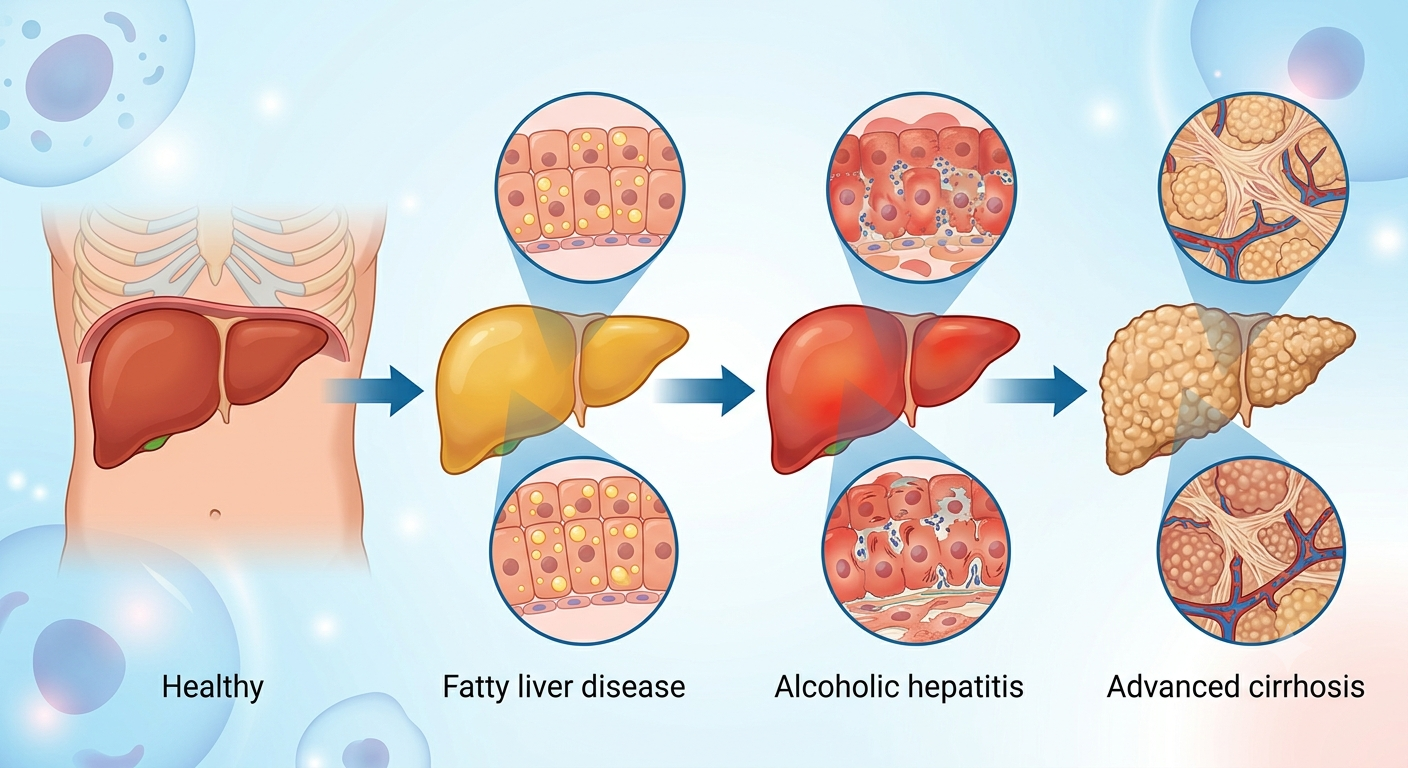
The very first physical response to heavy drinking involves the rapid accumulation of fat inside your vital cells. Medical professionals refer to this early, silent change as alcoholic fatty liver disease. Even a short period of heavy drinking can cause these dangerous fat deposits to form. Consequently, the organ swells in size, which may cause mild discomfort in the upper right abdomen. Fortunately, this initial stage remains entirely reversible if an individual chooses to practice complete abstinence for a few consecutive weeks.
If a person continues to consume heavy amounts of toxins, the tissue damage advances to a more dangerous phase. This middle stage is known as alcoholic hepatitis, which brings severe swelling and cellular destruction. The natural breakdown process of alcohol produces highly toxic chemical byproducts that directly assault healthy cells. Therefore, the body triggers an intense immune response to heal the deep internal injuries. This continuous swelling creates the foundation for permanent, dangerous structural changes within the digestive system.
The Transition to Permanent Tissue Scarring
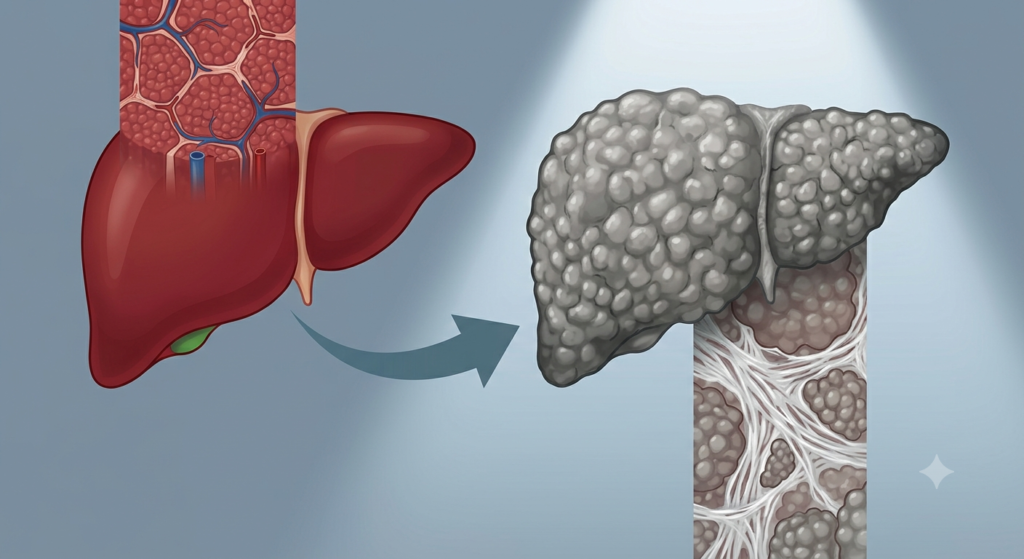
Chronic, unmanaged inflammation forces the body to constantly attempt to repair the microscopic wounds. As a result of this endless cycle, tough bands of scar tissue slowly replace the soft, working cells. This advanced condition represents the final, irreversible stage of damage known as liver cirrhosis. The extensive scarring completely distorts the internal architecture, making it highly difficult for blood to flow through. Because the working tissue disappears, the organ gradually shrinks in size and loses its natural operational capacity.
A healthy human system relies on this vital organ to execute hundreds of complex chemical tasks every single day. For instance, it filters dangerous toxins from your bloodstream and produces essential proteins that help your blood clot. Furthermore, it manufactures the necessary bile required to digest everyday food items properly. When liver cirrhosis takes over, these critical daily functions begin to slow down dramatically. Consequently, the entire body suffers from a severe buildup of waste products and deep nutritional deficiencies.
Recognizing the Advanced Danger Signs
Many individuals remain completely asymptomatic until the structural damage reaches a highly advanced stage. However, specific warning signs eventually appear as the remaining healthy tissue starts to fail. You might notice a distinct yellowing of the skin and the whites of the eyes, a medical condition called jaundice. This shift happens because the body can no longer clear a yellowish pigment called bilirubin from the blood. Additionally, fluid frequently accumulates inside the ankles and the abdomen, which points to severe internal pressure issues.
A damaged filtration system allows harsh metabolic waste products to travel freely into the central nervous system. This toxic accumulation frequently triggers a dangerous brain condition known as hepatic encephalopathy. Affected individuals experience sudden confusion, slurred speech, extreme drowsiness, and severe memory lapses. Furthermore, the restricted blood flow creates massive pressure in the veins of the stomach and esophagus. These swollen vessels can easily rupture, leading to life-threatening internal bleeding that requires immediate emergency medical intervention.
Individual Risks and Susceptibility Factors
Medical statistics prove that the exact timeframe for developing liver cirrhosis varies greatly from person to person. For example, women appear significantly more vulnerable to the damaging effects of toxins than men. This increased risk exists because female bodies generally contain a lower proportion of total water weight. Therefore, equal amounts of consumption lead to much higher concentrations of toxins in a woman’s bloodstream. Additionally, carrying excess body weight or having a high body mass index accelerates the scarring process.
Family history and internal biology also dictate how quickly tissue breaks down under stress. Genetic variations can alter how efficiently your internal enzymes break down toxic chemical metabolites. Moreover, individuals with pre-existing viral conditions, such as hepatitis C, face a much faster path toward severe scarring. Because these multiple variables interact silently, there is truly no completely safe level of excessive consumption. Checking your status through advanced medical blood tests or non-invasive scans helps catch early issues.
Reclaiming Your Health through Active Recovery
Overcoming a progressive condition requires a total commitment to changing your daily habits immediately. While existing scar tissue from liver cirrhosis cannot be undone, stopping consumption prevents further devastation. Quitting completely gives the remaining healthy cells the ultimate chance to survive and manage daily tasks. If an individual suffers from a severe alcohol use disorder, stopping suddenly can cause dangerous withdrawal symptoms. For this reason, entering a structured medical detoxification program ensures your safety during the early stages of recovery.
Long-term success relies heavily on addressing the underlying emotional and behavioral patterns behind addiction. Comprehensive rehabilitation programs offer a safe environment where individuals can engage in behavioral therapy and support groups. These professional resources teach patients healthy coping mechanisms to manage daily stress without relying on toxic substances. By partnering with a dedicated care team, individuals acquire the tools needed to maintain lifelong sobriety. Taking action today stops the progression of permanent damage and restores your long-term vitality.