
Addiction affects every part of a person’s life, including physical health, mental well-being, relationships, and financial stability. Fortunately, rehab treatment offers a path toward lasting recovery by addressing both the symptoms of addiction and its underlying causes. Rather than viewing rehabilitation as a luxury, people should recognize it as an essential healthcare service that provides hope, structure, and professional support during one of life’s most difficult challenges.
Moreover, addiction is a medical condition that often requires comprehensive care. While some individuals try to overcome substance use on their own, professional treatment greatly improves the chances of long-term recovery. Through medical supervision, counseling, education, and ongoing support, rehabilitation programs help people rebuild healthier lives.
Seeking treatment is not a sign of weakness. Instead, it reflects the courage to pursue healing and create a healthier future.
Why Rehab Treatment Is Essential for Recovery
Many people mistakenly believe addiction is simply a matter of willpower. However, medical research has shown that addiction changes brain function, behavior, and decision-making. Therefore, professional rehab treatment addresses these complex changes through evidence-based care.
Rehabilitation provides a structured environment where individuals can safely begin recovery without the distractions and triggers of everyday life. Additionally, trained healthcare professionals monitor physical and emotional health throughout the treatment process. As a result, patients receive personalized care that supports every stage of recovery. Early intervention also reduces the risk of long-term health complications while improving overall treatment outcomes.
Understanding Addiction Beyond Substance Use
Effective rehab treatment begins by recognizing addiction as more than repeated substance use. Addiction often develops through a combination of biological, psychological, environmental, and social factors. Some individuals begin using drugs or alcohol after experiencing trauma, chronic stress, anxiety, or depression. Others develop addiction following prescription medication use or exposure to addictive substances.
Over time, repeated substance use changes the brain’s reward system. Consequently, individuals may struggle to stop using even when they recognize harmful consequences. Understanding these underlying causes allows rehabilitation professionals to create treatment plans that address both addiction and emotional health simultaneously.

How Rehab Treatment Supports Physical Healing
Substance use affects nearly every organ system in the body. Therefore, one important goal of rehab treatment is restoring physical health. For many individuals, treatment begins with medically supervised detoxification. During this stage, healthcare providers monitor withdrawal symptoms while ensuring patient safety. After detox, proper nutrition, hydration, regular exercise, and healthy sleep routines help the body recover from prolonged substance use.
Additionally, physicians evaluate other medical conditions that may require treatment during rehabilitation. As physical health improves, patients often experience increased energy, clearer thinking, and greater motivation to continue recovery.
The Importance of Mental Health in Rehab Treatment
Successful rehab treatment addresses emotional well-being alongside physical recovery. Many individuals living with addiction also experience anxiety, depression, post-traumatic stress disorder, or unresolved trauma. These conditions frequently contribute to continued substance use. Licensed therapists help patients identify emotional triggers while teaching healthier coping strategies.
Individual counseling allows people to explore personal experiences in a safe environment. Meanwhile, group therapy encourages shared learning and emotional support. Treating mental health conditions alongside addiction significantly reduces relapse risk while improving long-term recovery outcomes.
Personalized Care Makes Rehab Treatment More Effective
No two recovery journeys are exactly alike. Therefore, quality rehab treatment focuses on individualized care rather than one standard approach. Healthcare providers evaluate each person’s medical history, substance use patterns, emotional needs, family relationships, and personal goals before developing a treatment plan.
Some individuals benefit from inpatient rehabilitation that provides around-the-clock support. Others may succeed through outpatient programs that allow them to continue working or caring for family while attending scheduled treatment sessions. Treatment flexibility ensures every patient receives care appropriate for their unique situation.
Therapy Approaches Used in Rehab Treatment
Modern rehab treatment includes a variety of evidence-based therapies designed to support lasting recovery. Cognitive behavioral therapy helps individuals recognize unhealthy thinking patterns while developing healthier responses to stressful situations. Motivational interviewing strengthens personal commitment to recovery by exploring individual goals and values.
Family therapy improves communication while rebuilding trust damaged by addiction. Additionally, relapse prevention education teaches patients how to identify triggers and respond effectively before returning to substance use. Many rehabilitation programs also include mindfulness techniques, stress management, and life skills training to strengthen long-term recovery.
Building Healthy Habits During Recovery
Recovery involves more than stopping substance use. Effective rehab treatment encourages healthy daily routines that support lifelong wellness. Patients learn practical skills including time management, stress reduction, emotional regulation, financial responsibility, and healthy communication. Regular physical activity improves mood while supporting overall health.
Nutritious meals help restore the body after prolonged substance use. Healthy sleep habits further improve emotional stability and cognitive function. As these positive routines become consistent, individuals develop greater confidence in managing life’s challenges without relying on drugs or alcohol.
The Role of Family and Community Support
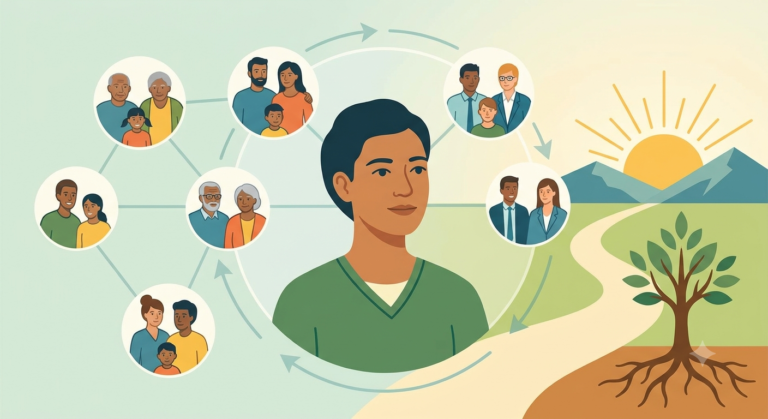
Strong relationships significantly improve recovery success. Therefore, many rehab treatment programs actively involve family members throughout the healing process. Educational sessions help loved ones better understand addiction while reducing stigma and misunderstanding. Family counseling addresses communication problems, unresolved conflicts, and unhealthy relationship patterns.
Additionally, peer support groups connect individuals with others who share similar recovery experiences. These supportive communities provide encouragement, accountability, and practical advice long after formal treatment ends. Recovery becomes stronger when individuals know they are not facing challenges alone.
Preventing Relapse Through Ongoing Support
Completing rehabilitation marks the beginning rather than the end of recovery. Consequently, quality rehab treatment includes comprehensive aftercare planning. Aftercare programs may include ongoing counseling, support groups, sober living environments, medication management, or regular follow-up appointments. Learning to recognize triggers remains an essential part of relapse prevention.
Healthcare providers help individuals create personalized action plans for managing stress, emotional challenges, and high-risk situations. Continued support strengthens confidence while helping people maintain long-term sobriety. Recovery remains an ongoing journey that benefits from consistent guidance and encouragement.
Choosing Rehab Treatment Can Change Lives
Seeking rehab treatment is one of the most important decisions a person struggling with addiction can make. Professional rehabilitation provides medical care, emotional support, education, and practical skills that help individuals overcome substance use while rebuilding healthier, more fulfilling lives.
Moreover, recovery extends beyond ending addiction. It creates opportunities to restore relationships, improve physical health, strengthen mental well-being, and regain confidence for the future. Every person’s journey is unique, yet professional treatment offers the structure and guidance needed to navigate that journey successfully.
With personalized care, ongoing support, and a commitment to healing, rehabilitation becomes far more than a treatment program. It becomes a true lifeline that empowers individuals to achieve lasting recovery and embrace a healthier future.