
Mental health and addiction often affect one another. Many people who struggle with substance use also experience conditions such as depression, anxiety, or post-traumatic stress disorder (PTSD). When these challenges happen together, they are known as co-occurring disorders. Co-occurring disorder treatment focuses on addressing both conditions at the same time. This approach helps individuals understand their struggles, develop healthier habits, and work toward lasting recovery. With the right care, people can improve their mental well-being and build a healthier future.
Understanding Co-Occurring Disorder Treatment and Dual Diagnosis
Co-occurring disorders refer to the presence of a mental health condition and a substance use disorder in the same person. Healthcare professionals also use the term dual diagnosis to describe this situation. For example, someone experiencing depression may use alcohol or drugs to manage sadness, stress, or emotional pain. However, substance use can make these symptoms worse over time. Similarly, long-term substance use may contribute to anxiety, mood changes, and other mental health concerns.
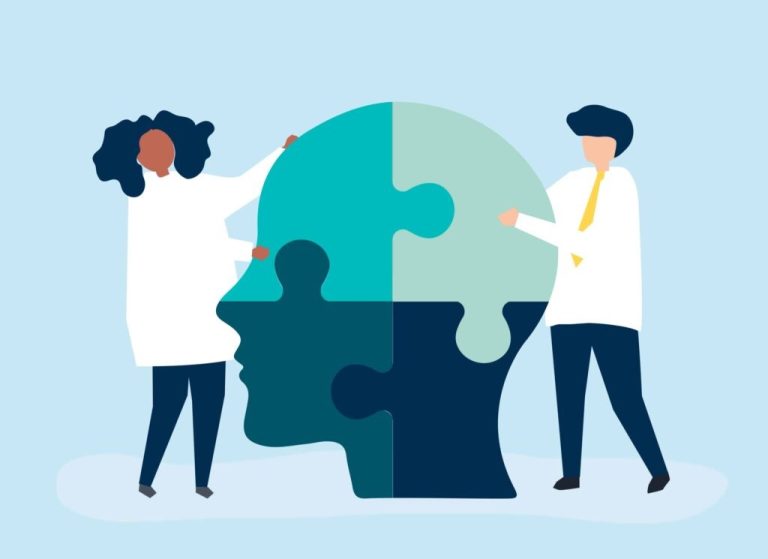
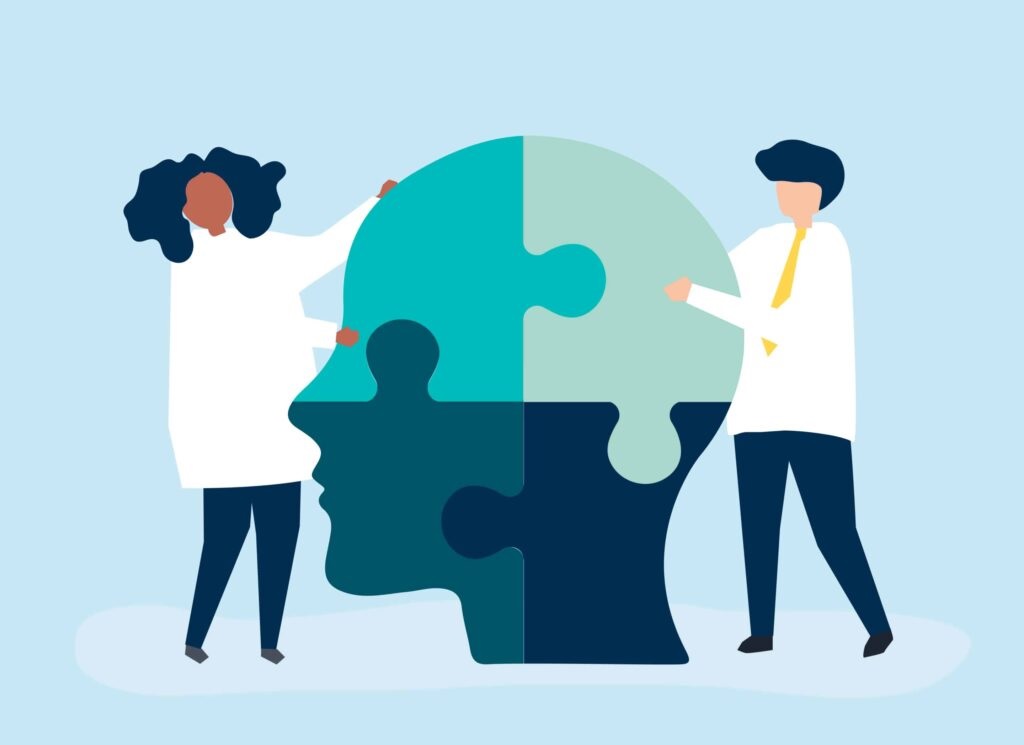
Therefore, co-occurring disorder treatment considers how both conditions interact. Instead of focusing on addiction alone, professionals evaluate the person’s emotional, psychological, and physical needs. This helps create a more complete recovery plan.

Why Do Mental Health Conditions and Addiction Occur Together?
Several factors can contribute to the development of co-occurring disorders. Although every person’s experience is different, certain challenges may increase the risk. One common factor is emotional distress. People dealing with trauma, anxiety, or depression may turn to substances for temporary relief. However, this relief often does not last. Over time, repeated substance use can create dependence and make mental health symptoms harder to manage.
Genetics and environmental influences may also play a role. For instance, family history, childhood experiences, stressful relationships, and difficult life events can affect mental health and substance use patterns. Furthermore, these conditions can create a repeating cycle. Mental health symptoms may increase the desire to use substances, while substance use can worsen emotional distress. As a result, breaking this cycle often requires professional guidance and consistent support.
How Co-Occurring Disorder Treatment Supports Recovery
Effective recovery requires care that addresses the whole person. Co-occurring disorder treatment combines mental health services with addiction care to support both areas together. First, professionals conduct a detailed assessment to understand the person’s symptoms, substance use history, medical needs, and personal circumstances. Based on these findings, the treatment team develops an individualized recovery plan.
Additionally, different specialists may work together during treatment. Psychiatrists, psychologists, therapists, and addiction counselors can share their expertise to provide coordinated care. This integrated model may include therapy, medication management when appropriate, behavioral support, and recovery education. Consequently, individuals can learn to manage emotional challenges while developing healthier responses to cravings and triggers.
Evidence-Based Therapies for Dual Diagnosis
Therapy plays an important role in helping people understand their thoughts, emotions, and behaviors. Several evidence-based approaches can support individuals experiencing addiction and mental health concerns. Cognitive Behavioral Therapy (CBT) helps people recognize negative thinking patterns and understand how these thoughts influence their actions. Through regular sessions, individuals can develop practical coping skills and healthier responses to difficult situations.
Dialectical Behavior Therapy (DBT) focuses on emotional regulation, mindfulness, and stress management. It can help individuals handle intense emotions without turning to harmful behaviors. Motivational interviewing is another useful approach. It encourages people to explore their reasons for change and build confidence in their recovery goals. Moreover, individual therapy provides a private setting to discuss personal challenges. Group therapy offers a chance to connect with others who have similar experiences. Family therapy may also improve communication and create a stronger support system.
Benefits of an Integrated Addiction Recovery Program
An integrated recovery program offers several important benefits. Most importantly, it recognizes that mental health and substance use concerns need attention together. Through co-occurring disorder treatment, individuals can better understand the connection between their emotional symptoms and substance use habits. This awareness can help them identify triggers and make healthier decisions. Another benefit is personalized care. Every person has different experiences, challenges, and recovery goals. Therefore, treatment plans should reflect individual needs rather than follow the same approach for everyone.
Furthermore, coordinated care can improve communication between treatment professionals. This allows the team to monitor progress, adjust treatment strategies, and respond to changing needs. Ongoing support also plays an important role. Regular therapy, peer support, and relapse prevention planning can help individuals maintain healthy routines after completing a structured treatment program.
Choosing the Right Treatment and Professional Support
Selecting an appropriate treatment center is an important part of recovery. Individuals and families should look for facilities with qualified professionals who have experience treating addiction and mental health conditions together. A suitable program should begin with a comprehensive assessment. It should also offer access to evidence-based therapies, medical support when needed, and personalized treatment planning.
In addition, consider the available levels of care. Depending on individual needs, treatment may involve inpatient rehabilitation, outpatient services, or other structured programs. The appropriate option depends on clinical recommendations, safety needs, and personal circumstances. Family involvement can also make a difference. Loved ones may benefit from education and counseling that help them understand addiction and provide healthy support without encouraging harmful behaviors.
Taking the First Step toward Long-Term Recovery
Recovery from addiction and mental health challenges takes time, patience, and consistent effort. However, the right professional support can make the journey more manageable. Co-occurring disorder treatment gives individuals an opportunity to address the underlying challenges connected to both conditions. With professional guidance, they can develop coping strategies, improve emotional health, and work toward a more stable lifestyle.
At Addiction Rehab Centers, individuals can explore treatment options designed to address addiction and mental health concerns through coordinated care. Reaching out for an assessment is a positive first step toward understanding available services and finding an appropriate recovery path. Ultimately, lasting recovery is not only about stopping substance use. It is also about improving mental well-being, rebuilding relationships, and developing the skills needed for a healthier life.