
Recovering from drug or alcohol addiction can be challenging, especially when people feel alone in their struggles. However, connecting with others who understand these experiences can make the recovery journey easier. Group therapy for addiction provides a supportive environment where individuals can share personal experiences, discuss challenges and learn healthier ways to manage difficult emotions. With guidance from qualified therapists, participants can develop useful coping skills, build confidence and create meaningful connections that support long-term recovery.
Understanding Group Therapy for Addiction
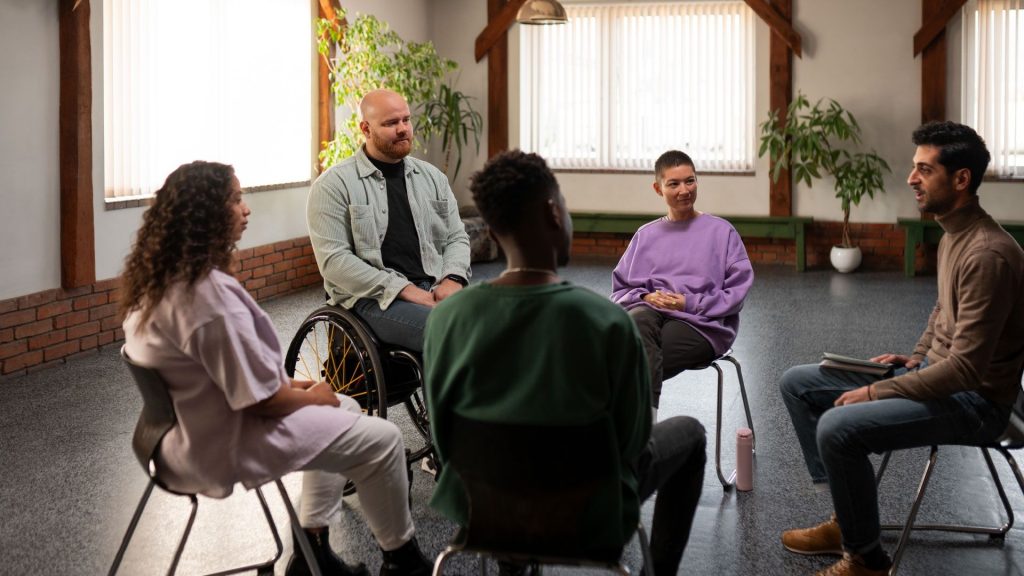
Group therapy is a form of counseling where a trained therapist works with several individuals who face similar emotional, behavioral or substance use challenges. During sessions, participants discuss their experiences, express their feelings and learn from one another. Unlike individual counseling, group sessions allow people to hear different viewpoints. For example, someone struggling with alcohol use may discover that another participant has faced similar family problems, stress or emotional difficulties.
As a result, participants often feel less isolated and more understood. They also gain opportunities to practice communication, improve self-awareness and develop healthier relationships. Furthermore, therapists guide discussions and introduce useful techniques based on the group’s needs. This approach helps create a structured environment where everyone can work toward personal recovery goals.
Major Benefits of Group Therapy for Addiction
Recovery involves physical, emotional and behavioral changes. Therefore, having a supportive community can make a meaningful difference throughout treatment. One important benefit is the sense of belonging. Addiction can sometimes damage relationships and create feelings of shame or loneliness. However, sharing experiences with people facing similar challenges can help individuals feel accepted.
Another benefit is learning from others. Participants can discover new ways to handle cravings, manage stress and respond to difficult situations. In addition, hearing about another person’s progress can encourage them to remain committed to recovery. Group sessions also promote accountability. When participants discuss their goals and progress, they become more aware of their choices and responsibilities. Moreover, regular interaction helps individuals improve communication skills. They learn to listen carefully, express emotions and respect different opinions. These skills can support healthier relationships outside treatment.
How Group Therapy for Addiction Supports Emotional Healing
Addiction often affects more than physical health. It can also influence emotional well-being, family relationships, self-confidence and personal decision-making. During recovery, people may experience guilt, anxiety, frustration or sadness. Sometimes, these emotions make it difficult to maintain motivation. Therefore, having a safe space to discuss personal concerns is important.
Group sessions allow participants to express their feelings without feeling completely alone. They can listen to others, receive encouragement and understand that recovery challenges are not unique to them. Additionally, therapists may use guided discussions and therapeutic exercises to help participants recognize unhealthy thought patterns. They can then learn healthier ways to respond to difficult emotions.
For example, someone who uses substances to manage stress may discover alternative coping methods through group discussions. These may include mindfulness, relaxation exercises, healthy routines and problem-solving skills. Through group therapy for addiction, participants can gradually develop greater emotional awareness and confidence in handling everyday challenges.
Creating a Safe and Supportive Therapy Environment
A comfortable environment plays an important role in successful group counseling. Participants need to feel respected before they can openly discuss personal experiences. Therefore, therapists establish clear guidelines for communication and behavior. These rules help prevent judgment, criticism and disrespect during discussions.
Confidentiality is another important part of the process. Participants should understand the importance of respecting other members’ privacy. However, therapists must also explain that confidentiality has certain legal and safety-related limits. Active listening also helps strengthen trust. When people listen without interrupting or judging, others feel more comfortable sharing their concerns.
Furthermore, therapists encourage balanced participation. Some individuals may feel nervous about speaking during their first sessions. However, a patient and supportive approach can help them become more comfortable over time. A strong therapeutic environment allows members to express themselves, exchange ideas and work toward healthier behaviors.
Group Therapy for Addiction and Relapse Prevention
Maintaining sobriety after treatment can involve many challenges. Everyday stress, relationship conflicts, financial pressure and exposure to previous triggers may increase the risk of relapse. However, learning practical coping strategies can help individuals prepare for these situations.
Group counseling encourages participants to identify personal triggers and understand how certain emotions or environments affect their behavior. They can also learn from the experiences of others who have faced similar situations. For instance, someone who experiences cravings during stressful moments may learn breathing exercises, positive distractions or healthy communication techniques.
In addition, group members can discuss ways to manage social pressure and avoid situations that may threaten their recovery. Regular sessions also provide opportunities to review personal goals and discuss progress. Nevertheless, group support should work alongside professional treatment, individual counseling and other recommended services. When someone experiences a return to substance use, they should seek professional help rather than rely on peer support alone.
Our Approach to Group Therapy for Addiction
At Addiction Rehab Centers, group therapy focuses on providing structured support based on participants’ individual needs and treatment goals. The approach emphasizes personalized programs, experienced therapists and evidence-based techniques. Rather than treating every participant in the same way, therapists consider individual experiences and challenges when guiding group sessions.
Cognitive Behavioral Therapy (CBT) can help participants recognize unhealthy thought patterns and replace them with healthier responses. Similarly, Dialectical Behavior Therapy (DBT) may support emotional regulation, mindfulness and interpersonal skills. Motivational Interviewing can also help individuals explore their reasons for recovery and strengthen their commitment to positive changes.
Depending on individual assessments and clinical suitability, therapists may incorporate psychoeducation, communication exercises and other therapeutic methods. Moreover, the organization emphasizes confidentiality, trust and respectful interaction. These elements help participants feel more comfortable discussing sensitive experiences.
Alcohol and Drug Recovery Through Group Counseling
Alcohol and drug addiction can affect people in different ways. Therefore, treatment should address the specific challenges associated with each person’s substance use. For individuals recovering from alcohol addiction, group sessions can provide opportunities to discuss drinking triggers, emotional challenges and strategies for maintaining sobriety.
Similarly, people recovering from drug addiction can explore the factors behind substance use and develop healthier responses to stress and difficult emotions. Group discussions can also help participants recognize patterns that affect their relationships and daily decisions.
Furthermore, connecting with others who understand addiction can reduce isolation and encourage positive changes. Members can exchange practical advice while working toward their individual treatment goals. Although group counseling offers valuable support, therapists may recommend additional services, such as individual therapy, medical care or medication-assisted treatment, depending on each person’s needs.
Building Stronger Recovery Skills Through Peer Support
Long-term recovery requires consistent effort, patience and access to appropriate support. Therefore, the benefits of group counseling can extend beyond scheduled therapy sessions. Participants can use the communication and coping skills they develop during treatment in their everyday lives. For example, they may become better at expressing concerns, setting boundaries and managing disagreements.
Additionally, positive relationships can encourage individuals to maintain healthy routines and avoid environments associated with previous substance use. Some participants may also continue attending support groups or alumni activities after completing rehabilitation. These connections can provide further encouragement as they adjust to independent living.
Ultimately, group therapy for addiction offers more than an opportunity to discuss personal struggles. It helps individuals develop practical skills, build supportive relationships and gain confidence throughout recovery. With qualified guidance, consistent participation and the right combination of treatment services, people can work toward healthier habits and a more stable future.