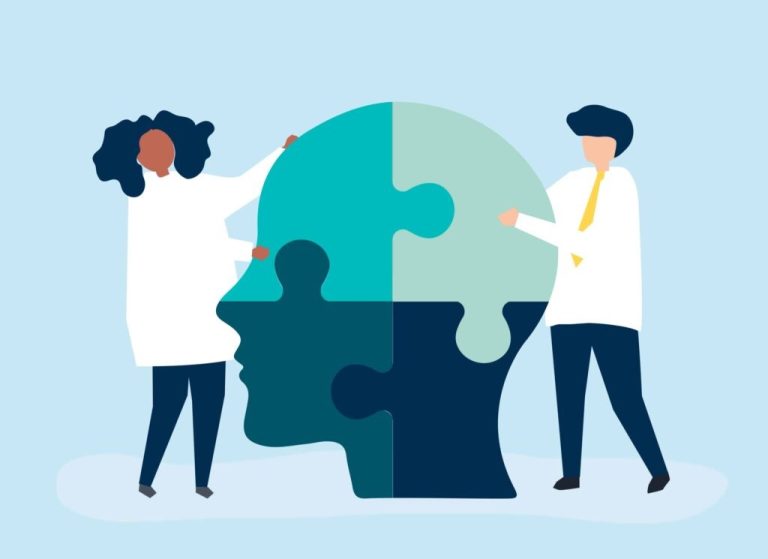

Addiction recovery is a challenging process that requires proper care, patience, and professional guidance. People struggling with alcohol or drug dependence often need more than medical support to rebuild their lives. They also need emotional guidance, therapy, and consistent encouragement. Clinical staff in addiction recovery play an important role in providing this support. From the first assessment to long-term recovery planning, trained professionals help individuals understand their condition and make positive changes. With the right team, patients can receive personalized care and develop the skills needed for a healthier future.
Why Clinical Staff in Addiction Recovery Matter
Professional support is an essential part of successful addiction treatment. Clinical staff include doctors, nurses, therapists, psychologists, counselors, and other trained healthcare professionals. Each member brings specific knowledge and skills to the recovery process. First, these professionals evaluate a person’s physical and mental health. They also review their substance use history, medical conditions, and personal challenges. This information helps the team understand the patient’s needs before recommending treatment.
Furthermore, addiction can affect different areas of life, including relationships, work, emotional health, and physical well-being. Therefore, treatment should address more than substance use alone. Clinical staff in addiction recovery help create a safe and supportive environment where patients can discuss their struggles without fear of judgment. Their guidance also helps individuals stay focused on their recovery goals.

How Clinical Staff in Addiction Recovery Develop Treatment Plans
Every person’s experience with addiction is different. Therefore, a treatment plan should reflect their health condition, substance use history, and recovery goals. Clinical professionals begin with a detailed assessment. During this process, they collect information about medical history, mental health, previous treatment experiences, and possible co-occurring disorders. They may also evaluate the person’s emotional well-being and readiness for change.
After completing the assessment, the team develops a personalized treatment plan. Depending on individual needs, the plan may include detoxification, individual counseling, group therapy, medication management, and behavioral health services. Additionally, professionals set realistic recovery goals with the patient. These goals may focus on managing cravings, improving emotional health, developing healthy habits, and rebuilding personal relationships. The team also reviews the plan regularly. As patients make progress, their needs may change. Consequently, professionals can adjust treatment methods to provide suitable care at every stage.
Medical Care and Medication Management During Rehabilitation
Medical supervision is another important part of addiction treatment. Some substances can cause withdrawal symptoms when a person reduces or stops using them. Depending on the substance and the person’s health, withdrawal may require medical attention. Doctors and nurses monitor physical symptoms, check vital signs, and respond to medical concerns. They also help patients understand what to expect during the early stages of recovery.
In certain situations, healthcare providers may recommend medication as part of treatment. Medication-assisted treatment can help manage cravings and withdrawal symptoms for specific substance use disorders. However, medication choices depend on clinical assessments and individual needs. Moreover, medical professionals explain how prescribed medicines work and discuss possible risks. They also monitor responses and make adjustments when necessary. Clinical staff in addiction recovery help ensure that medical care remains coordinated with other treatment services. This approach allows patients to receive appropriate support for both physical and psychological challenges.
Therapy and Counseling Provided by Addiction Treatment Professionals
Therapy helps individuals understand the thoughts, emotions, and behaviors connected to substance use. It also provides practical tools for managing stress and avoiding situations that may increase the risk of relapse. Cognitive Behavioral Therapy (CBT) is one commonly used approach. It helps patients identify unhealthy thinking patterns and replace them with more positive responses. As a result, individuals can learn to manage difficult situations without relying on alcohol or drugs.
Motivational interviewing is another useful method. It helps people explore their reasons for recovery and strengthen their commitment to change. In addition, group therapy creates opportunities to share experiences and learn from others facing similar challenges. Individual counseling, meanwhile, provides a private space to discuss personal concerns. Family therapy can also support recovery by improving communication and rebuilding trust. Through these services, Clinical staff in addiction recovery help patients develop healthier coping strategies and stronger relationships.
Qualities to Look for in Clinical Staff in Addiction Recovery
Choosing the right rehabilitation center involves more than comparing facilities and treatment programs. The knowledge, experience, and behavior of the clinical team also matter. First, professional qualifications are essential. Doctors, nurses, therapists, and counselors should have appropriate education, training, and licenses for their roles. Their experience in addiction treatment can also help patients receive suitable care. Compassion is equally important. People entering rehabilitation may feel anxious, embarrassed, or uncertain about their future. Therefore, staff members should listen carefully and treat every patient with dignity.
Strong communication skills also make a difference. Professionals should explain treatment options in simple language and encourage patients to discuss their concerns. This helps build trust and improves participation in the recovery process. Furthermore, effective clinical teams should demonstrate flexibility and problem-solving skills. Recovery does not follow the same path for everyone. Consequently, professionals must recognize changing needs and respond with appropriate adjustments.
How Clinical Teams Monitor Progress and Prevent Relapse
Recovery continues beyond the initial stages of treatment. Patients may face emotional stress, social pressure, cravings, and other challenges after completing a structured rehabilitation program. For this reason, clinical teams regularly review treatment progress. They may conduct follow-up assessments, discuss recovery goals, and identify areas that need additional attention. Relapse prevention planning is another important service. Patients learn to recognize personal triggers, manage stressful situations, and develop healthier daily routines. They may also receive guidance on building supportive relationships and maintaining a stable lifestyle.
Furthermore, aftercare services can help individuals stay connected with professional support. Depending on their needs, these services may include outpatient counseling, support groups, and scheduled medical appointments. Clinical staff in addiction recovery help patients prepare for these challenges by encouraging practical planning and consistent follow-up care. Their support can help individuals remain focused on recovery even when difficulties arise.
Choosing a Rehabilitation Center With Experienced Professionals
Finding a suitable rehabilitation center is an important decision for individuals and their families. Before selecting a facility, it is helpful to review its treatment services, professional qualifications, and safety standards. Check whether the center has licensed healthcare professionals and experienced addiction counselors. Also, ask about available therapies, medical supervision, individualized treatment plans, and aftercare programs.
Accreditation and licensing can provide additional information about a facility’s standards. However, families should also understand the specific services offered and whether they match the patient’s needs. At Addiction Rehab Centers, individuals can explore different treatment options and learn about the role of professional care in recovery. Asking questions about the treatment team can help patients make informed decisions.
Moving Forward With Professional Recovery Support
Overcoming addiction takes time, commitment, and the right support system. Professional guidance can make this process more structured and manageable. Doctors, nurses, therapists, and counselors each contribute to different aspects of patient care. Clinical staff in addiction recovery provide guidance through assessments, medical supervision, therapy, and ongoing progress reviews. Their combined efforts help individuals understand their challenges and work toward meaningful changes.
Ultimately, recovery is not only about stopping substance use. It also involves improving physical health, strengthening emotional well-being, rebuilding relationships, and learning healthier ways to manage everyday life. With appropriate treatment and continued support, individuals can take positive steps toward a more stable and fulfilling future.