
Cocaine is a powerful stimulant that places immense stress on the human cardiovascular system. Consequently, individuals who use this substance face immediate and dangerous cocaine heart risks. In fact, even first-time users can experience severe cardiac events without any prior warning. Therefore, understanding these dangers is essential for anyone seeking to protect their long-term health. Below, we explore how stimulant abuse alters heart function and leads to life-threatening complications.
What Are the Primary Cocaine Heart Risks?
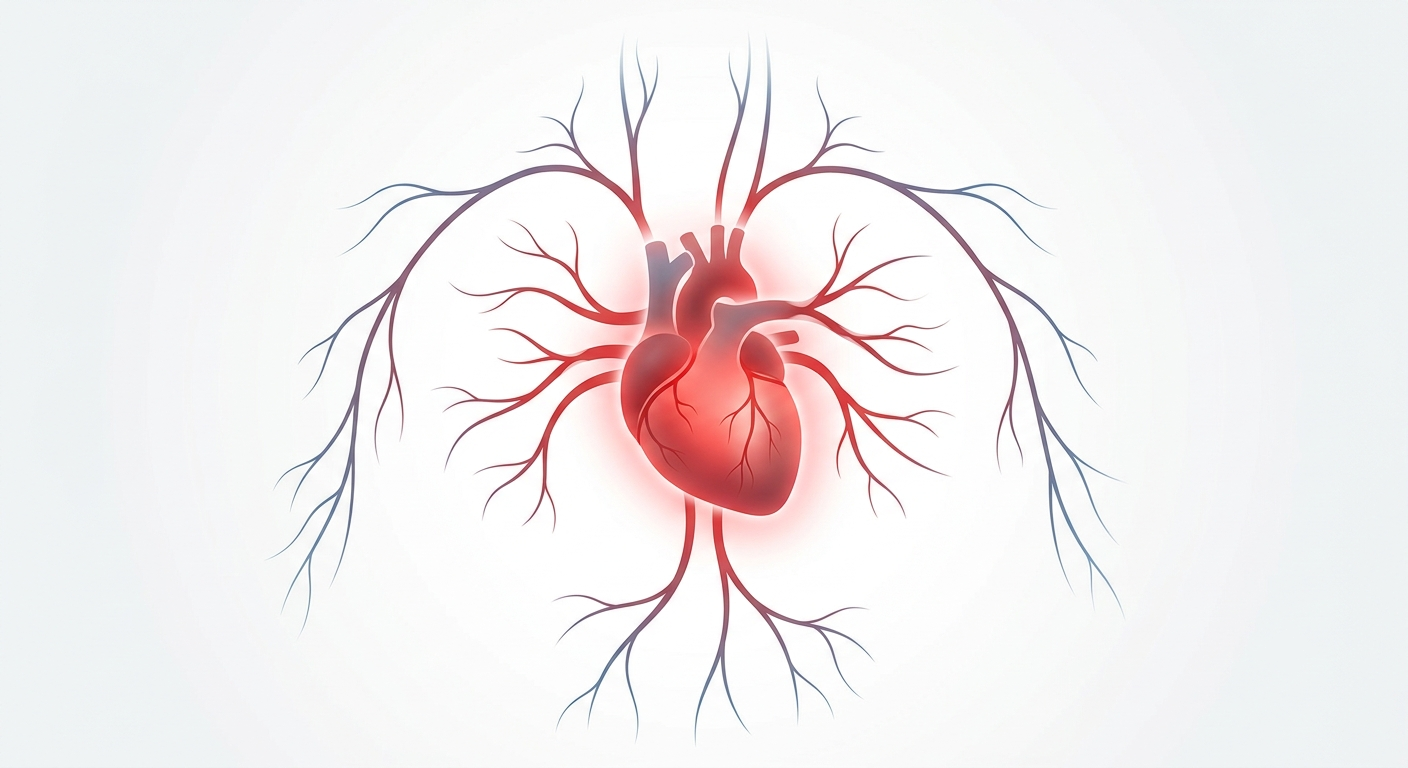
To begin with, cocaine acts as a intense central nervous system stimulant that forces the heart to work much harder than normal. Specifically, it triggers a rapid surge of adrenaline throughout the bloodstream. As a result, your heart rate increases dramatically while your blood vessels constrict sharply. Furthermore, this dangerous combination raises your blood pressure within seconds after consumption. Because the blood vessels shrink, less oxygen actually reaches the heart muscle itself. Consequently, this sudden oxygen shortage creates the perfect environment for sudden cardiovascular failure. Indeed, these acute cocaine heart risks apply to young, healthy individuals just as easily as chronic users.
Additionally, the drug directly alters the electrical system of your heart. Normally, precise electrical signals control the rhythmic beating of the heart chambers. However, cocaine blocks crucial sodium and potassium channels that regulate these vital signals. Therefore, the cardiac rhythm becomes erratic, unpredictable, and highly dangerous. For example, a user might experience sudden palpitations or rapid fluttering in their chest. Furthermore, these electrical disruptions can cause lethal ventricular fibrillation within minutes. In summary, the drug attacks both the mechanical pumping action and the electrical timing of the heart.
How Cocaine Causes Heart Attacks and Arrhythmia
First, many people incorrectly assume that heart attacks only happen to older adults. However, cocaine usage is actually a leading cause of sudden heart attacks in young adults. When blood vessels constrict tightly, blood flow to the heart muscle stops completely in certain areas. Furthermore, cocaine encourages blood platelets to stick together and form dangerous clots. As a result, a blood clot can block a narrowed coronary artery instantly. Because the heart tissue starves without oxygen, muscle tissue begins to die rapidly. Thus, a user suffers a massive heart attack even if their arteries were previously healthy.
Second, the risk of developing a fatal arrhythmia rises dramatically during substance use. In fact, cocaine disrupts the normal electrical coordination of cardiac tissue. Consequently, the heart may start beating too fast, which medical professionals call tachycardia. Alternatively, the heart might enter an uncoordinated quivering state known as fibrillation. Because the heart cannot pump blood effectively during fibrillation, vital organs lose their blood supply immediately. Furthermore, this sudden loss of circulation leads directly to sudden cardiac arrest. Therefore, cardiac arrhythmias represent one of the most unpredictable cocaine heart risks.
Moreover, combining cocaine with alcohol creates a toxic chemical compound inside the liver called cocaethylene. In fact, cocaethylene remains in the body much longer than cocaine alone. Consequently, this metabolite intensifies stress on the heart muscle for many hours. Furthermore, cocaethylene increases the likelihood of sudden cardiac death exponentially. As a result, individuals who mix alcohol and stimulants face far greater danger than they realize. Indeed, this dangerous combination severely amplifies all known cocaine heart risks.
The Long-Term Cocaine Heart Risks on Muscle Function
Over time, repeated stimulant use inflicts permanent damage on the structural components of the heart. Specifically, the constant high blood pressure forces the heart muscle to thicken abnormally. However, this enlarged muscle tissue, known as left ventricular hypertrophy, requires far more oxygen than normal. Because the constricted blood vessels cannot deliver enough oxygen, the heart muscle becomes progressively weaker. Furthermore, chronic inflammation damages the delicate lining of the blood vessels continually. As a result, long-term users develop premature coronary artery disease that mimics advanced aging.
In addition, prolonged exposure to the drug leads directly to a condition called dilated cardiomyopathy. During this process, the heart muscle becomes stretched, thin, and remarkably weak. Consequently, the enlarged heart loses its ability to pump blood efficiently to the rest of the body. Furthermore, fluid begins to back up into the lungs and legs as heart function declines. Therefore, long-term users often suffer from chronic congestive heart failure at an early age. In fact, many individuals require lifelong medication or heart transplants because of this severe damage.
Besides structural weakening, chronic drug use promotes accelerated hardening of the arteries. Specifically, cholesterol plaques build up rapidly along the damaged arterial walls. As a result, the arteries become narrow and stiff long before natural aging would cause such changes. Furthermore, this chronic narrowing restricts blood flow continuously, even when the person is not actively using drugs. Therefore, former users remain at elevated risk for cardiovascular disease for many years after stopping. Indeed, these lingering structural changes highlight the persistent nature of cocaine heart risks.
Recognizing Warning Signs of Cardiovascular Distress
For instance, recognizing the warning signs of a cardiac event can save a life during an emergency. First, severe chest pain or pressure is the most common indicator of trouble. However, this discomfort might also radiate outward to the arm, neck, jaw, or back. Furthermore, short-term shortness of breath often accompanies this chest pain suddenly. Because these symptoms mirror a standard heart attack, they demand immediate emergency medical attention. Therefore, you should never ignore chest discomfort after consuming any stimulant substance.
Second, severe dizziness, lightheadedness, or sudden fainting signals a dangerous drop in brain perfusion. Specifically, these symptoms mean the heart is failing to pump sufficient blood upward to the brain. Furthermore, a rapidly racing heart that feels like it is pounding out of your chest requires immediate evaluation. In addition, profuse sweating, nausea, and unprovable anxiety often signal an impending cardiac catastrophe. Because these physical reactions develop rapidly, acting quickly is paramount. Consequently, calling emergency services immediately provides the best chance for survival and recovery.
Medical Treatment and Recovery Options
Fortunately, prompt medical intervention can stabilize the cardiovascular system and prevent further tissue destruction. When a patient arrives at an emergency room, doctors use specific medications to calm the heart. For example, intravenous medications help lower blood pressure and relax constricted blood vessels quickly. Furthermore, oxygen therapy supports the struggling heart muscle by maximizing blood oxygen levels. However, medical staff must avoid certain standard heart medications, such as pure beta-blockers, which can paradoxically worsen vascular spasms. Therefore, specialized emergency care is critical during an acute crisis.
After surviving an acute cardiac event, long-term recovery requires complete abstinence from stimulant drugs. Indeed, the heart possesses a remarkable capacity to heal once the chemical stress stops completely. Furthermore, professional addiction treatment programs provide the medical supervision necessary for safe detoxification. In addition, cardiac rehabilitation programs help patients rebuild their cardiovascular strength slowly through supervised exercise. Therefore, seeking comprehensive treatment addresses both the addiction and the underlying physical damage effectively.
Ultimately, choosing to enter recovery removes the ongoing threat of sudden cardiac arrest entirely. Moreover, adopting a heart-healthy diet and managing stress supports the natural healing process of the body. In summary, taking proactive steps today can reverse many acute complications and restore your overall well-being.