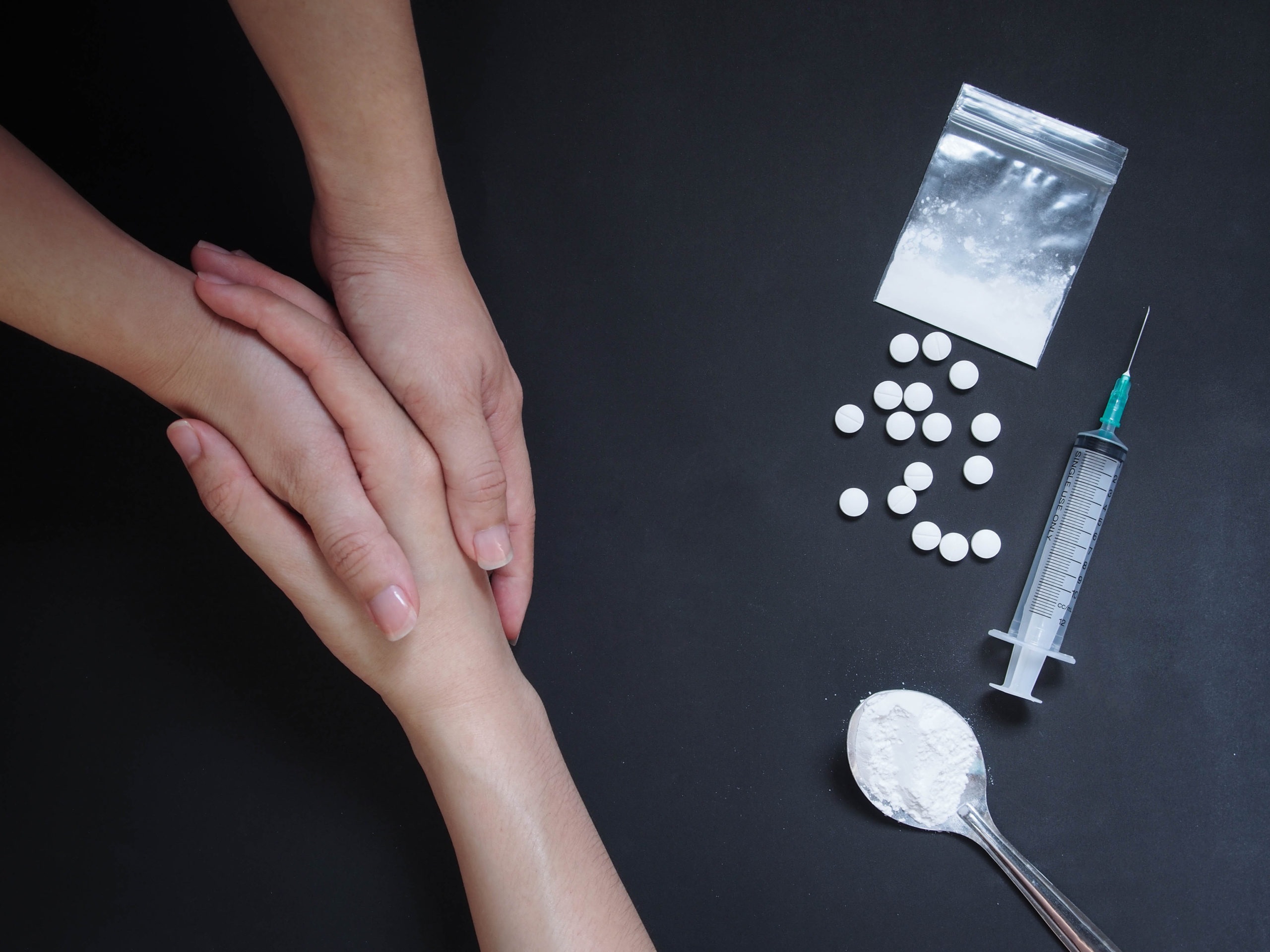

Prescription medications can provide important medical benefits when used as directed. However, misuse can lead to dependence, addiction, and serious health problems. Prescription Drug Rehab can provide structured care for people who struggle to stop using these medicines. Treatment may include medical support, behavioral therapy, mental health care, recovery planning, and ongoing support. SAMHSA identifies prescription opioids, stimulants, tranquilizers, and sedatives among the prescription drugs that can be misused.
Recovery also looks different for each person. Therefore, treatment should consider the type of medication involved, the length and pattern of use, physical health, mental health, and the person’s home environment. A qualified treatment team can assess these factors and create a plan that fits the individual’s needs.
Understanding Prescription Drug Addiction
Prescription drug addiction can develop even when a medication started as a legitimate treatment. Over time, repeated use can lead to physical dependence, cravings, or difficulty controlling use. Misuse may involve taking a higher dose, using medicine more often than prescribed, taking someone else’s prescription, or using a medication in a different way than directed. Prescription drugs commonly associated with misuse include opioids, benzodiazepines and other sedatives, and stimulants. Each drug class affects the brain and body in different ways. As a result, treatment cannot follow one standard plan for everyone.
For example, prescription opioids can affect breathing and carry an overdose risk. Benzodiazepines can produce physical dependence, and stopping them suddenly may cause serious withdrawal symptoms. Prescription stimulants can also lead to problematic use and require a treatment approach suited to stimulant use disorders. Consequently, professional assessment is an important first step. A treatment provider can determine what type of care is appropriate and whether medical supervision is needed.
Why Prescription Drug Rehab Requires Individualized Care
Prescription drug addiction is not simply a matter of willpower. Instead, repeated substance use can affect behavior, cravings, relationships, and daily routines. NIDA explains that substance use disorders are treatable conditions and that treatment should account for the type of drug and the needs of the individual. For that reason, a strong treatment plan begins with an assessment. The clinical team may ask about the medication being used, the dose, frequency, duration of use, previous treatment, physical health, mental health, and other substances.
The team may also explore what led to prescription misuse. Some people begin using medication to manage pain. Others may use sedatives to cope with anxiety or sleep problems. Some people may misuse stimulants to increase alertness or concentration. These situations can require different forms of support. Furthermore, treatment should consider the person’s goals. One person may need medically supervised withdrawal management. Another may need residential care because of repeated relapse or an unsafe home setting. Someone else may be able to receive structured outpatient treatment. The right level of care depends on clinical needs. Therefore, people should speak with qualified healthcare professionals before making treatment decisions.

What Happens During Prescription Drug Rehab?
A structured program can include several stages. First, the treatment team evaluates the person’s substance use and overall health. Next, clinicians determine whether withdrawal management is necessary. After that, therapy and recovery services can address the behaviors and circumstances connected to substance use. Depending on the situation, treatment may include medical care, individual counseling, group therapy, family support, behavioral therapies, medication, and continuing care. NIDA notes that treatment can involve detoxification, counseling, and medications when appropriate.
However, detox is only one part of treatment. Withdrawal management can help a person become medically stable, but recovery also requires attention to cravings, habits, relationships, stress, and relapse risks.
Medically Supervised Withdrawal
Withdrawal can vary greatly depending on the medication. Therefore, stopping a prescription drug suddenly is not always safe.Benzodiazepines deserve particular caution. Some people who become dependent on these medicines can experience serious withdrawal symptoms when they stop suddenly. NIDA recommends medically supervised detoxification for people dependent on certain central nervous system depressants.
Opioid withdrawal can also be difficult. Although opioid withdrawal is generally not considered as medically dangerous as benzodiazepine withdrawal, it can cause significant physical symptoms and create a strong risk of returning to opioid use. Medical professionals can determine whether a gradual taper, medication, monitoring, or another approach is appropriate. Therefore, people should not create their own withdrawal plan without medical guidance.
Therapy and Behavioral Support in Prescription Drug Rehab
Medical care addresses the physical side of addiction. However, therapy can help address the thoughts, emotions, habits, and situations that contribute to substance use. Behavioral therapies can teach practical skills for managing cravings and recognizing triggers. NIDA identifies approaches such as cognitive behavioral therapy and contingency management among behavioral treatments used for substance use disorders.
Individual therapy gives people a private setting to explore personal challenges. Meanwhile, group therapy can provide connection and shared experiences. Family therapy may also help repair communication and develop healthier boundaries. Therapy can also focus on stress management. Stress can become a trigger for substance use, especially when a person has relied on medication to manage difficult emotions. Learning healthier coping skills can make recovery more sustainable. In addition, treatment may address trauma, anxiety, depression, or other mental health concerns. These issues can affect substance use and recovery, so they should not be ignored.
Treating Co-Occurring Mental Health Conditions
Many people with substance use disorders also experience mental health conditions. SAMHSA notes that people with substance use disorders can be particularly vulnerable to other mental health conditions and chronic health problems. This connection matters because treating only the substance use may leave important problems unresolved. For example, someone may misuse a sedative while struggling with anxiety. Another person may rely on prescription medication while coping with depression or trauma.
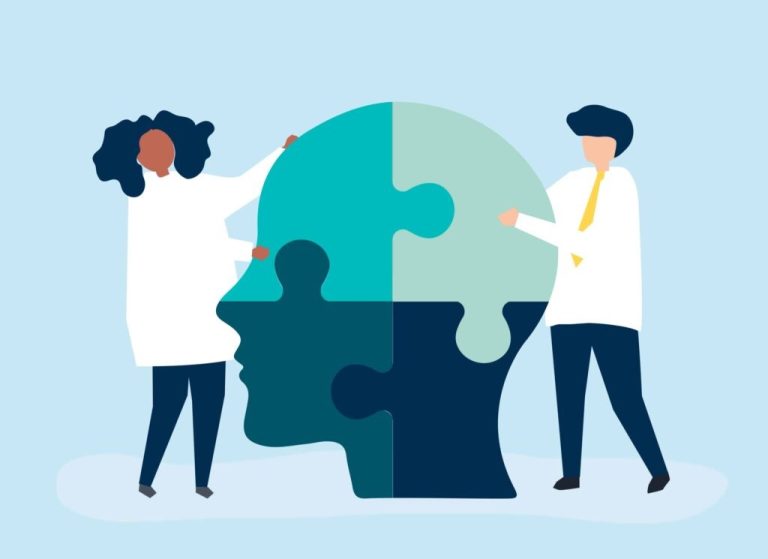
Dual diagnosis treatment addresses both concerns as part of a coordinated plan. The clinical team can evaluate symptoms and determine appropriate treatment. Furthermore, medications used for mental health conditions can interact with substances. Benzodiazepines, opioids, alcohol, and other central nervous system depressants can create serious safety concerns when combined. Therefore, all medications and substances should be disclosed to the treatment team. Open communication helps clinicians make safer treatment decisions.
Medication Options and Opioid Addiction Treatment
Medication can play an important role for some people with opioid use disorder. SAMHSA lists medications such as buprenorphine, methadone, and naltrexone as treatment options for opioid use disorder. Buprenorphine and methadone can help reduce withdrawal symptoms and cravings. Naltrexone works differently by blocking opioid effects. The appropriate option depends on the person’s health, substance use history, treatment goals, and clinical assessment.
Medication does not replace counseling or recovery support. Instead, it can become one part of a broader treatment plan. SAMHSA describes combining medication with counseling and behavioral therapies as a whole-patient approach to substance use disorder treatment. Prescription stimulant addiction requires a different approach. Currently, there is no FDA-approved medication specifically for stimulant use disorder. Behavioral treatments remain an important part of care. Therefore, treatment should always be based on the substance involved rather than a generic addiction model.
Choosing the Right Level of Care
Not everyone needs the same treatment setting. Some people may benefit from outpatient services, while others may require residential treatment. Residential care provides a structured environment away from many everyday triggers. It can be useful for people who need closer support, have a difficult home environment, or have struggled with previous treatment attempts. Outpatient treatment allows a person to continue living at home while attending scheduled therapy and medical appointments. This approach may work well for people who have stable support and do not require round-the-clock care.
There are also levels between traditional outpatient and residential treatment. Intensive outpatient programs and partial hospitalization programs can provide more structured support while allowing greater independence. A professional assessment should guide this decision. Cost or convenience alone should not determine the level of care.
How Aftercare Supports Long-Term Recovery
Completing a treatment program is an important step, but recovery continues after discharge. Therefore, a good treatment plan should include aftercare. Aftercare may include individual therapy, support groups, medication management, outpatient treatment, family support, and recovery coaching. The exact plan should match the person’s needs.
Relapse can happen during recovery. However, it does not mean that treatment has failed. Instead, it may show that the treatment plan needs adjustment. NIDA notes that multiple courses of treatment may sometimes be needed for full recovery. A continuing care plan can help people recognize warning signs early. It can also provide support during stressful periods.
Creating a Supportive Recovery Environment
The home environment can influence recovery. Therefore, families can help by creating clear boundaries and reducing exposure to unnecessary triggers. Support does not mean controlling every part of another person’s life. Instead, healthy support can include listening, encouraging treatment attendance, helping with appointments, and maintaining respectful communication.
Family members should also learn about addiction. Understanding the condition can reduce blame and stigma. It can also help families respond more effectively when challenges arise. Recovery can take time. As a result, patience and consistency matter.
When to Seek Professional Help
Some warning signs should not be ignored. These may include taking medication more often than prescribed, increasing doses without medical advice, obtaining medication from several sources, hiding medication use, experiencing strong cravings, or continuing use despite physical, emotional, or relationship problems. An overdose is an emergency. Prescription opioids can cause fatal overdose, particularly when misused or combined with other substances. SAMHSA recommends calling 911 and using naloxone or nalmefene when an opioid overdose is suspected and these reversal medicines are available.
People do not need to wait for a crisis before asking for help. A healthcare professional, addiction specialist, or treatment provider can help determine the next appropriate step.
Moving Toward a Healthier Recovery
Effective Prescription Drug Rehab goes beyond simply stopping medication. It addresses the physical, emotional, and behavioral factors connected to addiction. Depending on the person, care may involve withdrawal management, therapy, medication, mental health treatment, family support, and aftercare. Most importantly, treatment should be personalized. The type of prescription drug, severity of use, medical history, mental health, and recovery environment all matter.
Prescription drug addiction is treatable, and seeking help is a practical step toward better health. A qualified professional can assess the situation and explain the available treatment options. For people who need support, SAMHSA also provides treatment resources through FindTreatment.gov. Recovery does not have to happen in one step. With appropriate clinical care, ongoing support, and a plan that fits the person’s needs, people can work toward healthier routines and a more stable future.